
Drone Surveying - Essential Guide for Modern Mapping
The Evolution of Drone Surveying: From Experiment to Essential

Remember those days when surveying a site meant weeks of painstaking fieldwork? Long hours spent taking measurements, followed by even more time crunching numbers. This traditional method, while effective, was notoriously slow and expensive. Thankfully, things have changed dramatically with the arrival of drone surveying.
This modern approach is revolutionizing how industries collect data and create maps, offering levels of speed and precision previously unimaginable.
Key Technological Advancements
The rise of drone surveying wouldn't have been possible without some significant technological leaps. The development and integration of Real-Time Kinematic (RTK) and Post-Processed Kinematic (PPK) GPS systems have been critical. These systems allow for centimeter-level precision, making drones a serious competitor to traditional surveying tools.
Improvements in battery technology have also played a crucial role. Longer flight times mean drones can cover more ground in a single flight, significantly reducing data collection time. And finally, high-resolution cameras and specialized sensors like LiDAR have further enhanced data quality and detail.
Regulatory Landscape and Growth
As drone technology advanced, so did the need for clear regulations. Organizations like the U.S. Federal Aviation Administration (FAA) stepped in to create guidelines for commercial drone operations. These regulations helped to legitimize the industry, building trust and promoting broader adoption.
A key moment in this evolution came in 2006 when the FAA authorized the use of Unmanned Aerial Vehicles (UAVs) in civilian airspace following Hurricane Katrina, largely for search and rescue. This early example of civilian drone use paved the way for future applications, including surveying. By 2015, the FAA had issued approximately 1,000 commercial drone permits. That number tripled the following year, underscoring the industry's rapid growth. Explore this topic further.
The Modern Era of Drone Surveying
Drone surveying has evolved from a niche experiment to a mainstream necessity. It's now an indispensable tool across various sectors. The ability to quickly map large areas, create high-resolution 3D models, and access hard-to-reach locations has been transformative.
Organizations can now gather crucial data faster and more efficiently than ever before. This leads to better-informed decisions, improved safety practices, and optimized resource allocation – all thanks to the power of drone surveying.
The Technology Powering Your Drone Surveying Success

Drone surveying transforms aerial data into accurate maps and models. This intricate process blends hardware and software seamlessly, going far beyond simply taking pictures.
Photogrammetry: Stitching Images Into 3D Reality
Photogrammetry is a core drone surveying technology. It involves capturing multiple overlapping images of a site from various angles. Specialized software analyzes these images, identifying common points to create a 3D model. Think of it as a large-scale, three-dimensional panorama.
Drone-based photogrammetry became increasingly popular after 2013 and by 2017 became a staple in numerous industries. This method uses overlapping drone photographs to generate precise maps and 3D models. You can learn more about the history of photogrammetry and drones here.
LiDAR: Unveiling Hidden Details
LiDAR (Light Detection and Ranging) is another key technology. It uses laser pulses to measure distances, producing a dense "point cloud" of the surveyed area. LiDAR excels at penetrating vegetation, making it ideal for mapping terrain hidden by foliage. It’s like having x-ray vision for surveys.
Essential Components of a Professional Drone Surveying System
Successful drone surveying requires a robust system of integrated components. These ensure data accuracy and reliability.
- RTK/PPK GPS: These systems offer centimeter-level accuracy vital for precise measurements. This accuracy is essential for professional work.
- High-Resolution Cameras: Specialized cameras capture the detailed images needed for photogrammetry. Higher resolution means a more detailed final product.
- Specialized Sensors: Sensors like LiDAR or multispectral cameras gather specific data based on the survey’s goals, expanding the range of applications.
- Processing Software: This software transforms the gathered data into usable maps, models, and reports. For more information on drone mapping software, check out this article: How to master drone mapping software.
To help choose the right technology for your project, let's compare the two main technologies:
To help you understand the differences and choose the right technology, refer to the comparison table below:
Drone Surveying Technologies Comparison This table compares the key drone surveying technologies based on accuracy, cost, and best applications.
| Technology | Typical Accuracy | Equipment Cost Range | Best Applications | Limitations |
|---|---|---|---|---|
| Photogrammetry | 1-3 cm | $1,000 - $10,000 | Surface mapping, topographic surveys, volume calculations | Limited vegetation penetration, dependent on lighting conditions |
| LiDAR | <1 cm | $10,000 - $100,000+ | Terrain mapping, forestry, powerline inspections | Higher cost, larger data sets |
The table highlights the strengths and weaknesses of each technology, enabling informed decision-making. Photogrammetry offers cost-effectiveness but struggles with dense vegetation. LiDAR provides exceptional detail but comes at a higher cost.
Choosing The Right Technology For Your Needs
Selecting between photogrammetry and LiDAR depends on your project’s needs. Photogrammetry is often favored for its lower cost and ease of use. LiDAR, while more expensive, provides superior detail and is essential for projects requiring vegetation penetration. Carefully considering these factors ensures you have the right tools for the job.
Why Teams Are Switching to Drone Surveying (And Winning)

Drone surveying is rapidly becoming the standard. It's not just a passing fad, but a significant change fueled by real, measurable advantages. Companies using drones for surveying are seeing substantial improvements across the board.
Efficiency Gains: Time Is Money
Traditional surveying methods are notoriously slow. They often involve large teams and extensive time in the field. Drone surveying dramatically cuts down on this time investment. Some teams report a 70-80% reduction in data collection time compared to traditional methods.
This time savings translates directly to faster project turnaround and considerable cost reductions. Increased speed also means more projects can be completed within the same timeframe, significantly boosting overall productivity.
Enhanced Safety: Protecting Your Team
Safety should always be a top priority. Drone surveying minimizes the need to put surveyors in dangerous situations, especially in hazardous locations. Consider the risks involved in surveying unstable slopes, industrial sites, or confined spaces.
Drones can handle these tasks with ease, practically eliminating the risk of accidents. This enhanced safety profile leads to lower insurance premiums and provides peace of mind for project managers.
Superior Data Quality: The Devil Is In the Details
Drone surveying provides exceptionally detailed data, often 5-10x denser than what's possible with conventional methods. This high-density data creates incredibly precise surface models, capturing features that were previously undetectable.
Imagine the ability to identify tiny cracks in a bridge or subtle shifts in a mine's topography. This level of detail allows for more accurate analyses, improved planning, and informed decisions.
From Snapshots to Continuous Intelligence
Traditional surveying methods often rely on intermittent site visits, offering only a snapshot in time. Drone surveying allows for more frequent data collection, facilitating continuous monitoring and providing near real-time insights into site changes.
This transforms site monitoring from a reactive to a proactive process. Teams can anticipate potential problems and respond more effectively to changing conditions. This constant data flow also enables more precise project tracking and early identification of deviations from the plan, resulting in better project management and additional cost savings.
Winning With Drone Surveying: A Competitive Edge
The combined advantages of increased efficiency, improved safety, and superior data quality offer companies a distinct competitive edge. The capacity to finish projects faster, safer, and with greater precision is incredibly valuable.
Drone surveying allows businesses to make informed decisions, optimize resources, and achieve greater overall success. By adopting drone surveying, businesses position themselves for lasting growth and sustainability within their industries. It's not just about enhancing individual projects; it's about changing how entire industries operate.
Drone Surveying Mastery Across Key Industries

Drone surveying offers a range of applications across various industries, each benefiting in unique ways. Let's delve into how drone surveying is changing workflows and delivering significant results in key sectors.
Construction: Building The Future With Drone Data
Drone surveying is transforming the construction industry, offering essential data throughout a project's lifecycle. Project managers utilize drone-derived models to pinpoint design clashes an average of 3 weeks earlier compared to traditional methods. This early identification avoids costly rework and ensures projects stay on schedule. Moreover, drone surveying has significantly reduced earthwork measurement time by a remarkable 85%.
This enhanced efficiency translates to substantial cost savings and facilitates more precise progress tracking. Construction sites, often dynamic and intricate, benefit from frequent and rapid surveying, providing current data for informed decision-making.
Mining: Extracting Value Safely and Efficiently
Mining operations frequently involve hazardous conditions and expansive areas. Drone surveying presents a safer option compared to conventional surveying, particularly for stockpile measurements. Drones can complete these measurements 93% faster, while simultaneously improving volume accuracy by 20%.
This improved accuracy allows for optimized inventory control and minimizes material waste. The ability to survey high-risk zones without endangering personnel is a major advantage, promoting a safer work environment.
Agriculture: Cultivating Precision and Sustainability
Precision agriculture is rapidly evolving, with drone surveying playing a vital role. By generating accurate field maps, agricultural professionals can optimize irrigation, resulting in a 30% reduction in water consumption. This conserves valuable resources and lowers operational expenses. Learn more in our article about How drones are used in agriculture. Additionally, precise mapping aids in detecting and addressing problem areas, ultimately improving yields.
This targeted strategy ensures resources are utilized effectively, enhancing crop health and maximizing productivity. This data-driven methodology is crucial for sustainable farming practices and increased profitability.
Infrastructure: Inspecting With Unprecedented Detail
Inspecting infrastructure, such as bridges, traditionally required lane closures, specialized equipment, and presented inherent dangers. Drone surveying eliminates traffic disruption and collects data with 5x more detail. This enhanced detail enables detection of even minor flaws, facilitating timely repairs and averting potential failures.
The ability to conduct inspections more frequently and thoroughly enhances the lifespan and safety of vital infrastructure. This approach also avoids the costs and interruptions associated with traditional methods.
The following table summarizes the key applications, benefits, and challenges of drone surveying across various industries, along with typical ROI timelines:
Drone Surveying Applications by Industry This table outlines the primary use cases, key benefits, and typical ROI timeframes for drone surveying across major industries.
| Industry | Primary Applications | Key Benefits | Implementation Challenges | Typical ROI Timeline |
|---|---|---|---|---|
| Construction | Site surveys, progress monitoring, volume calculations | Reduced rework, improved scheduling, cost savings | Data processing, software integration | 6-12 months |
| Mining | Stockpile measurement, safety inspections, terrain mapping | Improved safety, increased efficiency, better inventory management | Regulatory compliance, data security | 3-6 months |
| Agriculture | Crop monitoring, precision mapping, irrigation management | Optimized resource use, increased yields, reduced water consumption | Data analysis expertise, weather dependency | 1-2 growing seasons |
| Infrastructure | Bridge inspections, power line surveys, pipeline monitoring | Enhanced safety, detailed data capture, reduced disruption | Data interpretation, regulatory hurdles | 12-24 months |
This table illustrates the diverse applications and benefits of drone surveying across industries. While implementation challenges exist, the potential for significant ROI is evident across all sectors. The move towards drone surveying underscores a growing emphasis on safety, efficiency, and informed decision-making.
Building Your Drone Surveying Program That Actually Works
Ready to implement drone surveying? This practical roadmap guides you through establishing a program that delivers tangible results from the very beginning. We'll cover the essential steps, from regulatory compliance and choosing the right equipment to implementing efficient workflows and managing your data effectively.
Navigating the Regulatory Landscape
A successful drone surveying program begins with understanding and adhering to the relevant regulations. This involves securing the correct licensing, understanding airspace restrictions, and keeping detailed compliance documentation. These requirements are fundamental for safe and legal operations, but they shouldn't deter you. A systematic approach to this process ensures smooth and compliant operations right from the start.
Selecting the Right Equipment for the Job
Choosing the correct equipment is crucial. This means carefully selecting drone platforms, sensors, and processing software that align with your specific requirements. Consider factors like the required accuracy, the terrain you'll be surveying, and the final deliverables you need. For example, surveying a construction site may require a different drone and sensor configuration than a large-scale agricultural survey. A well-defined needs assessment will simplify equipment selection and prevent unnecessary costs.
Establishing Efficient Workflows
Efficient workflows form the foundation of a successful drone surveying program. This involves minimizing field time while maximizing data quality. Pre-flight planning, accurate flight execution, and streamlined data transfer procedures are vital. Think of the process as an assembly line: each step must be optimized for speed and accuracy to achieve the desired results.
Addressing Common Challenges
Drone surveying presents some inherent challenges. Weather limitations, battery management, and data storage are common obstacles. However, by anticipating these challenges, you can implement proactive solutions. For example, having extra batteries and a robust charging strategy reduces downtime. Likewise, investing in adequate data storage capacity prevents bottlenecks and safeguards data integrity.
Data Management and Analysis
Effective management and analysis are critical once you've acquired your data. This entails selecting appropriate software to process and interpret the information. Transforming raw data into actionable insights is where the true value of drone surveying lies. This might involve creating precise maps, generating 3D models, or producing reports to guide critical decisions. You might be interested in: How to start your first drone business.
Continuous Improvement and Adaptation
The field of drone surveying is continuously evolving. Remaining up-to-date on the latest technologies and best practices is crucial to stay competitive. Regularly evaluate your program, seek feedback from your team, and adapt to industry changes to ensure your drone surveying program stays effective and delivers consistent results. This commitment to ongoing learning and refinement will position you as a leader in the field.
The Future of Drone Surveying (And How to Stay Ahead)
The drone surveying industry is constantly changing and pushing the limits of what's achievable. To stay competitive, you need to know the latest developments. This section explores key advancements shaping the future of drone surveying and offers insights on how to prepare for these changes.
AI and Machine Learning: Automating Data Analysis
Artificial intelligence (AI) and machine learning are transforming how drone data is processed and analyzed. Automated feature extraction significantly reduces manual data interpretation time. Studies show AI-powered software can reduce analysis time by up to 70%. This faster project completion allows teams to handle more work and boost overall efficiency.
Change detection algorithms are also becoming more popular. These algorithms can automatically spot critical site changes in minutes, compared to days with manual analysis. This speed is essential for projects needing quick responses, like post-disaster assessments or monitoring rapidly changing construction sites.
BIM and Digital Twins: Integrating Drone Data Into Project Lifecycles
Integrating drone data with Building Information Modeling (BIM) and digital twins is another significant trend. By seamlessly incorporating drone-captured data into these platforms, organizations gain a more comprehensive and dynamic project understanding. Real-world cases show a 35% reduction in rework using this combination.
This integration streamlines workflows and facilitates better decision-making throughout a project's lifecycle. Imagine a constantly updated digital replica of a construction site with the latest drone survey data. This allows for accurate progress tracking, early problem identification, and improved collaboration among stakeholders.
Advancing Drone Autonomy and Sensor Technology
Advances in drone autonomy are expanding the potential of drone surveying. Beyond visual line of sight (BVLOS) operations are becoming more common, allowing drones to cover larger areas and access previously unreachable locations. This creates new opportunities for surveying extensive or remote areas with minimal human involvement.
At the same time, sensor miniaturization enables the development of multi-sensor packages. Drones can now capture diverse data types in one flight, including visual, thermal, and LiDAR data. This rich dataset provides a more holistic view of the surveyed area, leading to deeper analysis and richer insights.
Staying Ahead: Embracing the Future of Drone Surveying
The future of drone surveying is promising, offering increased efficiency, safety, and valuable insights. Businesses can unlock the full potential of drone technology by staying informed about these advancements and adapting to these changes. This involves investing in training, adopting new software, and embracing innovative workflows. The benefits are clear: better project results, a competitive edge, and a more sustainable approach to surveying and mapping. It's not just about keeping pace; it's about leading the way in this exciting field.
Ready to elevate your drone operations and experience the future of drone surveying? Dronedesk offers a comprehensive platform to manage your entire drone program, incorporating many of the discussed advancements. From flight planning and data management to team collaboration and compliance reporting, Dronedesk helps you operate more efficiently, safely, and profitably. Visit Dronedesk today to learn more and start your free trial.
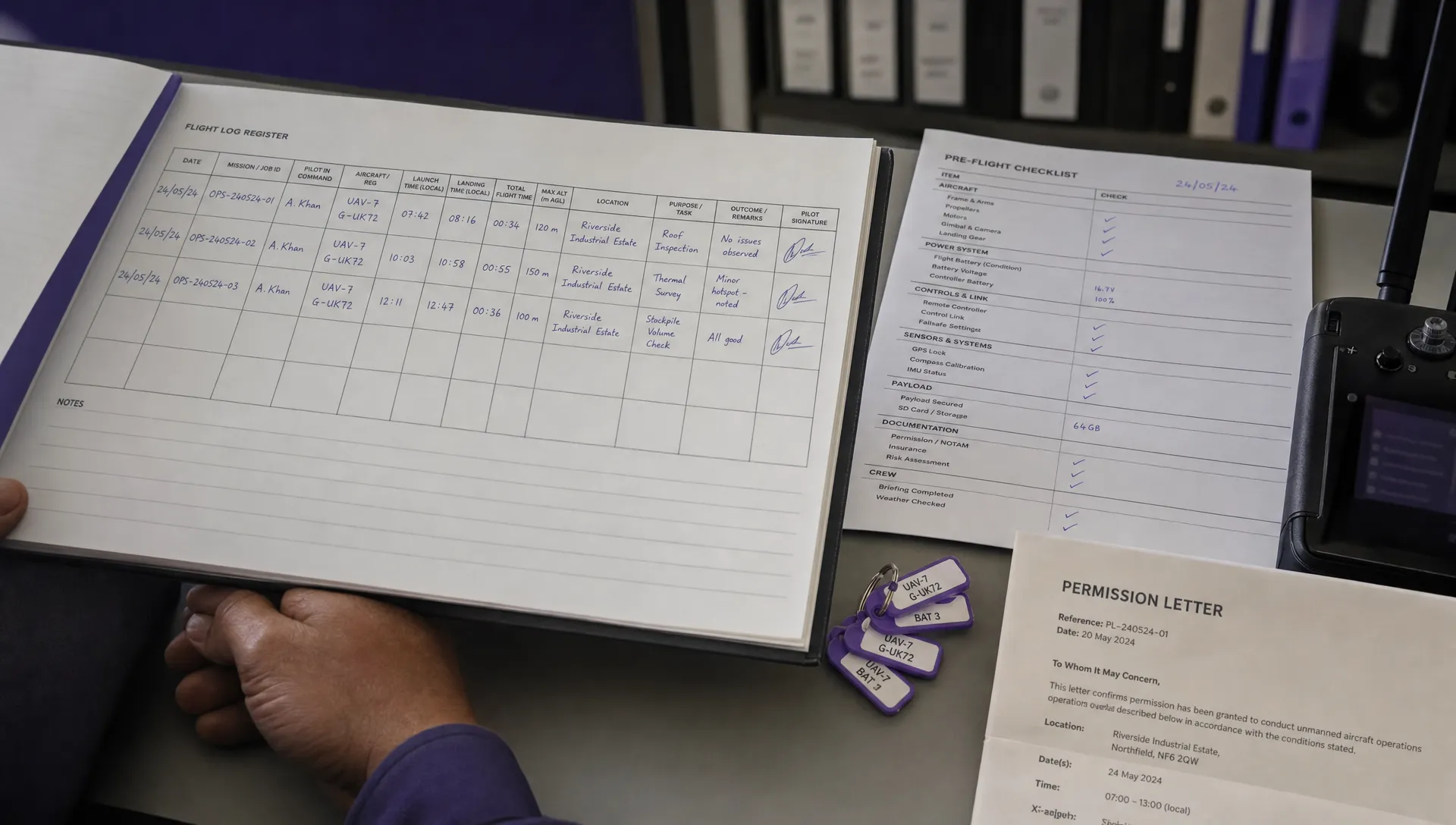 How to Build a Drone Pilot Flight Log That Is Audit Ready →
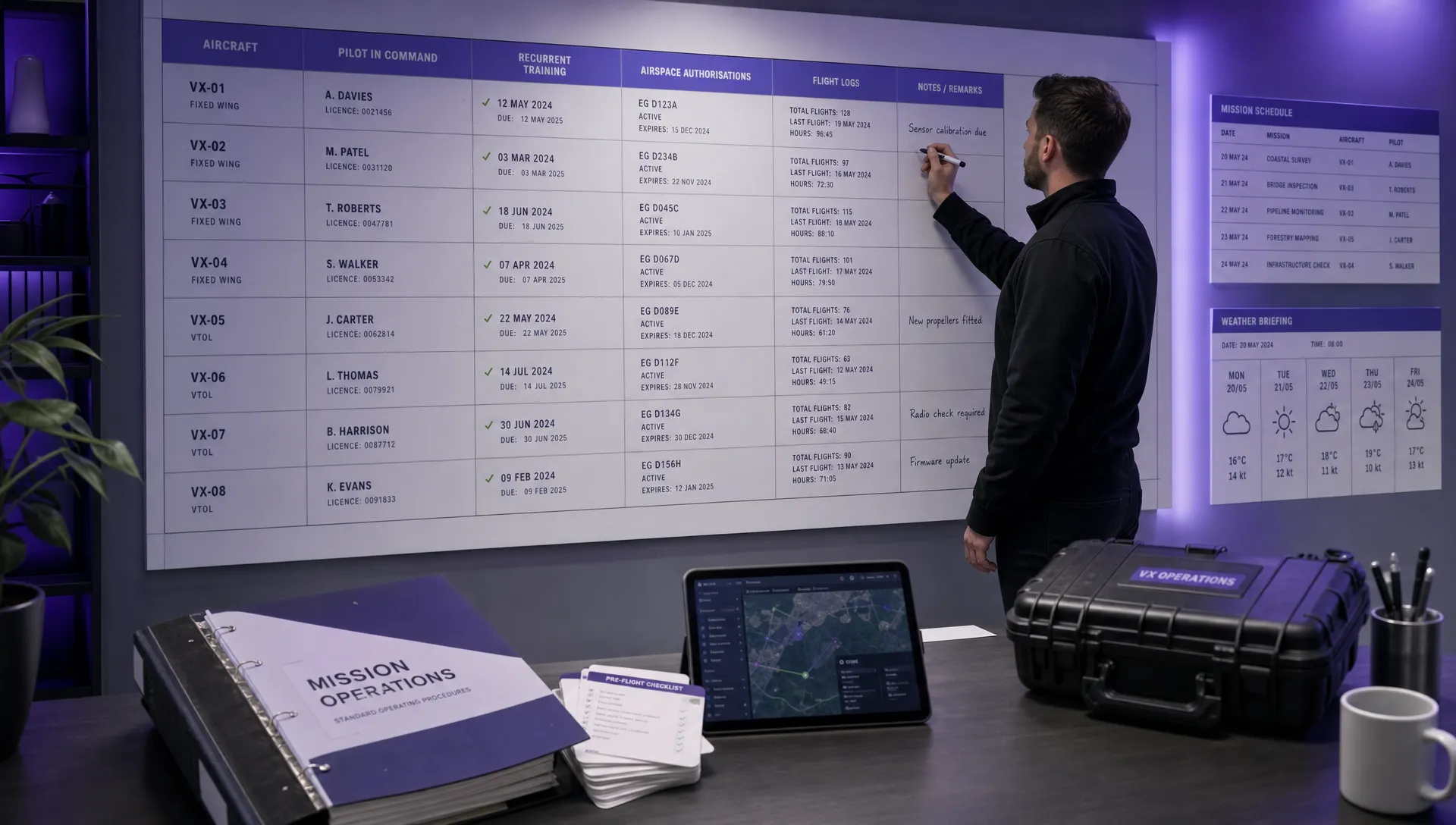 FAA Drone Licence Requirements for Commercial Pilots →
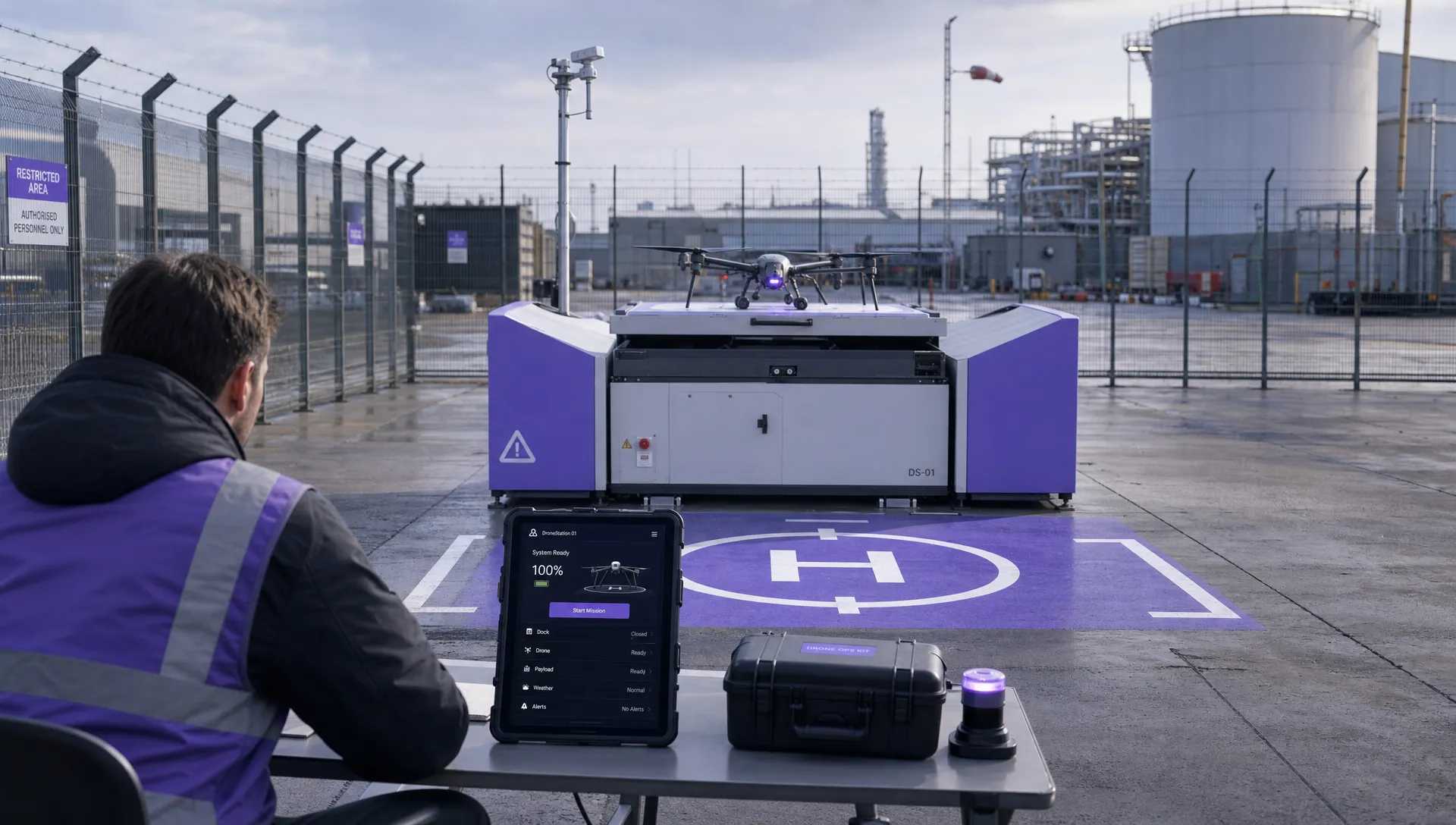 FAA BVLOS Waivers Granted: What Successful Cases Show →
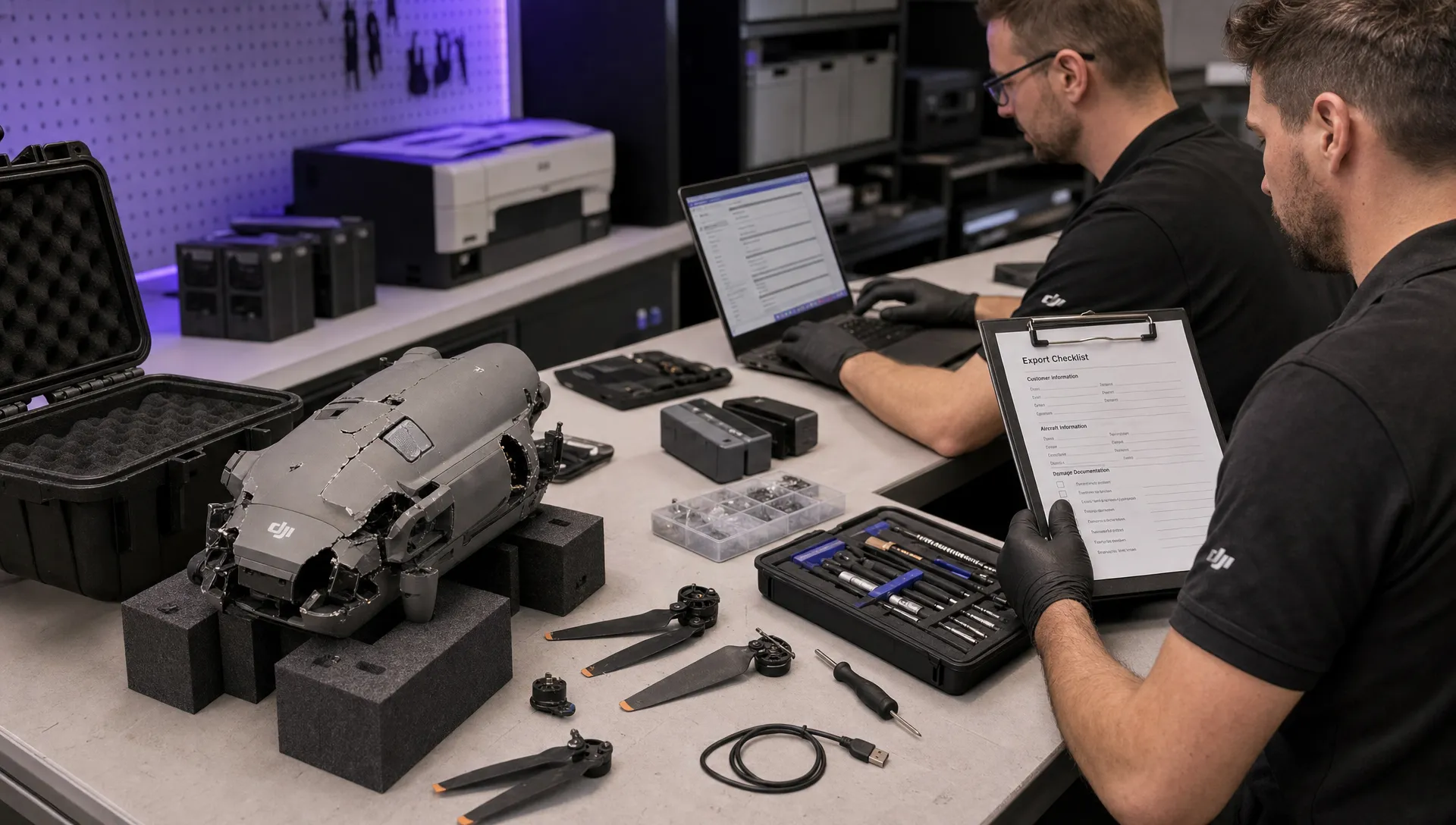 How to Export DJI Flight Logs for Incident Reviews →
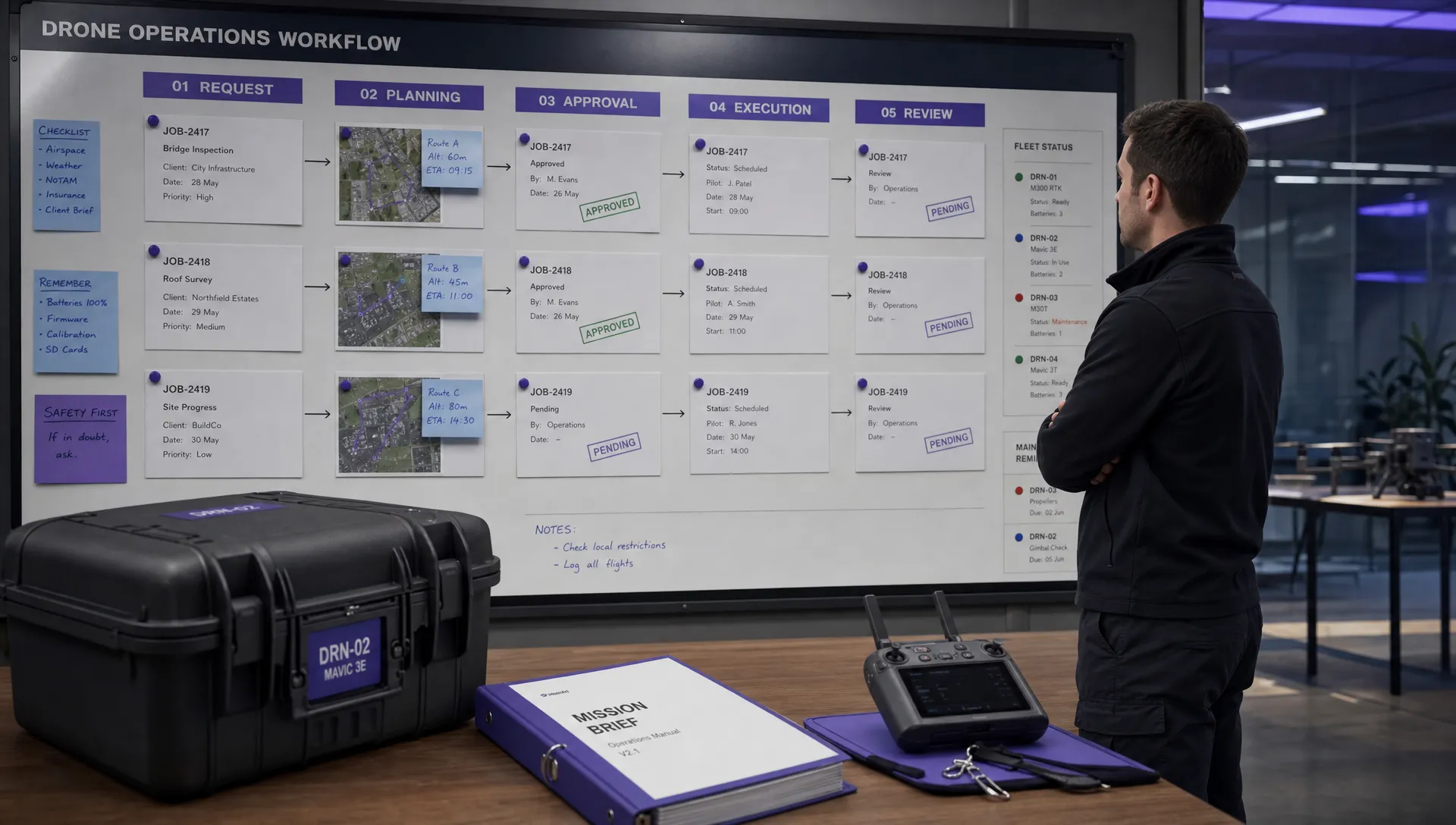 Drone Safety and Legal Duties for Business Operations →
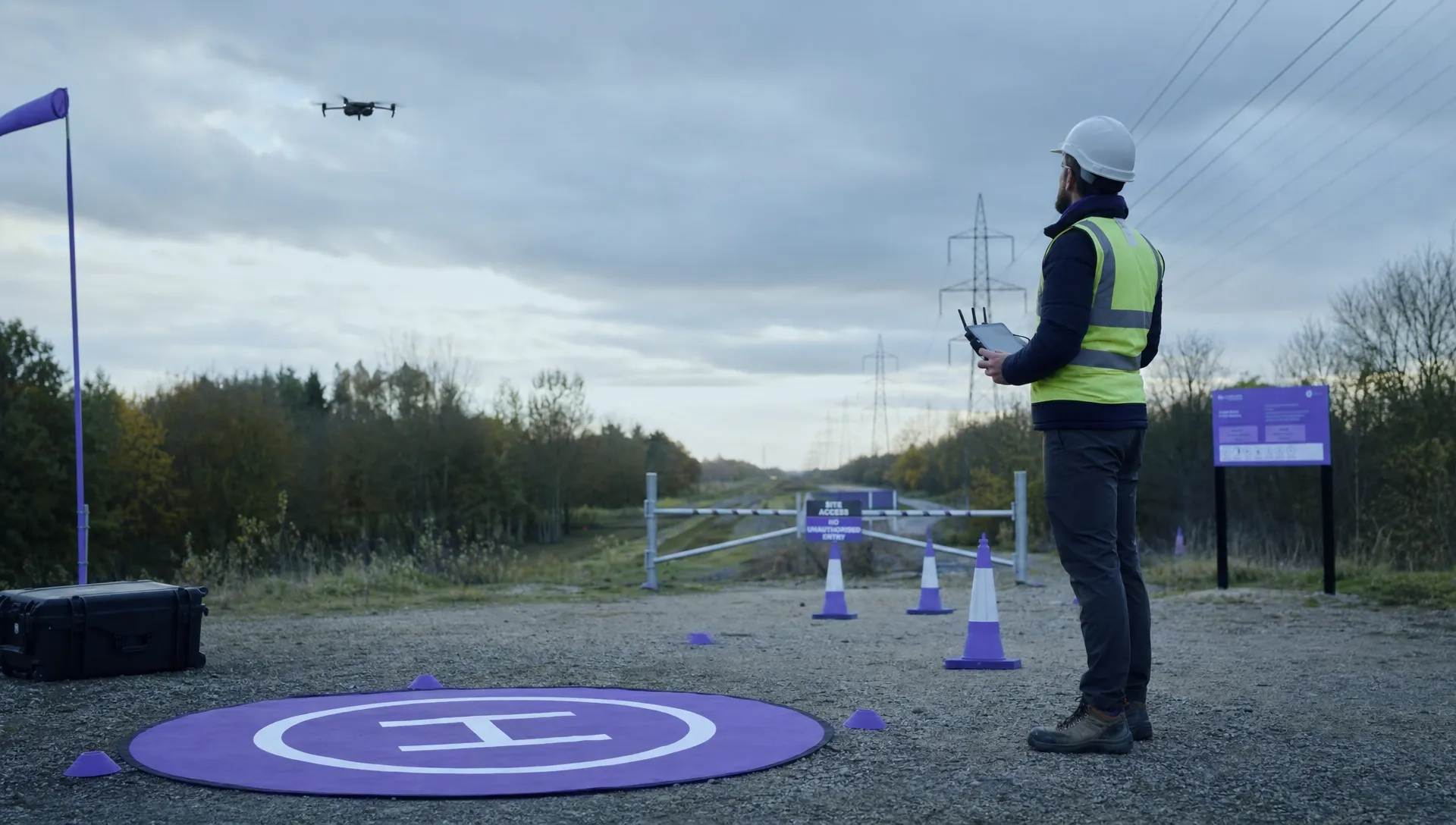 EASA Drone Regulations: Open, Specific and Certified Categories →
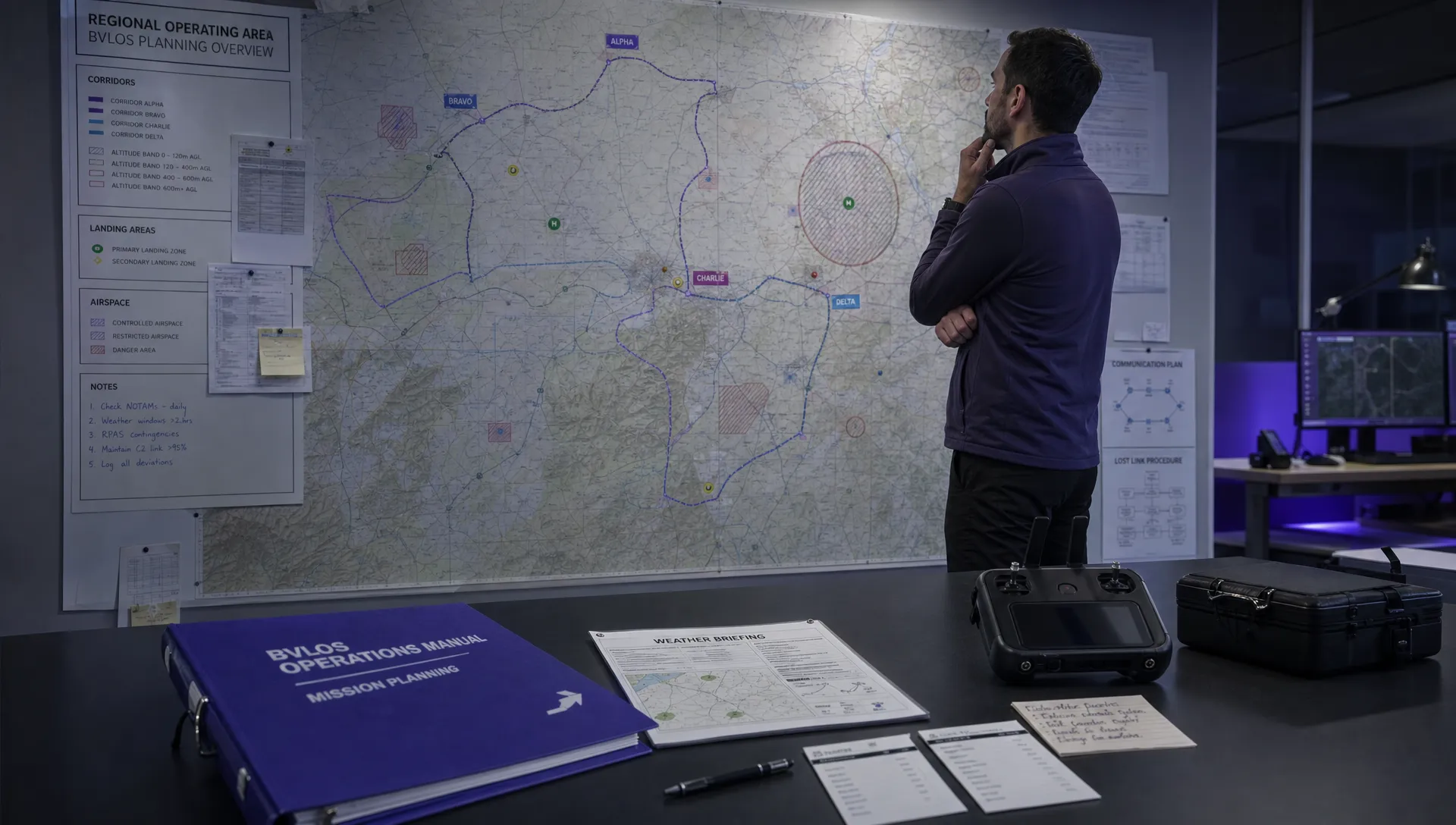 What the BVLOS ARC Report Means for UAS Operators →
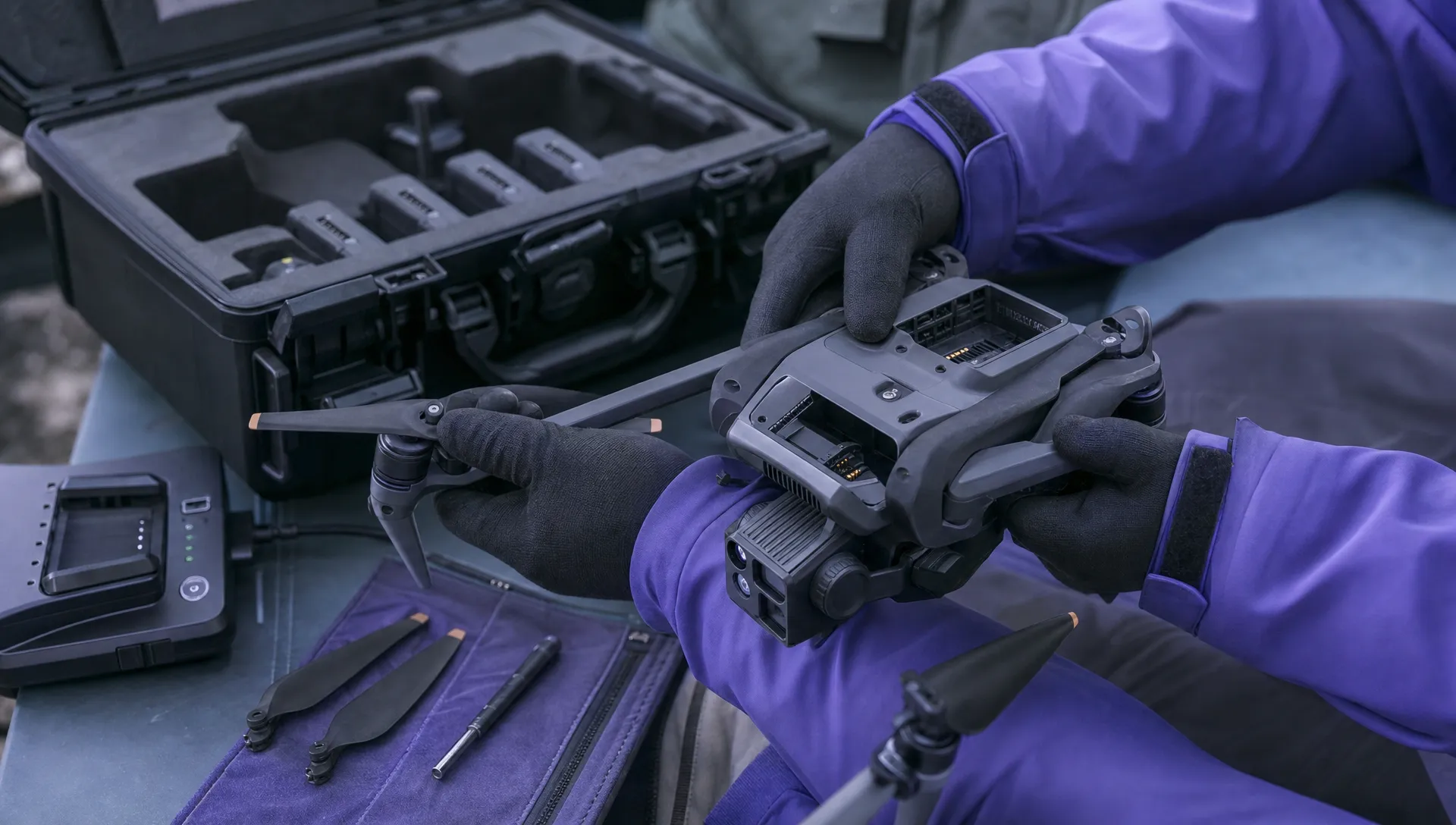 Free Drone Pre-Flight Checklist for Commercial Missions →
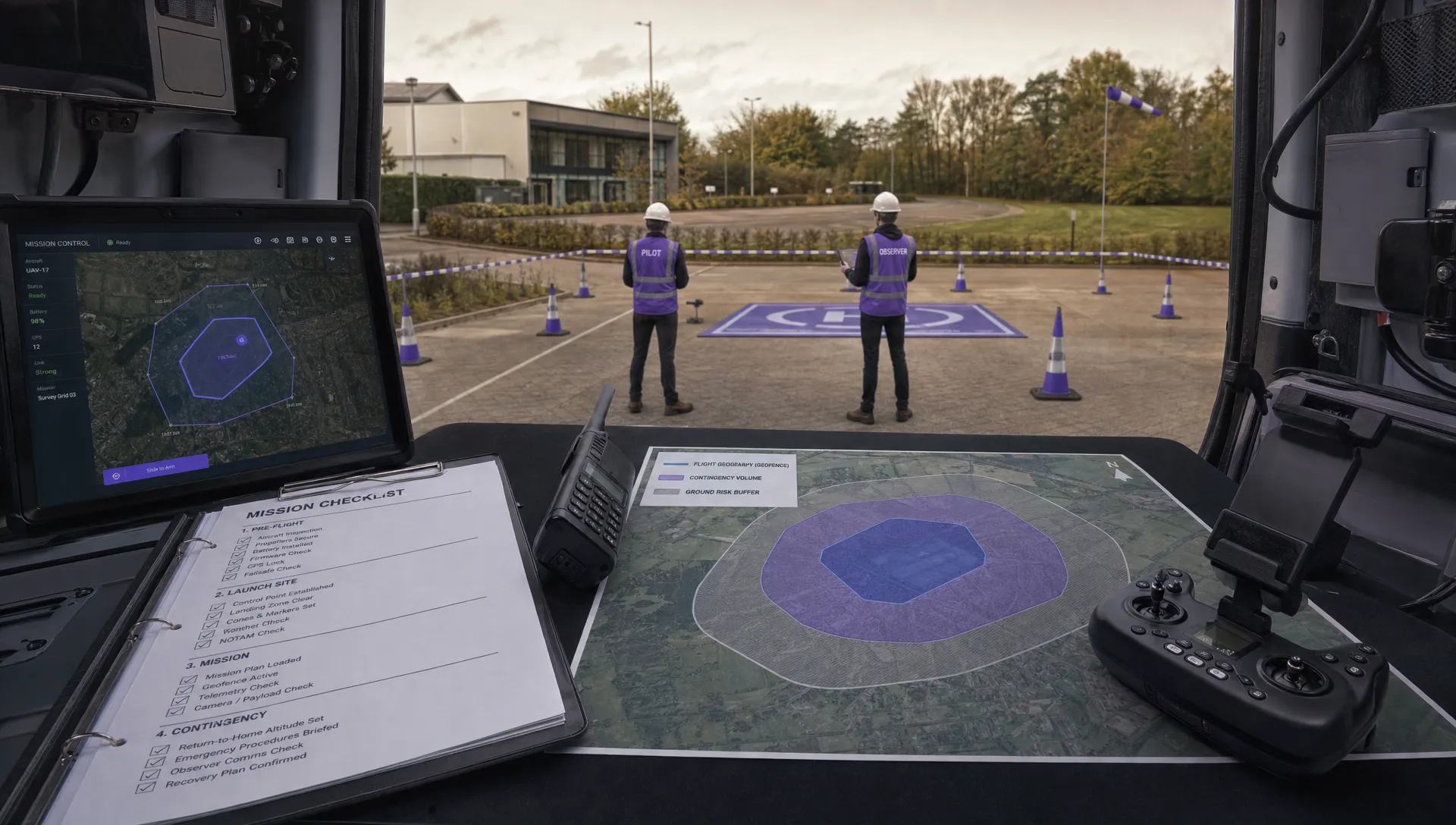 Contingency Volume and Flight Risk Buffer Explained →
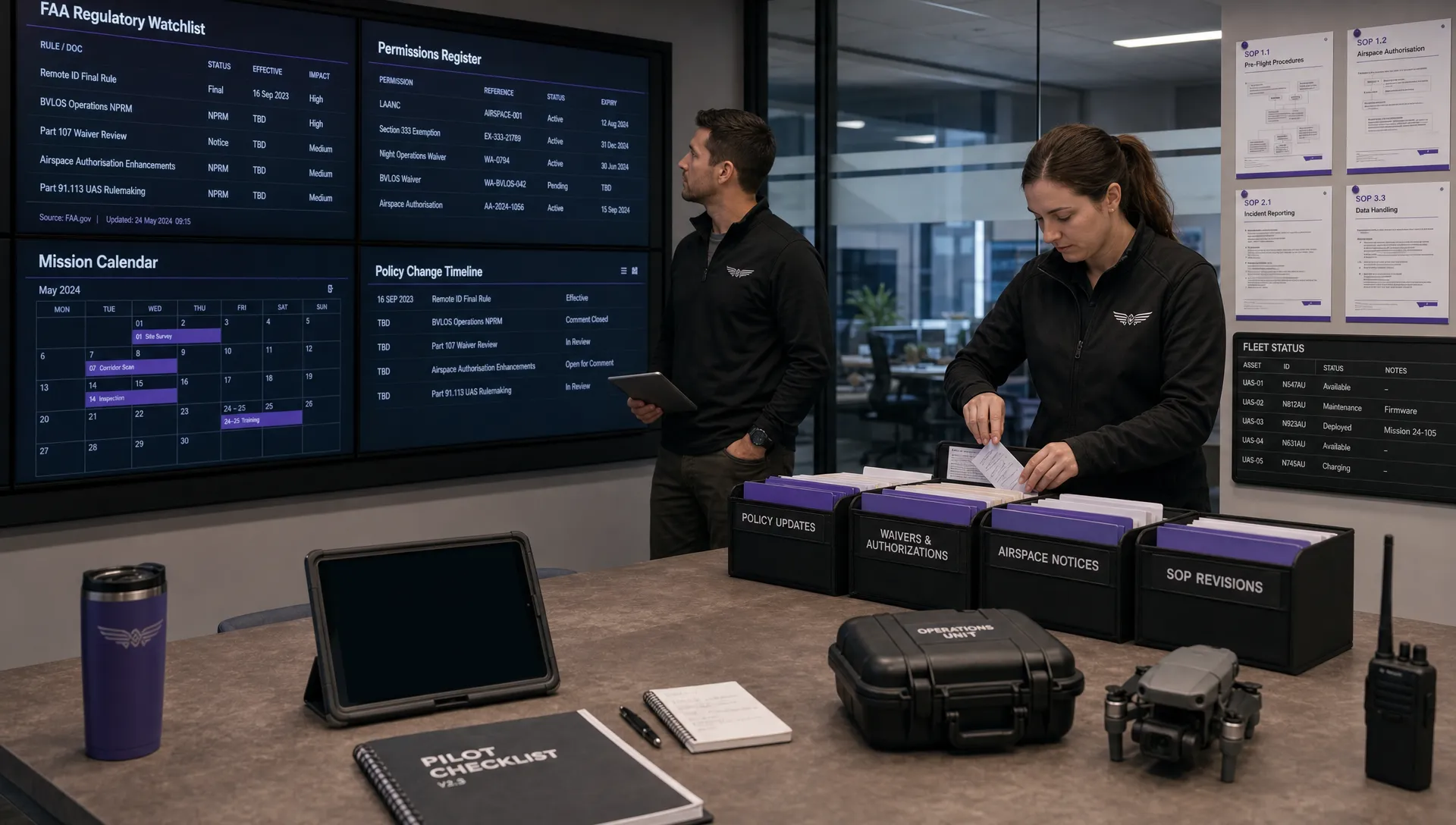 FAA Policy Changes That Commercial Drone Teams Should Track →