
Drone Laws and Regulations Every Team Should Review
Drone compliance is not something a chief pilot can review once a year and then file away. For commercial operators, survey teams, utility inspection crews and emergency services, drone laws and regulations affect who can fly, where they can fly, what records must be kept, how data is handled and what evidence is needed after an incident.
In the UK, the Civil Aviation Authority (CAA) remains the primary source for aviation rules. Teams should treat the CAA drones guidance and the Drone and Model Aircraft Code as living references, not onboarding documents. Regulations, operating permissions, airspace restrictions, insurance conditions and client requirements can all change faster than internal procedures.
This guide is not legal advice. It is a practical review framework for teams that need to keep drone operations safe, compliant and auditable in 2026.
Start with the legal roles in your drone operation
Before reviewing specific rules, make sure everyone understands their role. In most professional drone programmes, the organisation or individual responsible for managing the operation is the UAS operator, while the person physically controlling the aircraft is the remote pilot. In small businesses, the same person may hold both responsibilities. In larger teams, they are often separate.
That distinction matters because compliance duties are not limited to the person holding the controller. Your organisation may be responsible for registration, authorisations, maintenance processes, pilot competency, risk assessments, operational records, privacy controls and incident reporting. A remote pilot may be responsible for safe conduct of the flight, pre-flight checks, airspace awareness and following approved procedures.
A useful first review question is simple: if the CAA, a client, the police or an insurer asked for evidence tomorrow, who in your team would provide it?
Review your operating category and authorisations
Most UK drone operations fall into one of three regulatory categories: Open, Specific or Certified. The category determines how much operational freedom you have, what competency is required and whether you need CAA authorisation.
The Open category is intended for lower-risk flights that meet defined limits. Many commercial tasks do not automatically require a higher category, but teams must be careful not to assume that “small drone” means “simple compliance”. Distance from people, aircraft weight, location, airspace, privacy and the nature of the task all matter.
The Specific category applies when the operation presents a higher risk or does not fit within Open category limits. Many professional use cases, such as complex industrial inspections, operations near people, controlled environments, extended visual line of sight or other higher-risk profiles, may require an Operational Authorisation. The CAA’s CAP 722 guidance is the key UK reference for unmanned aircraft system operations.
The Certified category is for the highest-risk operations and is still relatively limited in day-to-day commercial drone work. However, teams exploring advanced operations, such as routine carriage of goods in complex environments or passenger-carrying concepts, should monitor how this area develops.
| Review area | What the team should confirm | Why it matters |
|---|---|---|
| Operating category | Whether each job type fits Open, Specific or Certified | Prevents teams from using the wrong procedures |
| Authorisation status | Whether any Operational Authorisation is current and understood | Avoids flying outside approved conditions |
| Pilot competency | Whether pilots hold the right training evidence for the mission | Supports legal and insurer requirements |
| Aircraft eligibility | Whether aircraft, payloads and configurations match the intended category | Prevents assumptions based on outdated specs |
| Operational limits | Distances, heights, VLOS requirements and local constraints | Keeps planning aligned with legal boundaries |
A good compliance review does not just ask “are we authorised?” It asks “are our daily operations still aligned with the authorisation we actually hold?”
Check registration, operator IDs and pilot competency
Registration requirements are easy to overlook when teams grow, aircraft are replaced or contractors are brought in. In the UK, many drones require an Operator ID, and many remote pilots need a Flyer ID or formal competency depending on the aircraft and operation. Requirements can differ depending on weight, camera capability, use case and operational category, so teams should confirm the latest CAA position rather than relying on memory.
For commercial teams, the practical issue is evidence. If a survey company sends three pilots to different sites, or a utility operator deploys contractors during peak inspection season, the organisation should know whose credentials are valid, when they expire and which aircraft or job types they are approved to fly.
Emergency services face an additional challenge. They may need rapid deployment under pressure, sometimes at night or around other responding agencies. Urgency does not remove the need for clear procedures. Any special permissions, exemptions, internal command structures or inter-agency protocols should be reviewed before they are needed operationally.
Reassess airspace rules before every job
Airspace compliance is one of the most visible parts of drone regulation, but it is also one of the most dynamic. A site that was straightforward last month may be affected today by a temporary restriction, emergency activity, a NOTAM, an aerodrome flight restriction zone, a prison, a military area, a stadium event or local byelaws.
Your team’s review should cover both strategic and tactical airspace planning. Strategic planning means understanding recurring constraints around the types of sites you serve. Tactical planning means checking the current status before the flight and again close to deployment.
For example, a utility inspection team may repeatedly work near substations, highways, rail corridors and power lines. A land survey team may operate over development sites close to towns, roads and industrial estates. A police, fire or search and rescue drone team may deploy into environments where other aircraft could enter the area at short notice.
Airspace review should include:
- Controlled airspace and aerodrome flight restriction zones
- NOTAMs and temporary restricted areas
- Nearby heliports, hospitals, military sites and prisons
- Local byelaws, landowner permissions and site access rules
- Emergency service aviation activity and deconfliction procedures
- Obstacles, terrain, wires, masts and cranes
This is where operational discipline matters. A screenshot of an airspace map is not a compliance system by itself. Teams should be able to show who checked the airspace, when it was checked, what sources were used, what permissions were obtained and how the pilot was briefed.
Keep privacy and data protection in the compliance review
Drone laws and regulations are not limited to aviation. If your aircraft captures images, video, thermal data, mapping outputs, number plates, faces, private land, security infrastructure or sensitive locations, privacy and data protection rules may apply.
In the UK, the Information Commissioner’s Office provides guidance on video surveillance and data protection. Drone teams should consider this alongside aviation compliance, especially when flying in residential, public, emergency or critical infrastructure environments.
A privacy review should answer practical questions. What data will be collected? Is it necessary for the task? Who will access it? How long will it be retained? How will it be transferred to the client? What happens if bystanders, homes or unrelated assets are captured? Has signage, notification or stakeholder communication been considered where appropriate?
For survey companies, privacy risks often arise from high-resolution imagery that captures more than the client’s site. For utilities, the issue may be sensitive infrastructure data. For emergency services, the operational need may be urgent, but governance still matters, particularly when footage could later be used for investigation, disclosure or public communication.
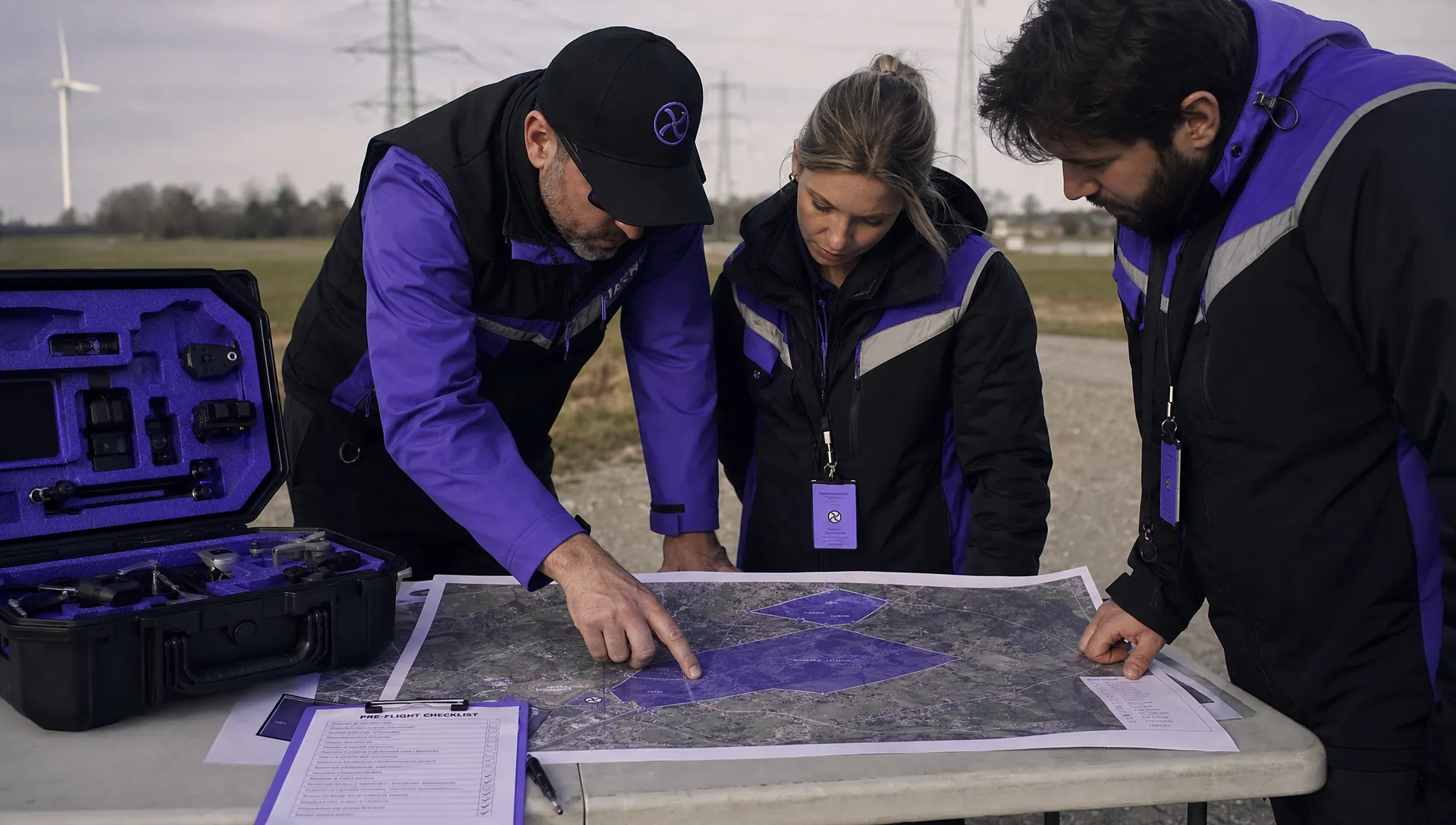
Review risk assessments as legal and operational evidence
A risk assessment is not just a formality. It is one of the strongest pieces of evidence that your team understood the hazards and took proportionate steps to manage them. For regulated operations, it can also be central to demonstrating that flights were conducted within approved procedures.
Your review should test whether risk assessments are specific enough to be useful. Generic statements such as “maintain VLOS” or “avoid people” may not be enough for complex work. A useful assessment identifies the actual hazards at the site, the people affected, the operational controls, the residual risk and the decision point for cancelling or changing the mission.
Teams should pay close attention to repeat tasks. Routine work can create complacency. A quarry survey, roof inspection, railway-adjacent mapping job or search deployment may feel familiar, but weather, access, people, temporary structures and airspace can change each time.
If your team wants a deeper operational structure, Dronedesk has a practical guide on building a drone flight risk assessment that works. The key principle is that risk assessment should support real decisions, not just satisfy a file requirement.
Confirm insurance, contracts and client-specific obligations
Aviation compliance and commercial compliance are connected. Many clients, particularly in utilities, construction, infrastructure, public sector and emergency services, will impose conditions that go beyond the baseline law. These may include minimum insurance levels, evidence of pilot competency, method statements, data handling controls, RAMS documentation, site inductions, cyber security requirements and reporting formats.
Insurance should be reviewed whenever your operation changes. New aircraft, heavier payloads, overseas work, night operations, subcontractors, higher-risk sites or expanded services may affect cover. Do not assume that because a drone is insured, every mission type is covered.
Contract review is also important. If a client asks for a deliverable that requires flying closer to people, higher than expected, near restricted infrastructure or beyond your normal procedures, your team needs a clear escalation route. The right answer may be a revised method, additional permission, different equipment or refusal of the task.
Audit aircraft, maintenance and fleet records
Regulations focus heavily on safe operation, but safe operation depends on airworthy equipment. Fleet records should show what aircraft you operate, who is responsible for them, what firmware and payload configurations are in use, what maintenance has been completed and whether any defects remain open.
For smaller operators, this can start as a simple log. For larger teams, spreadsheets often become fragile because aircraft, batteries, pilots, payloads, maintenance cycles and job records need to be connected. Dronedesk’s drone fleet management guide explores when a more structured approach becomes necessary.
At minimum, your review should cover aircraft status, battery health, propeller condition, firmware updates, payload calibration, maintenance intervals, repair records and retirement decisions. If an incident occurs, investigators and insurers may ask whether the aircraft was fit for flight and whether known issues were managed appropriately.
Make incident reporting rules unambiguous
Every team should know what counts as an incident, who must be told and what records must be preserved. Near misses, flyaways, loss of control, injury, property damage, data loss, privacy complaints and airspace infringements all need clear internal handling.
Depending on the event, external reporting may also be required. Teams should confirm when to notify the CAA, an air accident investigation body, the police, an insurer, a client, a landowner or an internal safety manager. The important point is to decide this before an incident happens.
A strong incident process should define:
- Immediate safety actions, including stopping the flight and securing the area
- Evidence preservation, including logs, images, flight records and witness details
- Internal escalation, including accountable managers and client contacts
- External reporting triggers and deadlines
- Corrective actions and lessons learned
After-action review is especially important for emergency services and public sector operators. Operational tempo can be high, but learning should not depend on informal memory or individual goodwill.
Build a compliance review rhythm
The best teams do not wait for annual audits to discover compliance gaps. They build a repeatable rhythm that keeps drone laws and regulations visible throughout the operation.
A practical review schedule might look like this:
| Frequency | What to review | Typical owner |
|---|---|---|
| Before every flight | Airspace, weather, site hazards, permissions, aircraft status and pilot briefing | Remote pilot or mission commander |
| Monthly | Pilot credentials, aircraft records, open defects and recurring planning issues | Chief pilot or operations lead |
| Quarterly | Regulatory updates, insurance scope, templates, checklists and client requirements | Accountable manager or compliance lead |
| Annually | Operations manual, authorisations, training plan, data protection process and audit evidence | Senior management |
| After any incident | Root cause, reporting duties, corrective actions and procedure changes | Safety lead or accountable manager |
This schedule is not a legal requirement in itself. It is a governance habit. The goal is to make compliance easier to prove because it is already built into the way the team works.
Use software to make compliance easier to evidence
Compliance fails most often when information is scattered. Pilot certificates sit in inboxes, maintenance notes live in spreadsheets, risk assessments are copied from old jobs, client requirements are buried in PDFs and flight logs are completed days later.
Dronedesk is designed as an all-in-one drone operations management platform, with features including client management, fleet management, team management, airspace intelligence, proximity intelligence, flight planning, flight logging, data reporting, configurable checklists and risk assessments. You can review the full set of capabilities on the Dronedesk features page.
For teams managing multiple pilots, aircraft and clients, the compliance advantage is not that software replaces judgement. It is that the evidence around that judgement becomes easier to organise, retrieve and standardise.
Frequently Asked Questions
What are the main drone laws and regulations UK teams should review? UK teams should review CAA drone rules, operating categories, registration duties, remote pilot competency, airspace restrictions, Operational Authorisation conditions, privacy and data protection duties, insurance requirements and incident reporting procedures.
How often should a drone team review its compliance procedures? Airspace, weather, site risks and aircraft status should be reviewed before every flight. Credentials, fleet records and open safety issues should be checked regularly, with a fuller review of authorisations, insurance, templates and operational procedures at least annually.
Do commercial drone operators always need CAA Operational Authorisation? No. Some commercial work may fit within the Open category if all conditions are met. Operations outside those limits may require Specific category approval or another appropriate authorisation. Teams should assess the actual task, location, aircraft and risk profile.
Do emergency services have different drone rules? Emergency services may operate under specific procedures, permissions or exemptions depending on the organisation and scenario. However, they still need clear governance, trained personnel, operational records, airspace awareness and post-incident review processes.
Is data protection part of drone compliance? Yes. If a drone captures identifiable people, private property, sensitive infrastructure or other personal data, UK GDPR and privacy obligations may apply. Teams should plan what data is collected, how it is secured, who can access it and how long it is retained.
Turn regulatory review into an operational habit
Drone laws and regulations are easier to manage when they are reviewed as part of everyday operations, not treated as a separate admin burden. The teams that stay compliant are usually the ones that can connect planning, people, aircraft, risk controls, permissions, logs and reporting in one clear workflow.
If your organisation is outgrowing spreadsheets, duplicated templates or scattered flight records, Dronedesk can help you manage drone operations with more structure across planning, risk assessment, fleet oversight and flight logging. For growing operators, that structure can make the difference between hoping everything is compliant and being able to show that it is.
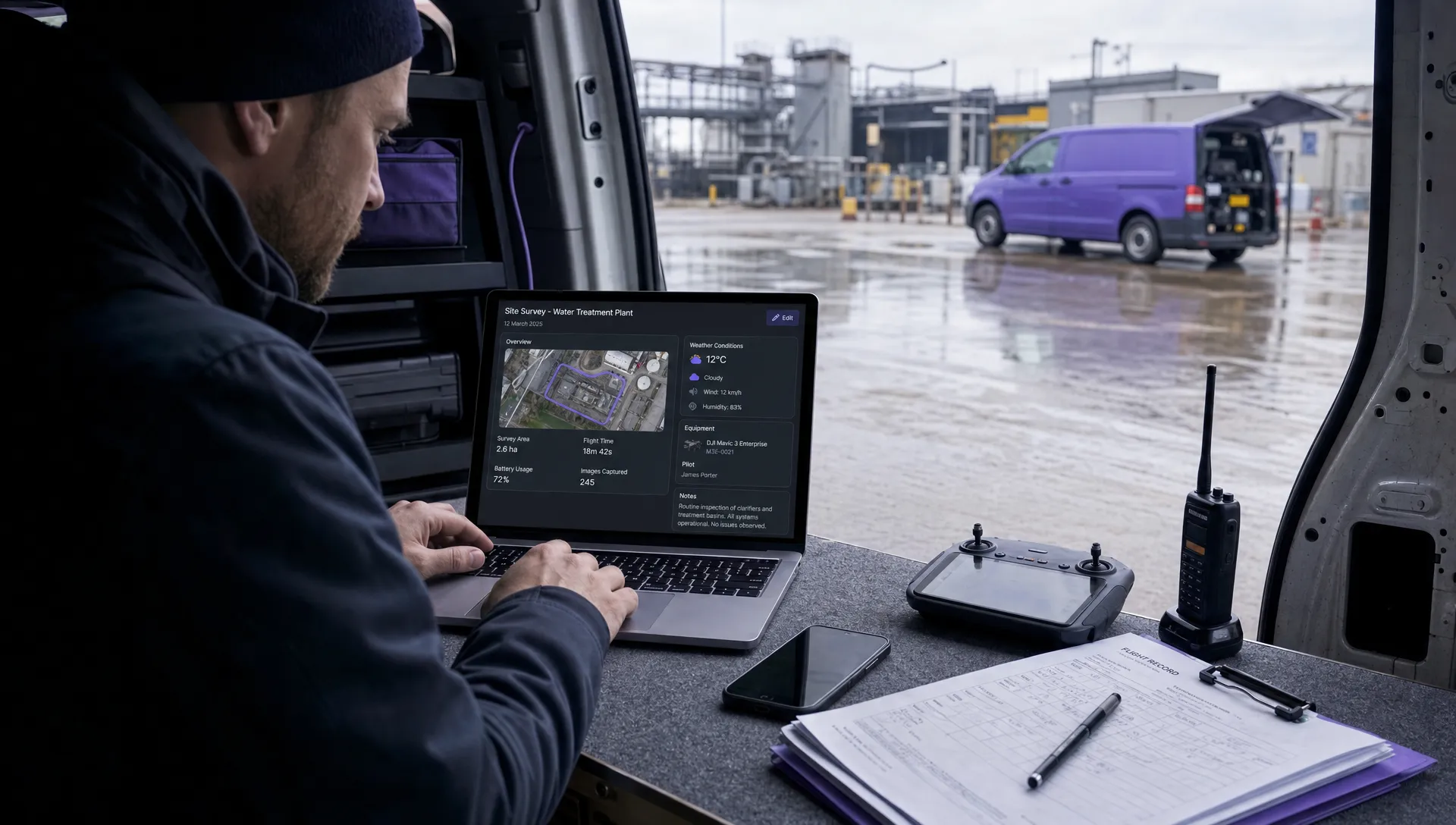 Drone Airspace Rules: How to Document Your Site Checks →
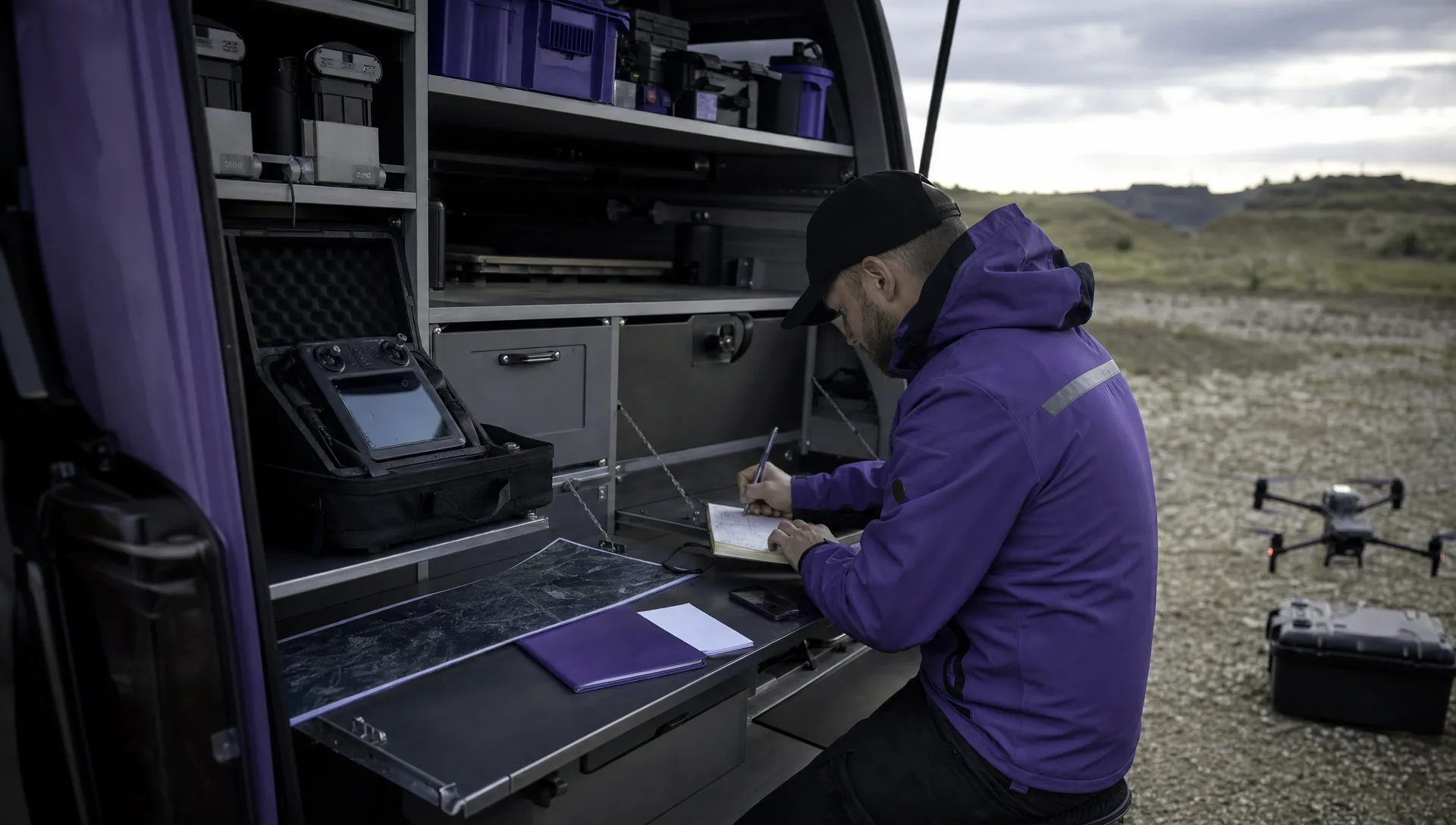 How to Evaluate a Free Drone Logbook Before Using It →
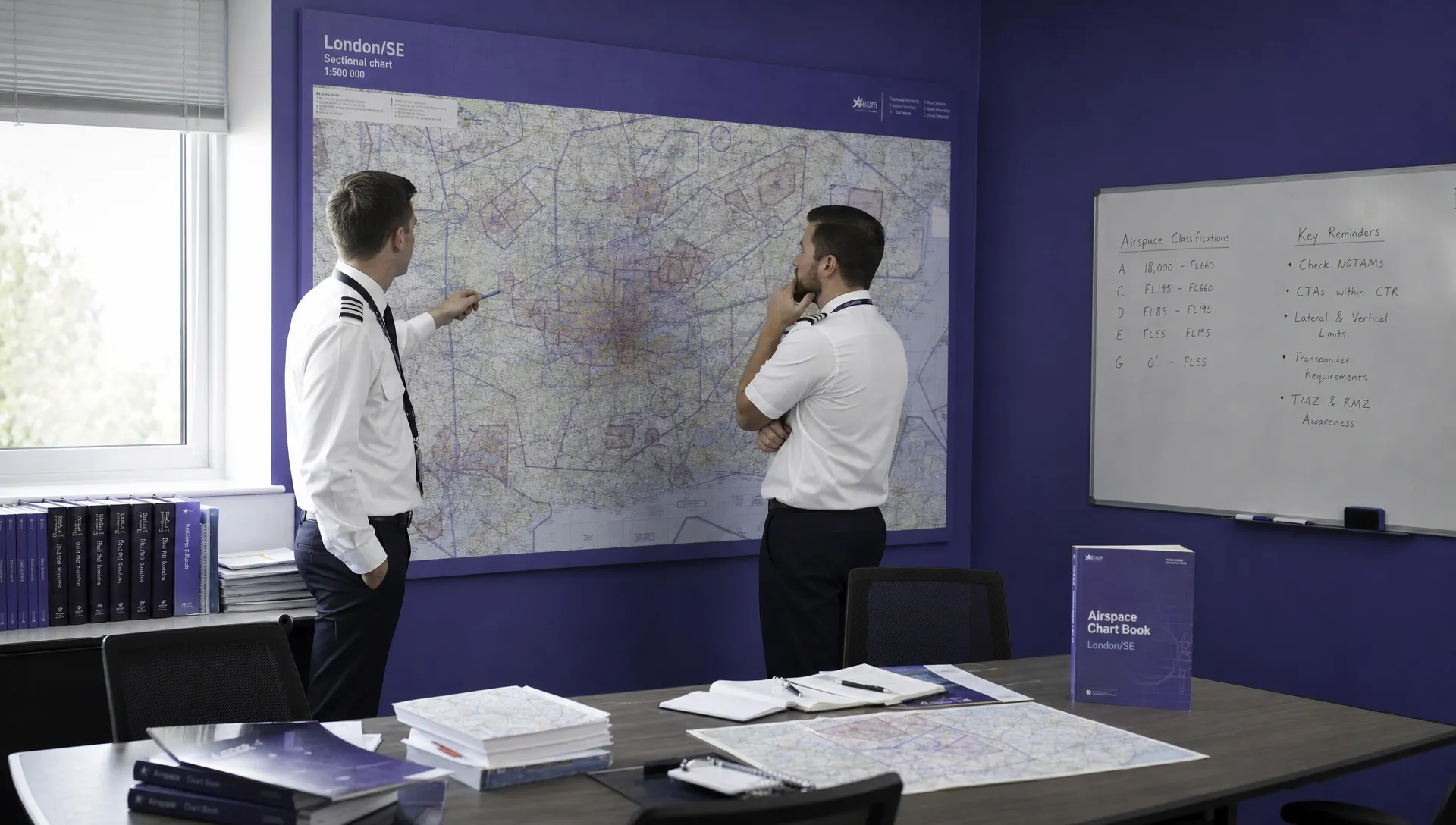 FAA Part 107 Test: How to Master Airspace Questions →
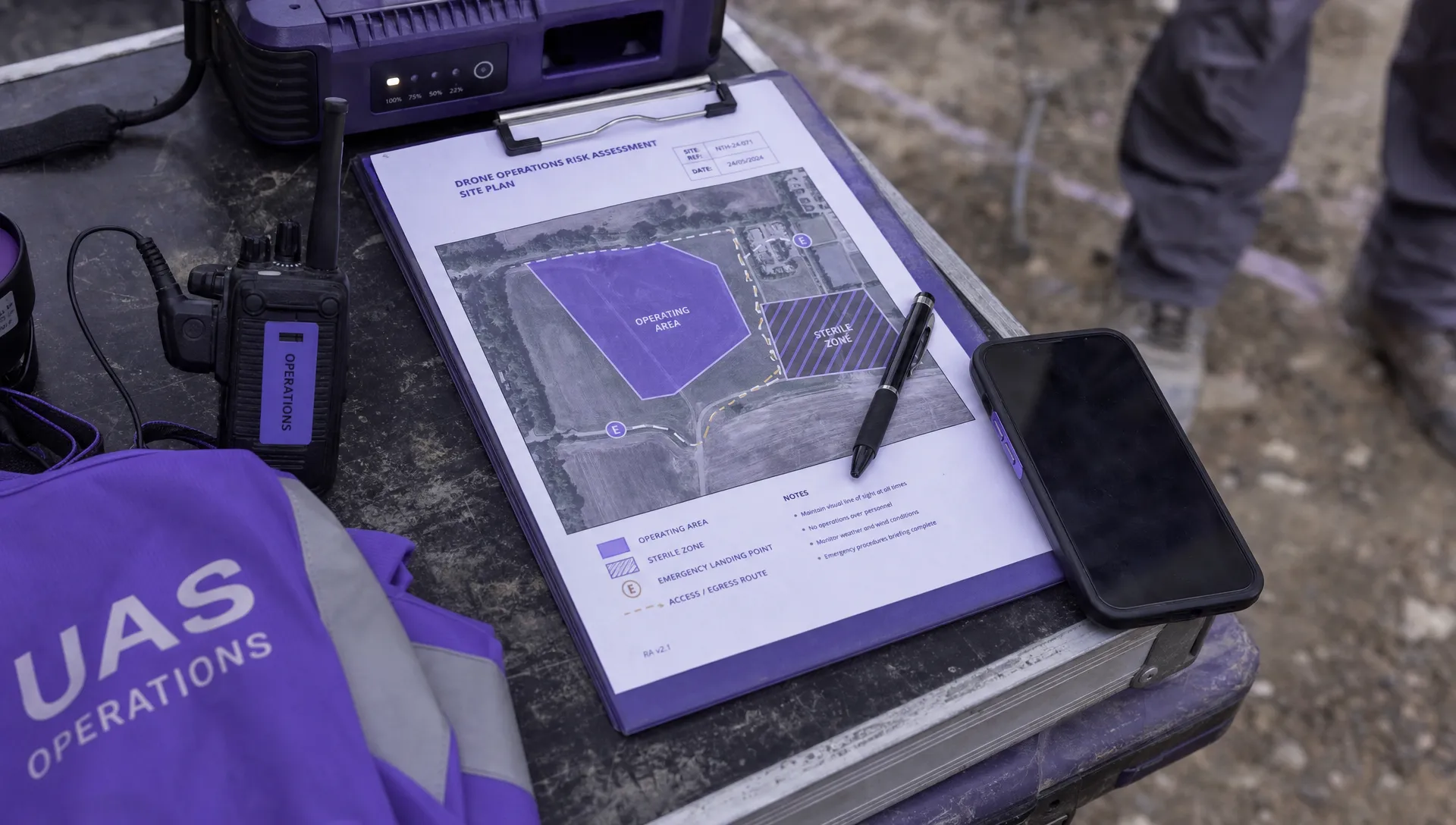 Drone Risk Assessment Controls That Work in the Field →
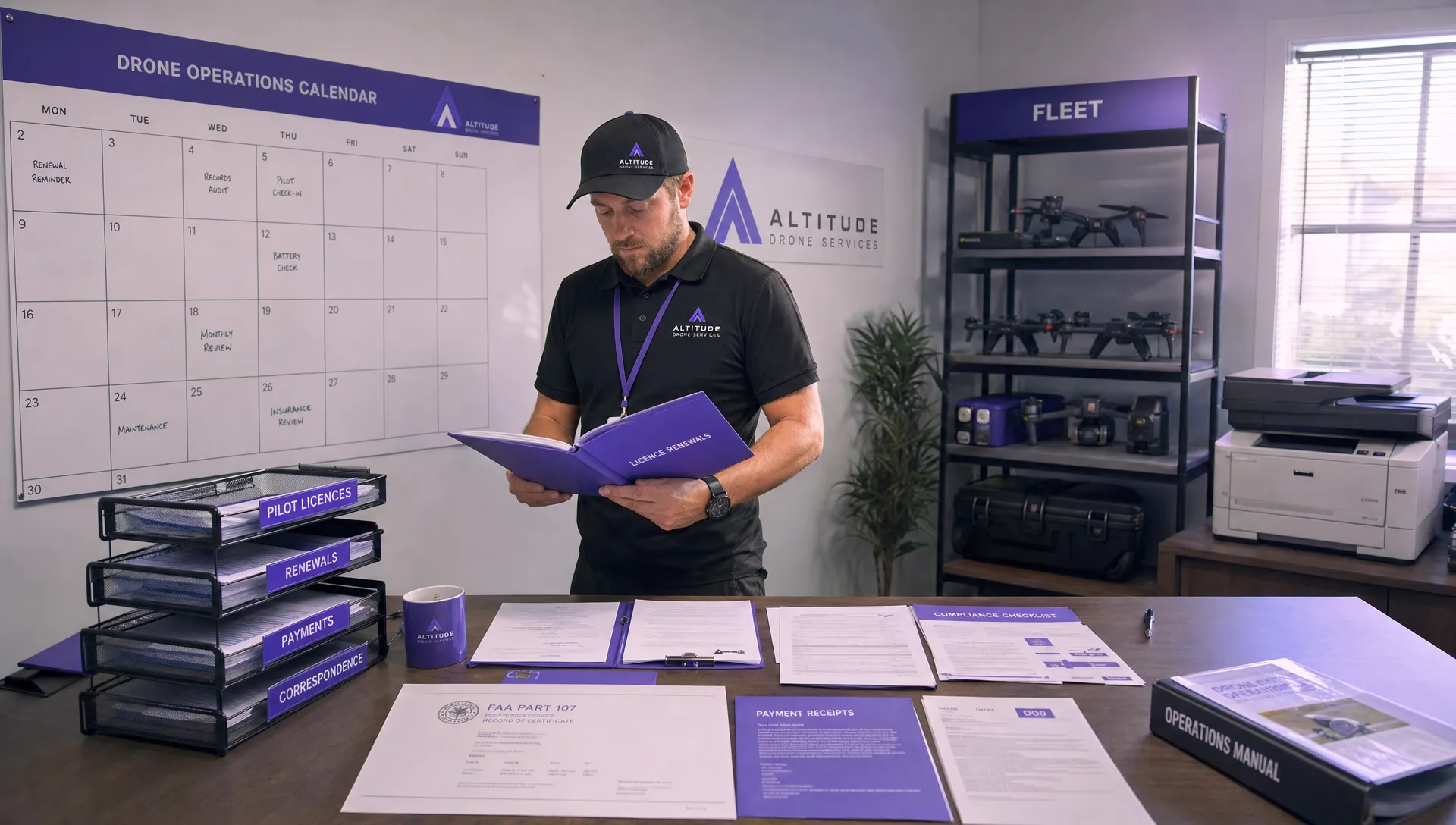 FAA Drone License Costs Beyond the Knowledge Test →
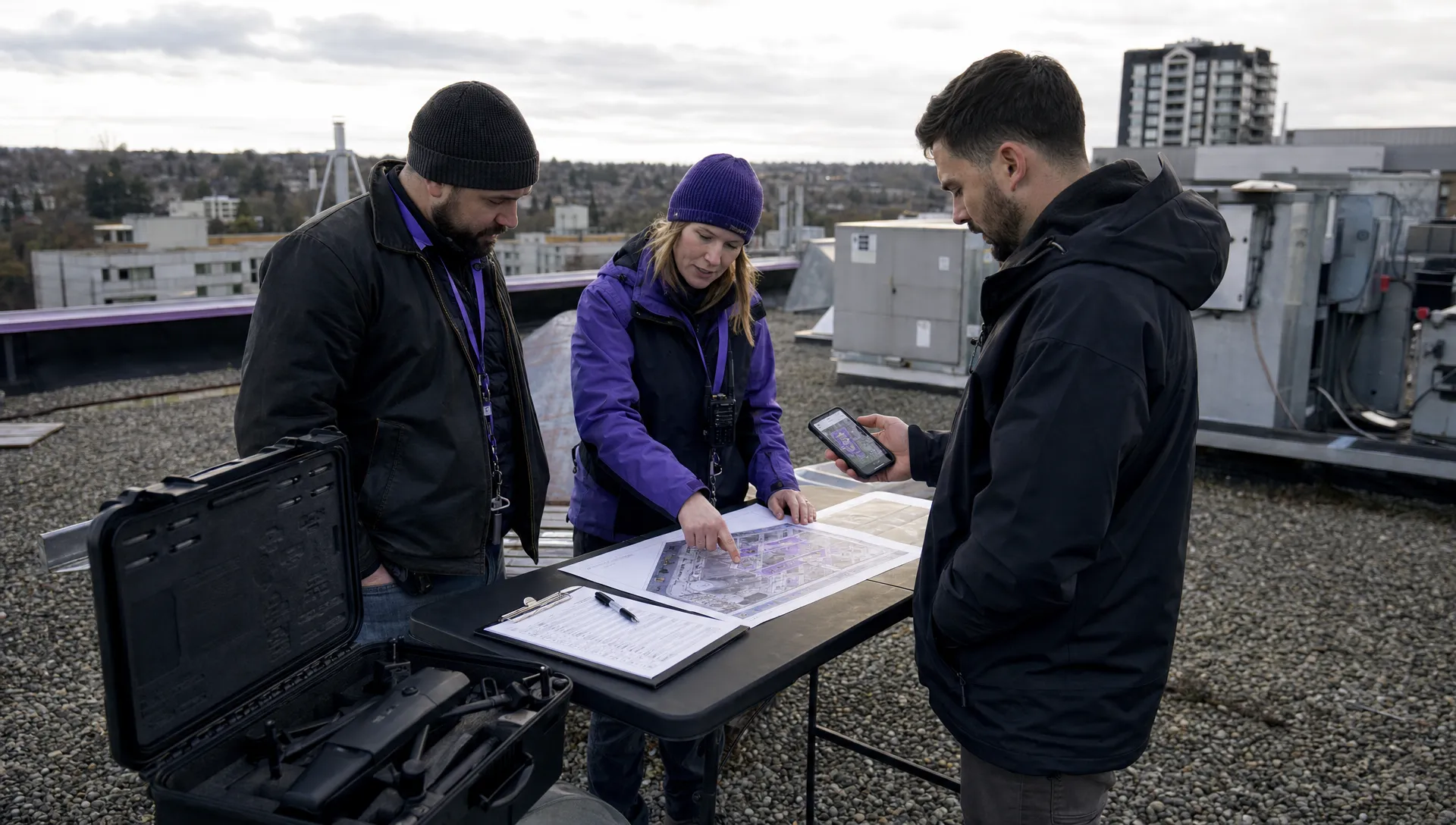 Drone Part 107 Operations: When a Waiver May Be Needed →
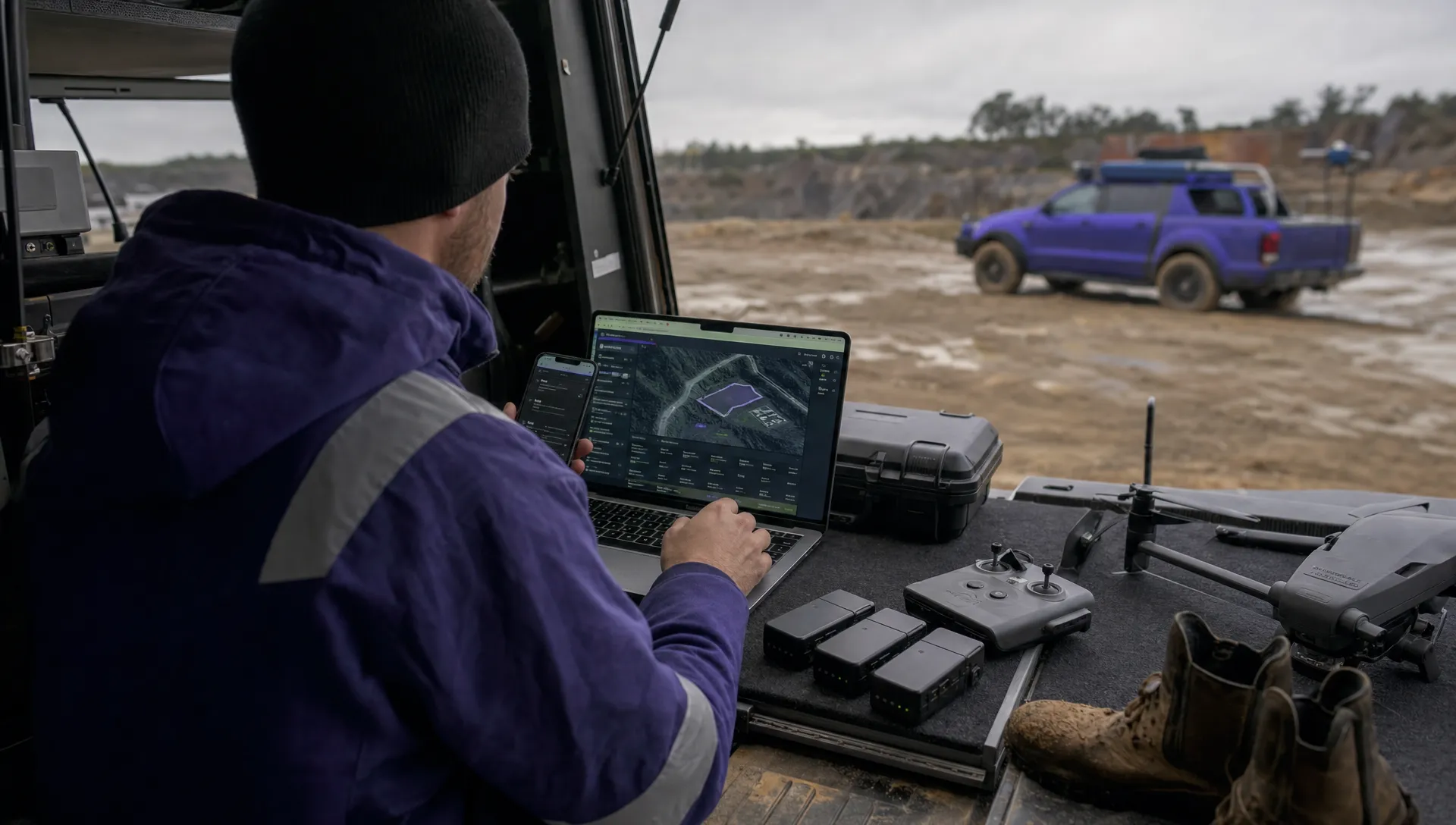 Drone Operating Rules for Managing Contractors and Employees →
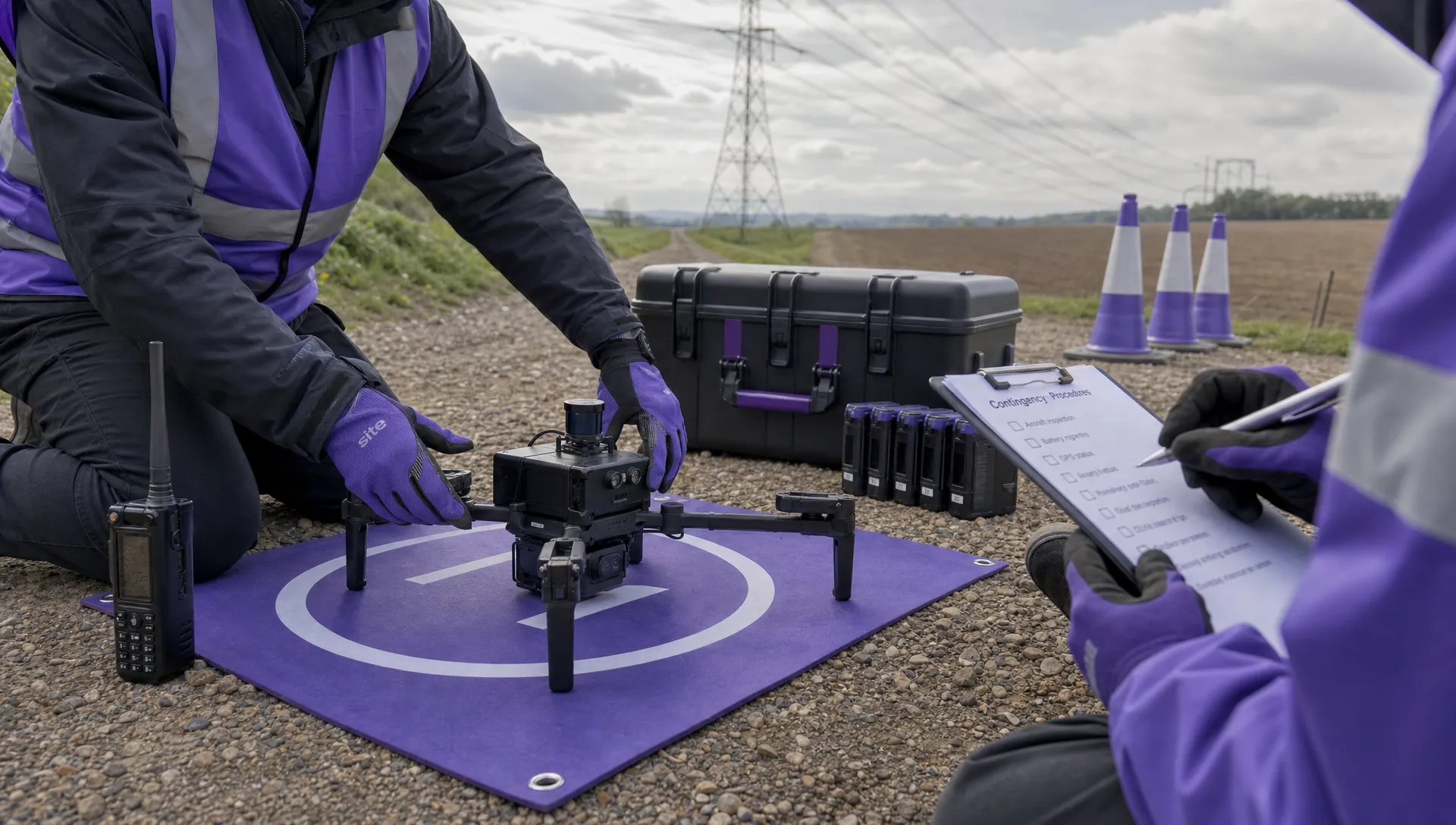 BVLOS Drone Requirements for Building a Safety Case →
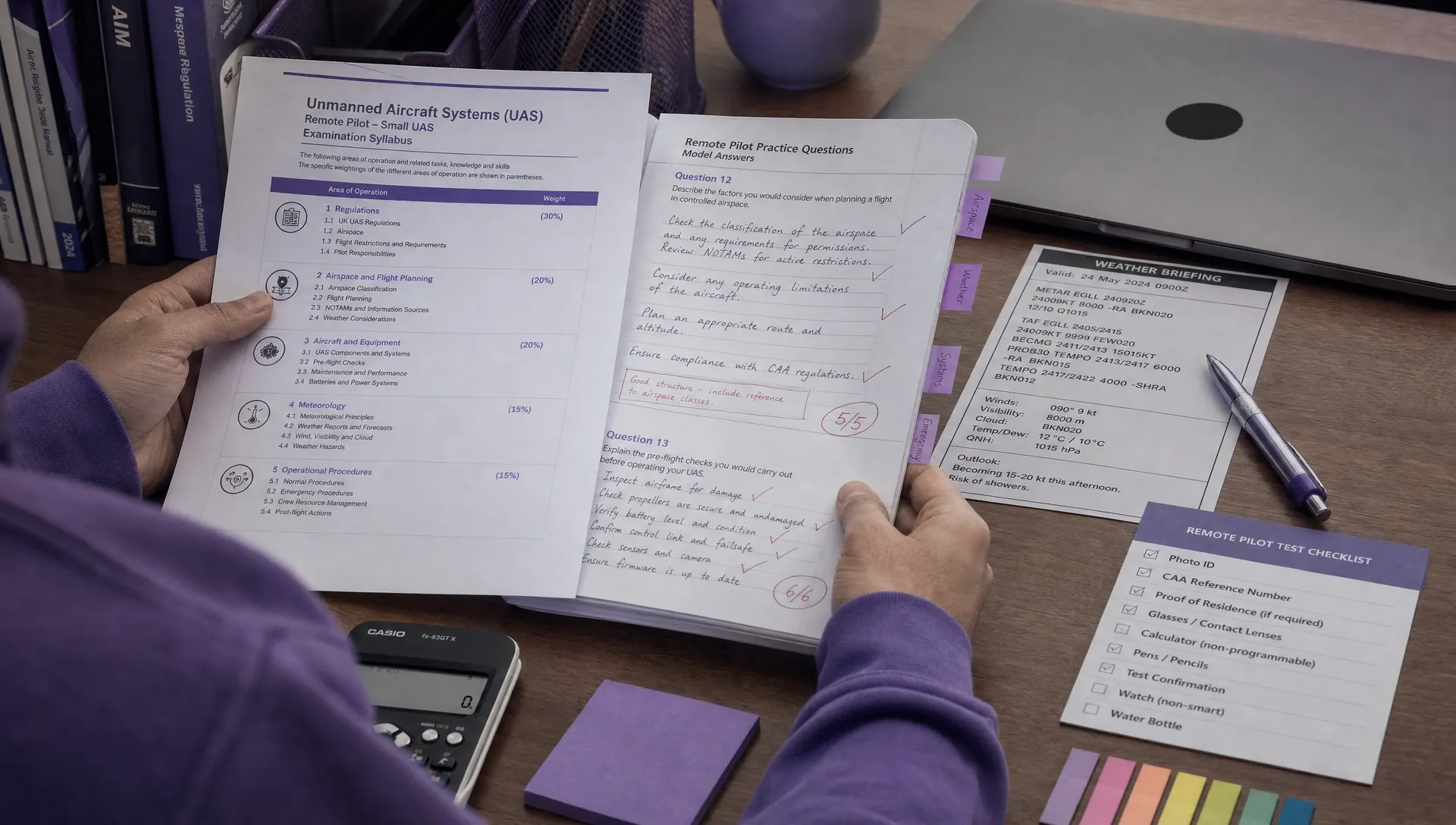 Drone Pilot Test Mistakes That Cost Candidates Marks →
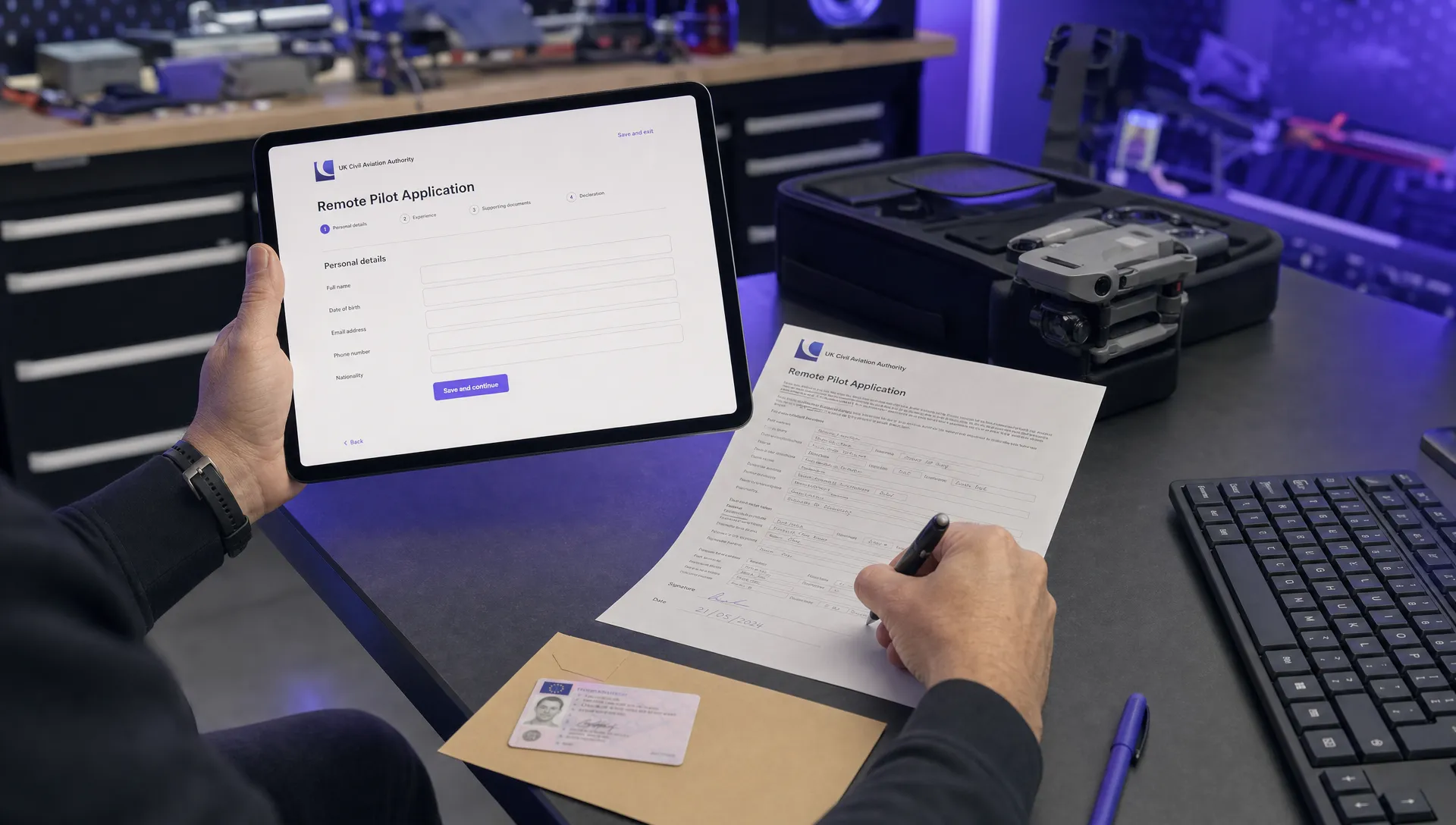 FAA 107 License vs Part 107 Certificate: What’s the Difference? →