
Compare Dronedesk With ScaleFlyt - The Complete Guide
Understanding The Enterprise Drone Software Landscape
 Before we place Dronedesk and ScaleFlyt side-by-side, it's important to understand the environment these platforms exist in. The commercial drone industry is growing quickly, leading to a crowded and often disconnected software market. This expansion creates specific challenges that will shape which platform is the right choice for your operation. Selecting the correct software goes beyond a simple feature list; it involves finding a solution that fits within a complex ecosystem driven by significant market forces.
The Fragmented Nature of Drone Software
Unlike more established tech industries, the drone software world doesn't have a single, do-it-all solution. Instead, it’s a mosaic of specialized tools. A typical workflow might involve one application for flight planning, another for processing data, and a third for compliance logging. This setup turns operations managers into system integrators, tasked with stitching together a coherent process from separate programs.
Platforms like Dronedesk and ScaleFlyt are designed to address this problem by bringing these functions under one roof. However, they do so with different philosophies based on what they see as the market's main pain points. Your decision between them will largely depend on which of these operational challenges is most pressing for your business.
Market Forces Shaping Your Decision
External factors add more layers to the decision-making process. Regulatory shifts, for instance, can quickly make certain software features outdated or introduce new compliance needs. A platform's agility in adapting to new airspace rules is a critical factor.
The influence of major hardware manufacturers also shapes the software market, as developers often focus on compatibility with the most popular drone models. This can leave pilots with less common, highly specialized drones with fewer software choices. A platform's capacity to integrate with a varied fleet is therefore a key point to consider when you compare Dronedesk with ScaleFlyt.
This backdrop of rapid growth is supported by strong market projections. The global market for connected commercial drones, valued at $2.8 million in 2024, is expected to climb to $4.5 million by 2029, showing a compound annual growth rate (CAGR) of 9.9%. This steady growth highlights the increasing need for professional management tools to support scaling operations. Grasping these dynamics—fragmentation, regulation, and market expansion—is essential for a useful comparison.
How Each Platform Approaches Drone Operations
The core philosophies behind Dronedesk and ScaleFlyt reveal their distinct characters and intended users. When comparing Dronedesk with ScaleFlyt, you're not just looking at a list of features; you're evaluating two different mindsets for solving operational challenges. Dronedesk was conceived as a unified hub, a central mission control for every part of a drone program. This design prioritizes bringing all necessary functions—from client management to flight logging—into a single, cohesive system.
In contrast, ScaleFlyt was developed with a sharper focus on orchestration and automation, especially for complex, large-scale operations. Its architecture is built around managing numerous simultaneous flights, navigating intricate airspace regulations, and handling the demanding needs of Beyond Visual Line of Sight (BVLOS) missions. This fundamental difference in their foundations shapes everything from the user interface to how each platform supports your program's long-term growth.
Dronedesk: The All-in-One Operations Center
Dronedesk’s approach centers on centralizing tasks to create efficiency across the entire job lifecycle. Think of it as a digital toolkit where every tool is designed to work together without friction.
- Workflow Logic: The platform walks users through a logical sequence: create a client, plan a job, assess risks, fly the mission, and then generate reports. This structure is perfectly suited for small to medium-sized businesses or individual operators who must balance business administration with flight operations.
- User Experience: The interface is built for clarity and ease, aiming to reduce the administrative load that often bogs down drone service providers. This makes it a strong alternative to Drone Cloud and similar platforms that might require more manual work to connect different functions. The main objective is to minimize time spent on paperwork and maximize time in the field.
ScaleFlyt: The Large-Scale Fleet Orchestrator
ScaleFlyt addresses a different set of problems: managing complexity at a massive scale. Its design is less about day-to-day business administration and more about the technical coordination of multi-drone, multi-pilot missions.
- Workflow Logic: The platform's heart is mission-critical automation. This includes advanced flight authorizations, real-time fleet tracking, and managing complex deconfliction in congested airspace. It’s built for enterprises where drone operations are a core, high-volume activity.
- Hardware Integration: Both platforms operate in a market where DJI holds a commanding position, controlling about 70% of the global drone market share in 2024. While seamless integration with DJI hardware is a baseline, ScaleFlyt’s approach also emphasizes compatibility with a wider array of enterprise-grade and custom airframes. You can learn more about the drone market's growth and dynamics on TS2.tech. This makes it a better fit for organizations running diverse and specialized fleets.
Where Each Platform Truly Excels

Beyond the high-level philosophy of each platform, their practical application is what truly sets them apart. A direct comparison of Dronedesk with ScaleFlyt shows that their core strengths lie not just in the features they offer, but in how those features are implemented. This directly influences daily operational efficiency, carving out clear advantages for different kinds of drone programs. Dronedesk's main advantage is its end-to-end workflow management, while ScaleFlyt's is its robust mission orchestration for complex operations.
Dronedesk: The Master of Job Management and Compliance
Dronedesk is built for individual operators and small teams whose biggest challenge is managing the entire business cycle of a drone job. Its real power is in weaving administrative tasks and field operations into a single, continuous process.
- Integrated Workflow: The platform excels at guiding a project from initial client inquiry all the way to final invoicing. For a solo operator doing a roof inspection, this means handling client creation, job planning with built-in weather and airspace checks, risk assessment generation, flight logging, and report creation within one system. This can reduce administrative time by up to 90% for certain users.
- Compliance Automation: Dronedesk automates the creation of key compliance documents like RAMS (Risk Assessment Method Statements). This isn't just a simple template; it actively pulls data from the specific job plan, location, and assets involved, making the process both rapid and precise. For businesses operating under strict regulations, this feature offers a major operational benefit.
ScaleFlyt: The Conductor of Complex Missions
ScaleFlyt is designed for environments where the main challenge is the technical coordination of large-scale, often simultaneous, drone flights. Its strength is in advanced operational control and data handling.
- Fleet Orchestration: For a company managing a fleet of 20+ drones for infrastructure monitoring across various locations, ScaleFlyt provides exceptional real-time situational awareness. Its interface is built to track multiple aircraft, manage airspace deconfliction automatically, and support complex flight authorizations needed for BVLOS (Beyond Visual Line of Sight) operations.
- Advanced Analytics and Integration: ScaleFlyt is structured for deep data integration. It can connect with external GIS systems, asset management software, and AI-powered analytics engines. This allows it to convert raw drone data into meaningful business intelligence, such as correlating thermal imaging data from multiple inspections to predict equipment failure across a utility network.
To better understand how these differences play out in the real world, the following table breaks down their core capabilities side-by-side.
Platform Capability Analysis
Detailed comparison of core operational capabilities and their real-world performance
| Capability Area | Dronedesk Approach | ScaleFlyt Approach | Best For |
|---|---|---|---|
| Project Management | Provides an end-to-end workflow from client intake to final invoice, integrating all administrative and operational steps. | Concentrates on the logistical and technical aspects of mission planning and execution, rather than business administration. | Small to medium-sized drone service providers needing a single system to manage their entire business lifecycle. |
| Compliance | Automates the generation of job-specific compliance documents (e.g., RAMS) by pulling data from the flight plan. | Focuses on advanced regulatory workflows required for complex operations like BVLOS, including digital approvals. | Enterprises in highly regulated sectors or those conducting operations that require special aviation authority approvals. |
| Fleet Operations | Offers straightforward management of pilots, drones, and equipment, suited for smaller, centrally managed teams. | Delivers real-time, multi-drone coordination and advanced situational awareness for large, dispersed fleets. | Organizations with large-scale, geographically scattered drone fleets requiring sophisticated command and control. |
| Data Handling | Centers on secure data storage and the creation of job-based reports and deliverables within the platform. | Built for integration with external analytics platforms (GIS, AI engines) to process and analyze large datasets. | Operations focused on turning large volumes of drone data into actionable, data-driven business insights. |
In summary, the choice depends heavily on your operational model. Dronedesk is the ideal co-pilot for the dronepreneur or small business, simplifying the entire job lifecycle. In contrast, ScaleFlyt acts as the air traffic control tower for large-scale enterprises, orchestrating complex missions and sophisticated data workflows.
Scaling Your Operations Without Breaking The System
Growth is a great problem to have—until your management platform becomes an operational bottleneck. This is where the core architectural differences between Dronedesk and ScaleFlyt become most apparent, creating vastly different experiences as your operations expand. A direct compare Dronedesk with ScaleFlyt on scalability reveals two distinct philosophies: one built for incremental, manageable growth and the other designed for large-scale enterprise expansion from the start.
Managing Growth: Dronedesk's Methodical Approach
Dronedesk is structured for linear scaling, which is a perfect fit for small teams that expand into larger ones. Its all-in-one system, which handles everything from clients to compliance, remains cohesive as you add more pilots, jobs, and equipment. The platform performs exceptionally well when growing from 5 to 25 drones, as its job-centric framework keeps administrative tasks organized without overwhelming users.
However, the strain can begin to show when managing dozens of simultaneous, geographically dispersed missions. The very integration that makes it powerful for smaller operations can become a choke point when real-time, multi-mission command and control is the main requirement. It’s not designed to be an air traffic control system for a massive fleet but rather a robust business management engine that grows with you.
Built for Bigness: ScaleFlyt’s Orchestration Engine
In contrast, ScaleFlyt is engineered specifically for the challenges of large fleet orchestration. Its architecture is set up to handle high volumes of concurrent missions and massive data throughput from day one. For an enterprise managing a 50+ drone fleet for nationwide infrastructure inspection, ScaleFlyt’s capabilities are essential.
The platform’s strength is in its ability to:
- Process real-time telemetry from dozens of active drones simultaneously.
- Automate complex flight authorizations and deconfliction in busy airspace.
- Handle the terabytes of data generated by large-scale survey or inspection projects.
This focus on high-volume orchestration means it might be overly complex for a small team managing a handful of jobs. The hidden costs and complexity emerge not from adding more drones but from the initial setup and integration required to use its advanced features effectively. Dronedesk offers a smoother, more cost-effective scaling path for the majority of drone businesses, while ScaleFlyt provides the high-octane performance needed for true enterprise-level drone programs.
Making These Platforms Work With Your Existing Systems
A drone platform’s value is directly tied to how well it communicates with your existing business systems. Without strong interoperability, even the best software becomes an isolated data silo, creating more manual work. When you compare Dronedesk with ScaleFlyt, their approaches to integration reveal their intended operational environments, showing a clear difference between genuine system connection and basic data export.
Dronedesk: Focused on Business Workflow Integration
Dronedesk is designed to fit directly into the daily operations of a drone service business. Its key strength is its ability to connect the dots between flight operations and business administration. This is done through a robust, well-documented API that allows for connections with common tools like accounting software or CRM systems. For instance, a business could automate invoice creation in their accounting software the moment a job is marked complete in Dronedesk.
This method aims to make the entire business process more efficient, not just the flight itself. You can learn more about this approach by checking out our guide on drone management software, which explores how these systems fit into broader business operations.
When it comes to hardware, Dronedesk provides excellent support for the most common drones, particularly those in the DJI ecosystem. This makes it a practical choice for the majority of commercial operators. However, teams using highly specialized or emerging drone models might find that custom integration work is necessary.

The dashboard shown here offers a clear, central view of all operational elements, from job status to team activity. This straightforward interface is a core part of Dronedesk's appeal, as it simplifies the management of complex data by presenting it in an actionable format.
ScaleFlyt: Built for Enterprise System Connectivity
ScaleFlyt's integration strategy is geared toward a different user: the large enterprise where drone operations are just one piece of a much larger data puzzle. Its API and pre-built connectors are made for heavy-duty systems like Enterprise Resource Planning (ERP) platforms and Geographic Information Systems (GIS). For a utility company, this means drone inspection data can flow directly into their main GIS platform, automatically updating asset condition records without manual entry.
This capability is essential for organizations that depend on drone data to feed other corporate analytics and reporting systems. ScaleFlyt also excels in hardware compatibility beyond the mainstream. Its architecture is more flexible for integrating with a diverse range of airframes and specialized payloads, which is vital for large, mixed-fleet operations.
Ultimately, Dronedesk prioritizes seamless workflow integration for drone-centric businesses, while ScaleFlyt focuses on high-level data integration for complex enterprise environments. The right choice depends on whether your main challenge is running the business or feeding the corporate data machine.
Finding Your Perfect Platform Match
The most sophisticated platform is of little use if it doesn't align with your specific operational needs. Simply comparing Dronedesk with ScaleFlyt on features isn't enough; the right choice depends on your team's size, the complexity of your missions, and your primary industry focus. In this decision, context is everything.
Real-World Scenarios: Where Each Platform Fits
Imagine a small team specializing in agricultural surveying. Their main requirement is a single, efficient system to manage everything from client communication and job planning to risk assessments and final report delivery. For this scenario, Dronedesk’s integrated business management approach is the clear choice. It brings together administrative and operational duties, cutting down on paperwork and freeing up more time for fieldwork.
Now, picture a large utility company managing a fleet of 50+ drones for infrastructure inspections across the country. Their biggest hurdles are coordinating dozens of flights at once, securing complex airspace permissions for BVLOS missions, and feeding inspection data into their corporate GIS. In this case, ScaleFlyt's design for large-scale fleet orchestration offers the necessary capability. Its architecture is built for real-time command and control, making it the better option for high-volume, critical operations where technical coordination is the top priority.
For a broader perspective on evaluating software, guides like this comprehensive software comparison can offer a useful framework for assessing features, even when focused on a different industry.
To help you decide which platform is the best fit, it's useful to look at how they perform in different situations. The table below analyzes their suitability based on operational complexity and scale.
| Operation Type | Complexity Level | Dronedesk Fit | ScaleFlyt Fit | Recommendation |
|---|---|---|---|---|
| Small Business Operations | Low to Medium | Excellent. The all-in-one business and flight management system reduces administrative overhead for lean teams. | Overkill. Advanced fleet features may be unnecessary and add complexity not suited for smaller operations. | Choose Dronedesk for streamlined, end-to-end project management. |
| Multi-Team Coordination | Medium | Good. Manages teams and projects effectively but lacks real-time, large-scale fleet command features. | Excellent. Built for coordinating numerous simultaneous flights across different teams and locations. | ScaleFlyt is better suited for organizations requiring centralized command and control. |
| BVLOS & Complex Airspace | High | Adequate. Supports detailed risk assessments but lacks specialized tools for complex airspace deconfliction. | Superior. Offers advanced automation and airspace management tools designed for high-risk missions. | Opt for ScaleFlyt if your operations regularly involve BVLOS or regulated airspace. |
| Data Integration (GIS/ERP) | Medium to High | Good. Provides robust reporting and data export, but may require manual integration with larger corporate systems. | Excellent. Designed for seamless API integration with enterprise-level GIS, ERP, and asset management software. | ScaleFlyt is the stronger choice for deep integration with existing corporate data systems. |
As the analysis shows, the choice isn't just about features but about operational context. Dronedesk shines for businesses that need to manage the entire project lifecycle efficiently, while ScaleFlyt is built for the technical demands of large-scale, complex drone programs.
Making the Right Choice for Your Operation
The final decision comes down to a clear-eyed assessment of your primary needs. Is your main challenge managing the entire business side of a drone project, or is it coordinating complex, multi-drone missions in regulated airspace? The decision tree below helps visualize the key factors that distinguish these two platforms.

As the infographic illustrates, Dronedesk is the practical choice for smaller fleets that prioritize organized job management and analytics. In contrast, ScaleFlyt is engineered for larger fleets where advanced automation and operational scale are the main drivers. This visual guide simplifies the choice by highlighting the most significant operational differences.
Ultimately, understanding your own operational environment—from regulatory requirements to team collaboration needs—is the key to picking the right software. The most effective platform will be the one that directly solves your main problems and grows with your specific business needs, ensuring it becomes a valuable asset.
Making The Decision And Ensuring Success
Choosing between Dronedesk and ScaleFlyt is a significant step, but it's the beginning of a new operational phase, not the end of the process. A successful deployment requires more than just picking a platform; it demands a clear plan for how your organization will adapt. When you compare Dronedesk with ScaleFlyt, your decision should be based not only on immediate needs but also on future growth, changing regulations, and long-term value.
A Framework For Successful Implementation
No matter which platform you choose, its success depends on a structured implementation strategy. The initial setup is just the first step; the real value emerges when the software is fully adopted by your team.
- Establish Clear Success Metrics: Before you start, define what a successful outcome looks like. Is it cutting down administrative time by 20%? Or maybe increasing the number of missions flown per month by 15%? These specific goals will guide your implementation and help demonstrate the platform's worth.
- Plan for Realistic Training: A common mistake is underestimating the time required for training. Set aside dedicated hours for your team to learn the system's functions. A well-trained team is an efficient one.
- Manage Change Actively: Present the new platform as a tool that empowers your team, not just another administrative task. Emphasize how it will make pilots' work safer, simpler, and more efficient. For new operators, our guide on how to start a drone business offers insights into establishing these core processes from the ground up.
Managing Vendor Relationships And Costs
Your connection with the software provider should be a partnership. As you get closer to a final choice, it's important to understand how to approach vetting SaaS subscriptions effectively to maintain cost-efficiency over the long term. Consistent communication and feedback will help you maximize the platform's potential and even influence future updates. By setting clear objectives, managing the transition with care, and fostering a strong vendor relationship, you can ensure your investment delivers value for years.
Ready to see how Dronedesk can refine your operations with a focus on efficiency and compliance? Explore Dronedesk today and find a smarter way to manage your drone business.
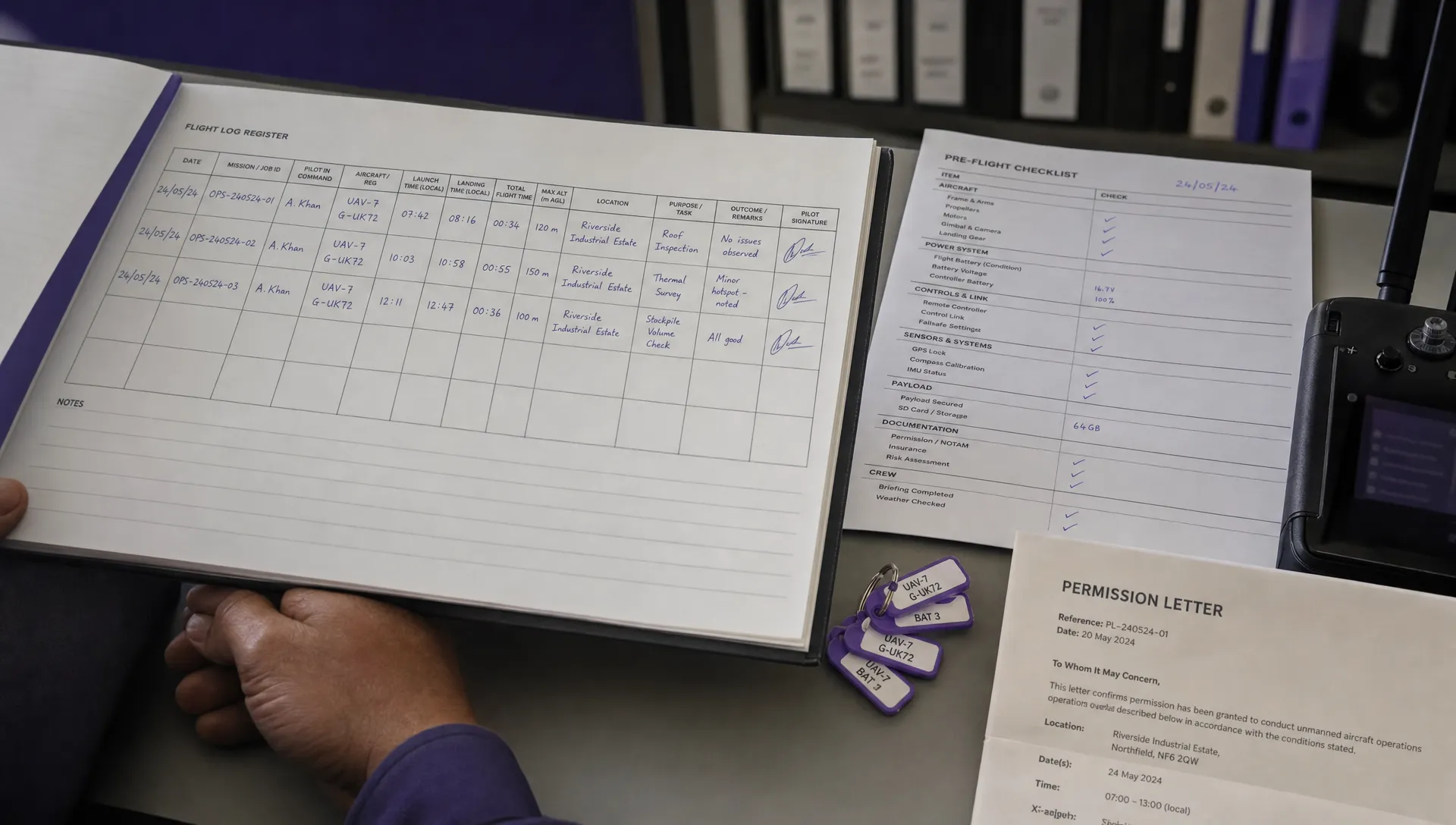 How to Build a Drone Pilot Flight Log That Is Audit Ready →
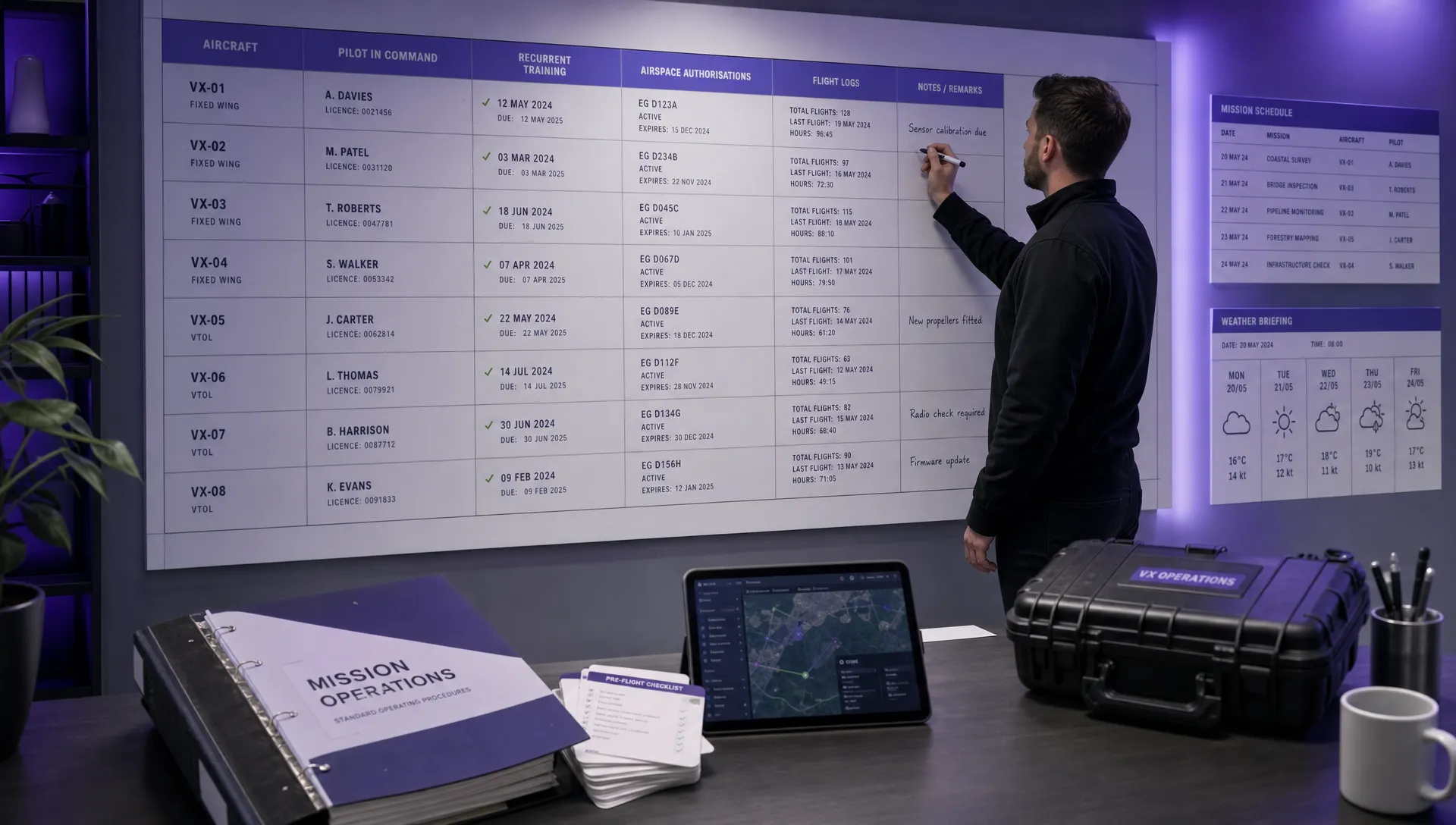 FAA Drone Licence Requirements for Commercial Pilots →
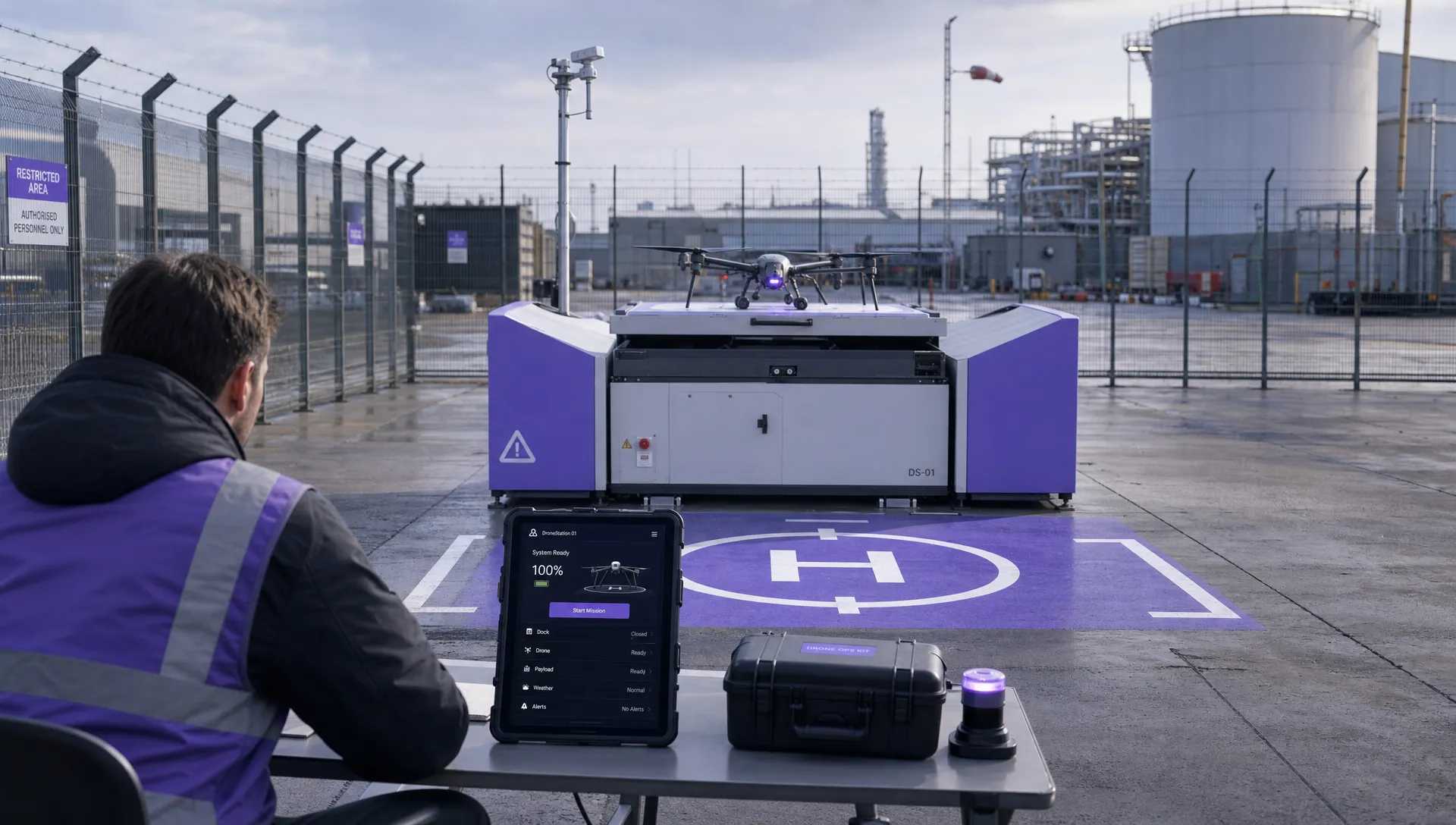 FAA BVLOS Waivers Granted: What Successful Cases Show →
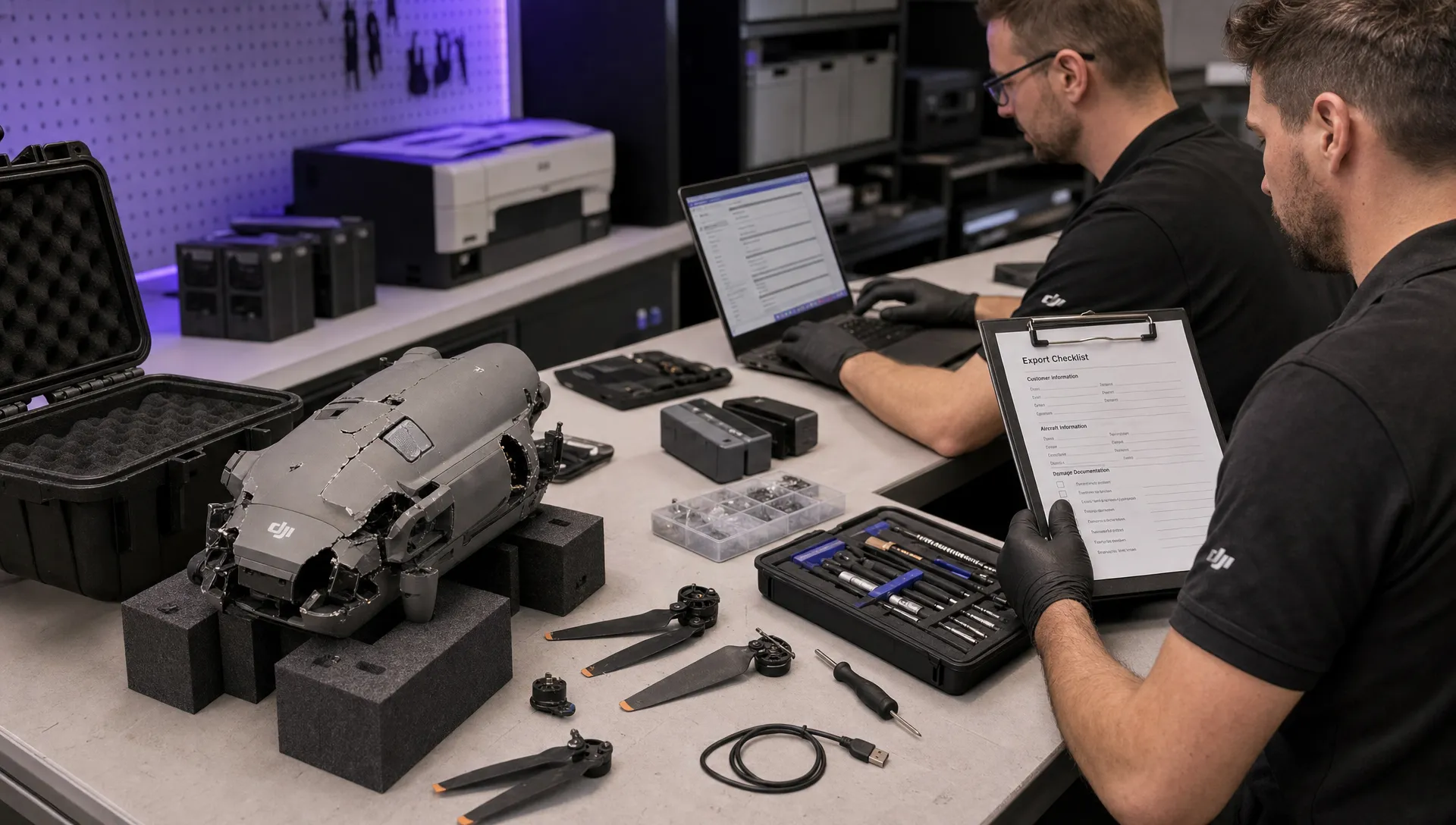 How to Export DJI Flight Logs for Incident Reviews →
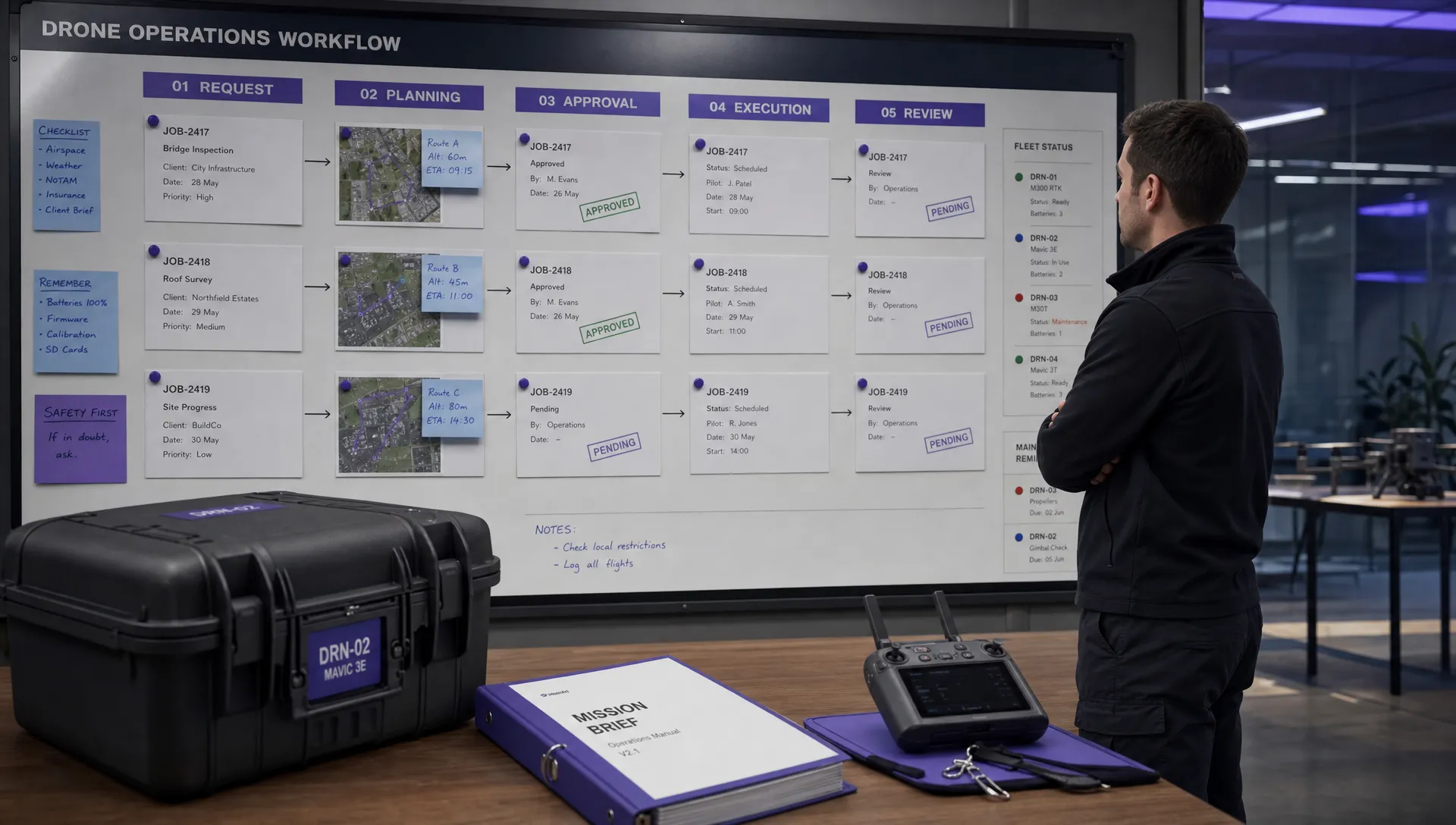 Drone Safety and Legal Duties for Business Operations →
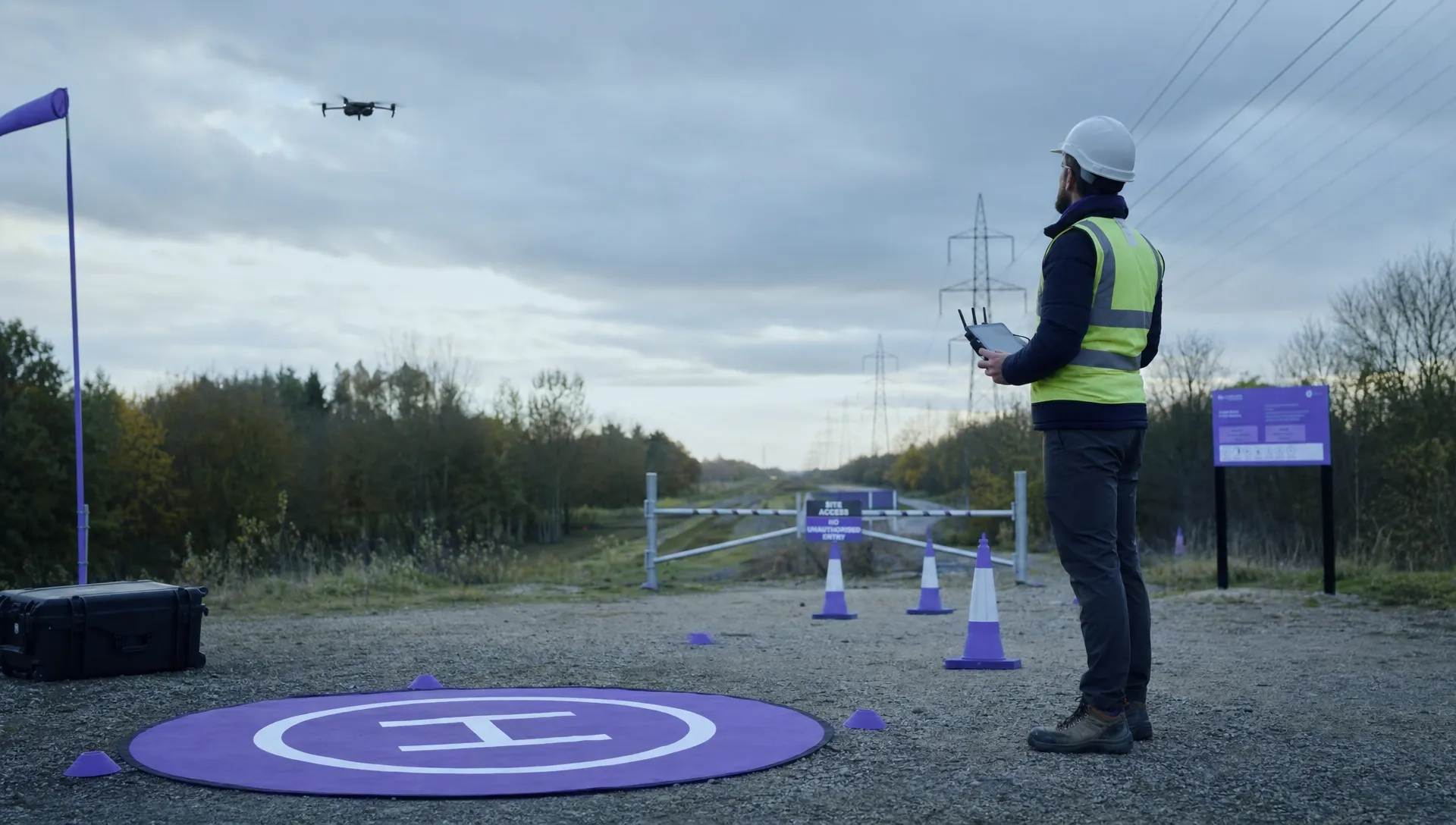 EASA Drone Regulations: Open, Specific and Certified Categories →
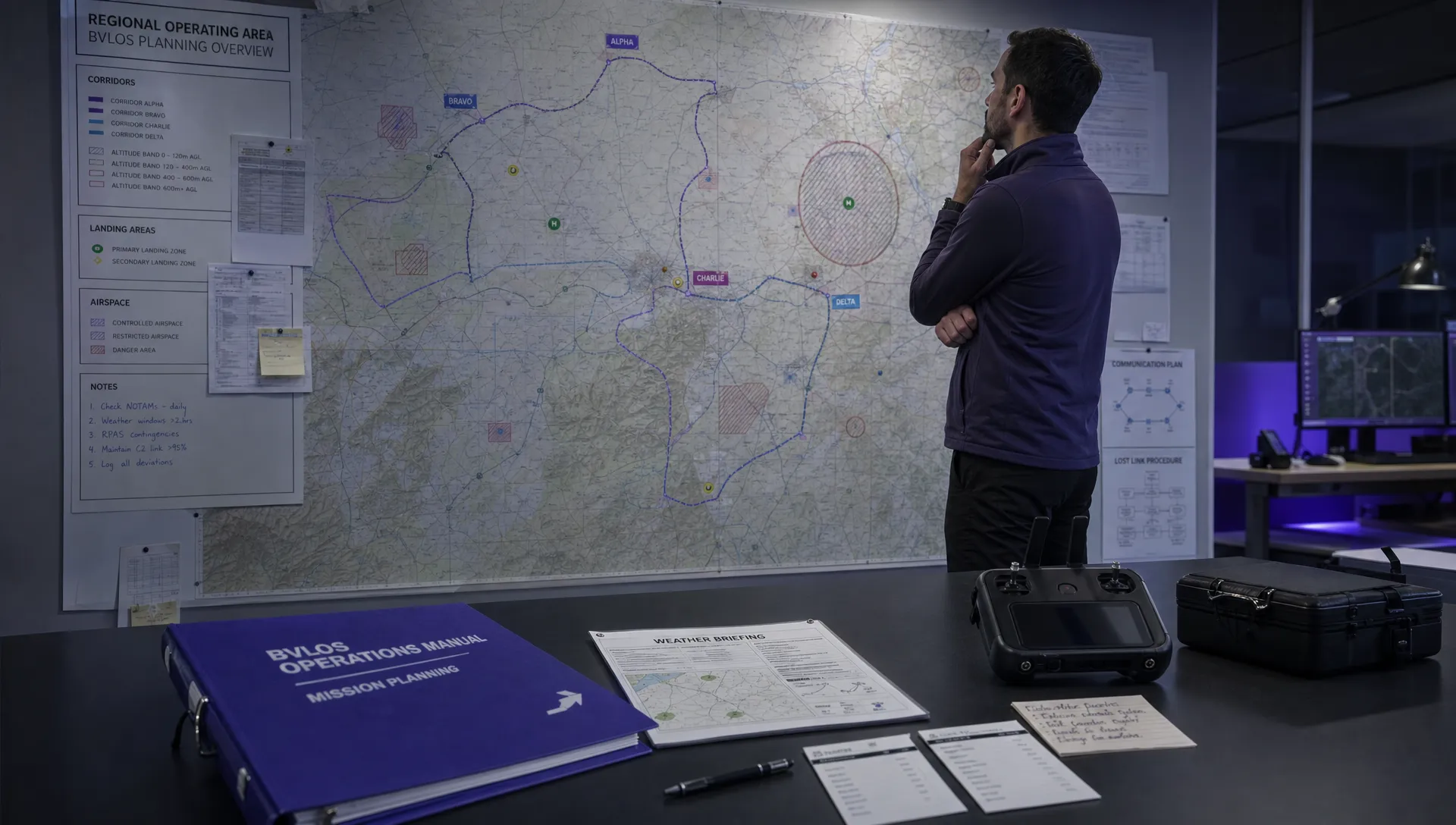 What the BVLOS ARC Report Means for UAS Operators →
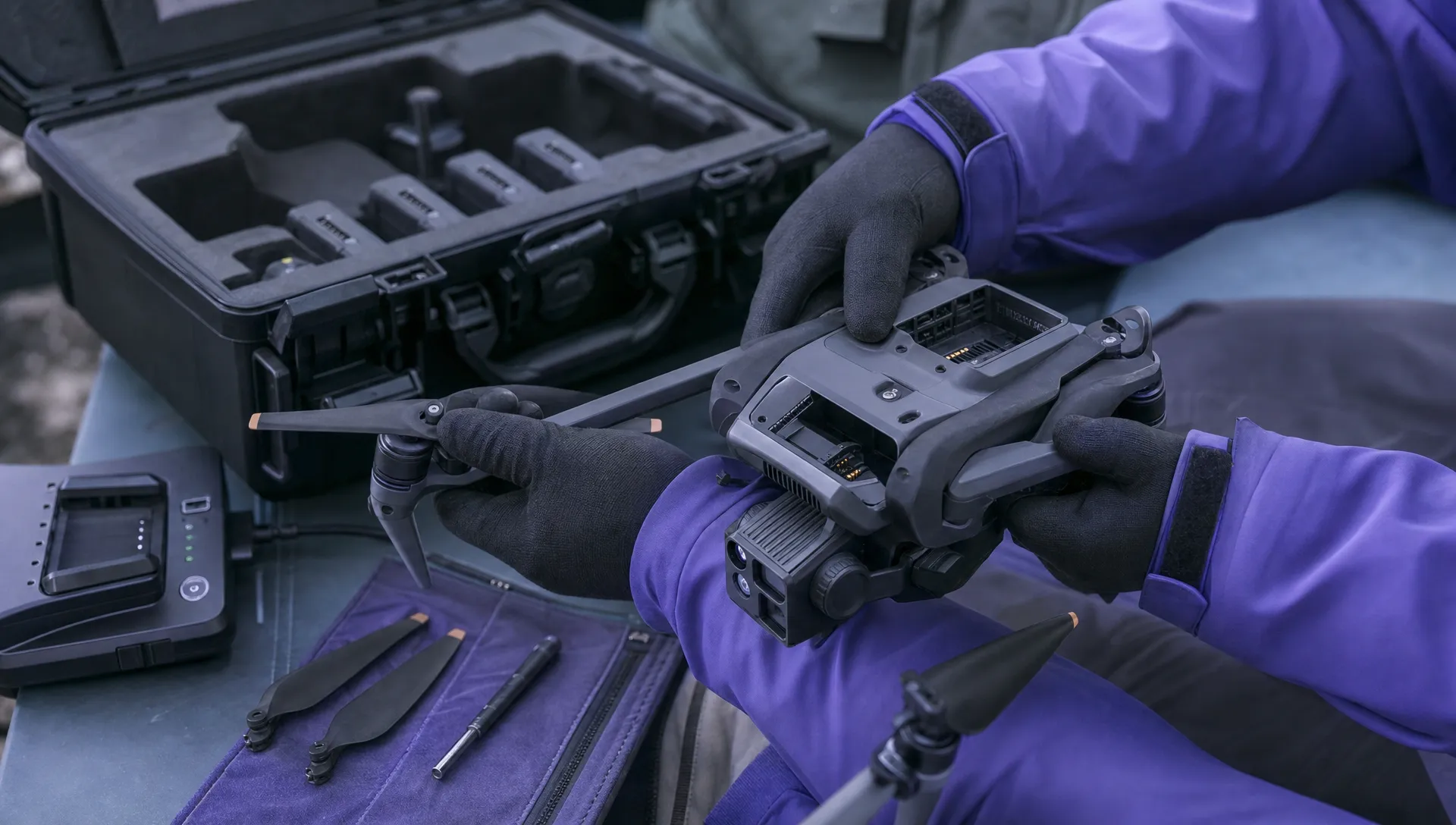 Free Drone Pre-Flight Checklist for Commercial Missions →
 Contingency Volume and Flight Risk Buffer Explained →
 FAA Policy Changes That Commercial Drone Teams Should Track →