
Compare Dronedesk with DroneHub for Drone Operations
When you're looking at Dronedesk versus DroneHub, the fundamental difference becomes clear almost immediately. Dronedesk is built from the ground up to be an all-in-one command center for simplicity and operational flow, while DroneHub is a deeply established system designed for the complex, large-scale needs of enterprise clients. Your choice really boils down to what you value more: streamlined efficiency or powerful, customizable integrations.
Choosing Your Drone Operations Command Center
Picking the right drone operations platform isn't just a software choice; it's a foundational decision that will shape your day-to-day efficiency, compliance, and ultimately, your bottom line. Dronedesk and DroneHub represent two very different philosophies in a market that's growing faster than ever. Getting to grips with what makes them tick is the first step to making the right call for your business.
Dronedesk has carved out a strong reputation as a top-tier alternative to DroneHub by obsessing over a unified, user-friendly experience. It brings everything—client management, flight planning, compliance checks, even invoicing—into one cohesive workflow. The whole idea is to slash the time you spend on admin and untangle the complexities of running a drone business. This approach is clearly resonating, as the commercial drone sector now accounts for a 54% share in end-user adoption, showing a massive demand for platforms that just work. You can get a better sense of how these platforms stack up in the market in this in-depth article on DroneHub alternatives.
On the other hand, DroneHub is a heavyweight ecosystem player with a long history in corporate environments. Its strengths lie in managing huge fleets, handling real-time data streams for highly specialized missions, and integrating with other enterprise-level software and hardware. While that offers immense power, it often comes with a steeper learning curve and a lot more initial setup to get it dialed in for your specific needs.
Key Insight: This isn't really a "which one is better" debate. It's about which platform is the right fit for your business model. The daily needs of a solo pilot are worlds away from those of a multinational corporation running a dedicated drone division.
Dronedesk vs DroneHub At a Glance
To cut through the noise, it helps to see the core differences side-by-side. This table gives you a quick, high-level look at what separates Dronedesk and DroneHub.
| Attribute | Dronedesk | DroneHub |
|---|---|---|
| Core Philosophy | All-in-one, streamlined workflow | Enterprise ecosystem, high customization |
| Ideal User | Solo operators, small to medium teams | Large enterprises, complex operations |
| Primary Strength | Ease of use, operational efficiency | Scalability, deep integrations |
| Onboarding | Fast and intuitive | Requires more setup and configuration |
Looking at how Dronedesk positions itself, you can see the emphasis is squarely on being a complete, time-saving solution.
This visual really drives home Dronedesk's promise: to be the single platform that saves you both time and money. It's a powerful message that stands in contrast to systems that are more fragmented or inherently complex.
A Look Inside the Dronedesk All-In-One Workflow
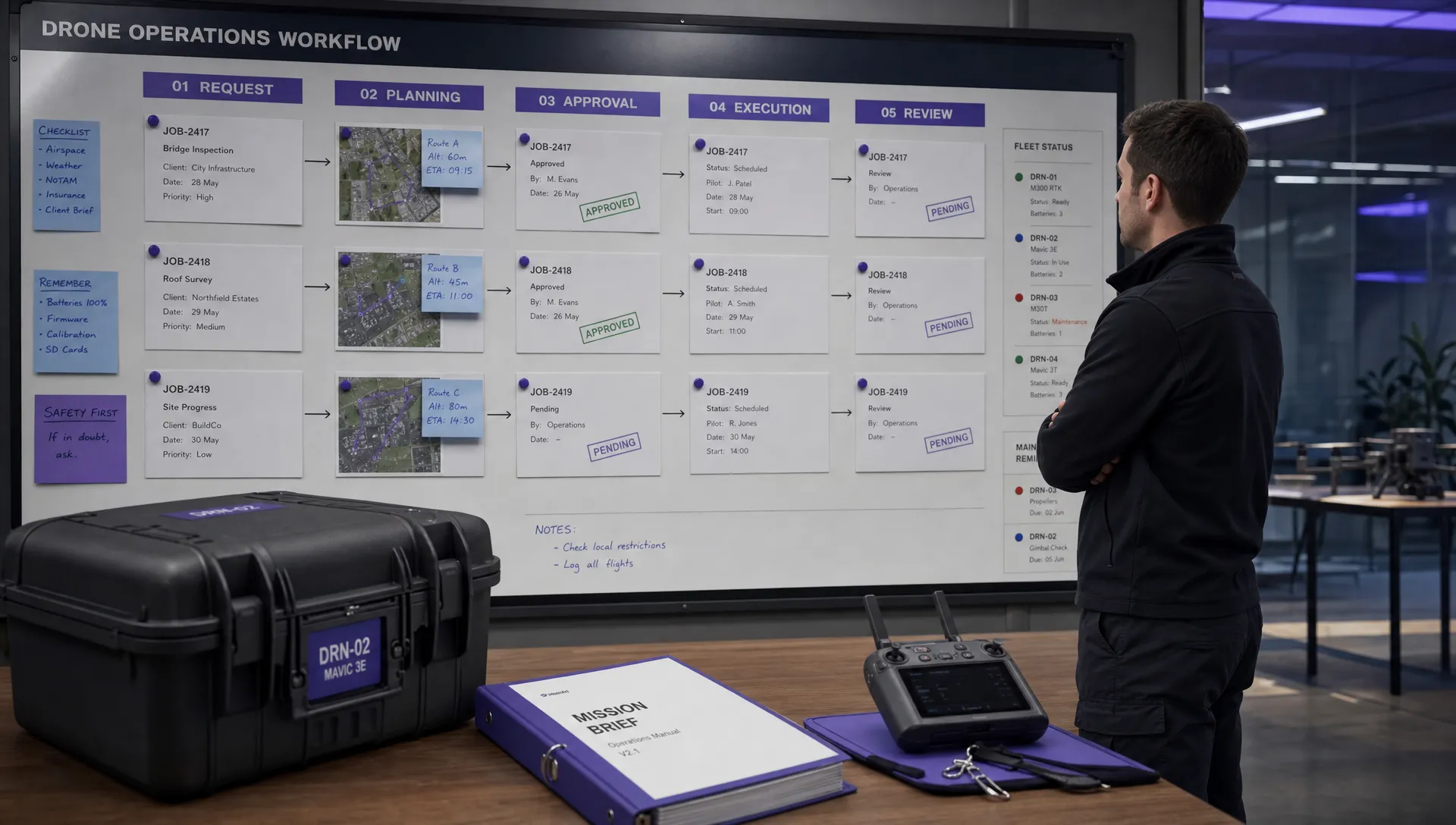
Dronedesk’s entire philosophy is built around creating a single, logical home where every part of a drone job just flows into the next. It’s more than just a list of features; it's a genuine end-to-end system for managing your workflow. The whole point is to cut out the administrative headaches that so many drone businesses get bogged down with, from the first client call right through to sending the final invoice.
The platform is designed to follow the natural life cycle of a drone job. A new client query turns into a project, which then moves through planning, flying, and invoicing. This tight integration means data doesn't get lost between different apps or spreadsheets—a familiar frustration for anyone trying to juggle multiple tools.
From Project Kick-off to Mission Launch
Picture this: you get an inquiry for a commercial roof survey. With Dronedesk, you log that lead straight into the system, creating one central record. From that single point, you can build out the entire project without ever having to switch screens. This covers everything from scheduling the job to assigning pilots and gear.
But the real magic happens when you get to the flight planning stage. Dronedesk pulls all your crucial pre-flight checks directly into the workflow. Instead of jumping between separate apps for weather, airspace checks, and risk assessments, it’s all right there in one place.
This user-focused design is a huge differentiator. By embedding safety and compliance checks right into the project timeline, Dronedesk makes them a natural step in the process, not a tedious chore. It dramatically cuts down on the admin time.
The platform’s muscle is especially clear in markets with heavy operational demands. Take the U.S. market, for example. It needs platforms that can handle complex workflows like barcode scanning, inventory management, and keeping track of remote pilot certifications. These are all areas where Dronedesk delivers.
Automated and Intelligent Flight Operations
Once a project is planned out, Dronedesk shines in simplifying what happens on-site and after the flight. Its flight logging is a perfect example. The system can automatically log entries, grabbing critical data without the pilot having to manually type it all in. This saves a ton of time and cuts down on human error.
This is a massive help for keeping accurate records for compliance and any internal audits. The platform doesn't just log flight times; it also tracks equipment usage, maintenance schedules, and pilot currency. It ensures every part of your operation is compliant and accounted for.
Here’s a look at the Dronedesk dashboard, which brings all your operational data together for a quick overview.

This unified view gives managers and pilots a complete picture of past, present, and future jobs, which is invaluable for making smart decisions on the fly.
Nailing Compliance and Asset Management
A key advantage when you compare Dronedesk with DroneHub is how it handles asset and personnel management. Every piece of kit—from drones and batteries to sensors and ground stations—can be tracked right inside the system.
This brings several big benefits:
- Maintenance Tracking: You get automatic alerts for scheduled maintenance. This keeps your fleet in top shape and helps prevent nasty surprises from equipment failure.
- Personnel Records: Manage pilot certifications, flight hours, and training records all in one spot. It makes assigning the right pilot to the right job a breeze and helps you prove due diligence.
- Resource Allocation: You can see at a glance which assets and pilots are free for upcoming projects, which helps you avoid scheduling conflicts and get the most out of your resources.
This deep integration of fleet and team management is at the heart of the platform's value. It means every operational decision is backed by real-time data on your available resources. For any business that wants to scale, this level of organisation isn't just a nice-to-have; it's essential for mastering UAV data collection and delivering reliable service. By automating these background tasks, Dronedesk frees up operators to focus on what they do best: flying missions and creating value for their clients.
Understanding the DroneHub Enterprise Ecosystem

While Dronedesk is all about creating a slick, all-in-one workflow for the typical drone business, DroneHub is built to tackle an entirely different beast. It's designed for the high-stakes, complex world of large-scale enterprise operations. For these users, things like deep integration, heavy customisation, and bulletproof data management aren't just nice features—they're fundamental needs.
Think of DroneHub less as a single product and more as a foundational ecosystem. Its entire architecture is geared towards organisations running huge drone fleets, often spread across different regions. This is where it really comes into its own, acting as the central nervous system for operations that involve intricate data flows between drones, pilots, and a central command post.
Powering Complex Missions and Data Streams
DroneHub shines when missions get really complicated. Forget a simple single-pilot survey for a moment. Instead, picture a major utility company inspecting hundreds of miles of power lines. An operation like that demands real-time data streaming from multiple drones at once, seamless integration with custom sensor payloads, and the ability to pipe that data directly into other corporate systems like asset management or GIS software.
This is DroneHub's natural habitat. Its design philosophy clearly favours flexibility and connectivity over the out-of-the-box simplicity that defines many other platforms. For the right kind of enterprise user, this is a massive advantage.
- Real-Time Situational Awareness: It’s built to give command centres live video and telemetry from numerous drones at once, offering a complete, real-time operational picture.
- Third-Party Hardware Integration: The platform is engineered to play nicely with specialised gear, from thermal and LiDAR sensors to custom-built drones, which is absolutely critical for industrial inspection and public safety work.
- API-First Approach: DroneHub typically provides powerful APIs, letting companies build custom bridges to their existing enterprise resource planning (ERP) or analytics platforms.
This focus means that when you compare Dronedesk with DroneHub, you're really looking at two different operational mindsets. One streamlines the workflow for the majority of drone businesses, while the other offers a robust toolkit for corporations with unique and demanding technical specs.
DroneHub is architected for the organisation that sees drone operations as a critical, integrated part of a larger technology stack. Its strength is not in simplifying a single workflow but in connecting a complex web of assets, data, and software.
Understanding the Ideal DroneHub User
The typical DroneHub customer is a large enterprise with a dedicated drone programme and an in-house technical team. These organisations usually have a pre-existing software ecosystem and need a drone management platform that can be woven deeply into their established processes. For them, the ability to customise isn't a "nice-to-have"—it's a core requirement.
Think about these kinds of users, who are a perfect match for what DroneHub offers:
- Multinational Energy Corporations: Managing global assets means you need a platform that can handle diverse regulatory landscapes, large teams, and highly specialised inspection payloads.
- Large Public Safety Agencies: Police or fire departments coordinating multi-drone responses during big emergencies need a centralised command system with rock-solid live streaming and data sharing.
- Logistics and Delivery Giants: Any company experimenting with drone delivery at scale needs a platform that can manage complex routing, real-time tracking, and integration with warehouse management systems.
For these users, the initial setup complexity and potentially higher costs are easily justified by the platform's raw power and adaptability. They aren't just investing in a piece of software; they're investing in a foundational component of their entire operational infrastructure.
This carves out a very distinct place for DroneHub in the market. While Dronedesk aims to be the go-to solution for the vast majority of commercial drone operators, DroneHub serves the top tier—where operational demands are as unique as the companies themselves. It’s a platform built for power users who need to bend the software to their will, not the other way around.
Comparing Core Operational Capabilities Head-to-Head
When you get down to a feature-by-feature comparison of Dronedesk and DroneHub, their different approaches to drone operations become crystal clear. It's not just about what they can do, but how they do it. Understanding these core differences—from planning a flight to managing the data afterward—is what will tell you which platform actually fits your daily workflow.
This quick overview gives you a snapshot of key metrics like cost, included flight hours, and support response times for both platforms.

The chart points to a classic trade-off. DroneHub's higher potential costs and generous flight hour limits are aimed at enterprise-level operations. Dronedesk, on the other hand, offers a more approachable price point and faster support, making it a solid choice for small to mid-sized teams.
To really see where they diverge, let's break down how each platform handles the critical tasks that make up a drone operation. The table below gives a direct comparison of their operational modules.
Operational Module Feature Comparison
| Operational Module | Dronedesk Approach | DroneHub Approach | Best For |
|---|---|---|---|
| Flight Planning | Integrated directly into the project management workflow. One seamless process from job creation to risk assessment. | A powerful, often separate module within a larger, highly customizable framework. Can integrate with third-party GIS. | Dronedesk: Solo operators and small teams needing speed and efficiency for standard jobs. DroneHub: Large teams running complex, multi-asset missions requiring specialized integrations. |
| Compliance & Risk | Baked into every step. Standardized risk assessments (SORA, etc.) are a required, non-negotiable part of mission creation. | Provides a flexible toolkit for logging compliance data, expecting the organization to define and enforce its own safety protocols. | Dronedesk: Businesses that want a guided, best-practice workflow to ensure nothing is missed. DroneHub: Enterprises with established, complex Safety Management Systems (SMS) and dedicated compliance teams. |
| Fleet & Asset Tracking | Comprehensive, built-in system. Automatically logs flight hours and sends alerts for scheduled maintenance on all assets. | Geared toward massive fleets and integration with enterprise asset management (EAM) software. Tracks assets across multiple sites. | Dronedesk: Operations that need a clear, auditable history for each piece of equipment without complex setup. DroneHub: Corporations needing high-level analytics on fleet utilization and integration with existing EAM systems. |
| Data & Reporting | Links all flight logs, media, and client reports directly to the original project file, creating a single source of truth for each job. | Functions as a robust data pipeline, built to move large datasets into corporate cloud storage or analytics platforms. | Dronedesk: Teams that need to quickly generate client deliverables and internal reports from a unified project file. DroneHub: Organizations that process huge volumes of data and need to pipe it into other business intelligence systems. |
As you can see, the choice isn't about which one is "better," but which one's philosophy aligns with how your business operates. Dronedesk is built around a guided, all-in-one workflow, while DroneHub provides a powerful, configurable toolkit for large-scale enterprise needs.
Flight Planning and Automation
Flight planning is where the rubber meets the road, and the two platforms couldn't be more different. Dronedesk weaves planning directly into its project management fabric. You can kick off a job, run airspace checks, pull up weather forecasts, and generate a risk assessment all in a single, fluid process. This design is all about speed and cutting down on admin headaches.
For a solo operator, this means you can go from a client call to a fully planned and compliant mission in just a few minutes. The system automatically pulls in the data you need, so you aren't constantly switching between different apps for airspace maps or weather data.
DroneHub, on the other hand, usually treats flight planning as a distinct module within a larger, customizable system. Its real power comes from handling complex, multi-asset missions where planning might involve hooking into third-party GIS systems or specialized sensor data. It’s incredibly powerful for specific use cases, but this modularity can add a layer of complexity to more straightforward jobs.
Compliance and Risk Management
Both platforms take safety seriously, but they go about it in very different ways. Dronedesk bakes compliance right into the workflow. Its real standout feature is the integrated risk assessment tool, which makes you complete standardized assessments (like SORA or your own company templates) as a mandatory part of creating a mission. This turns compliance into a documented, non-negotiable step for every single flight.
DroneHub’s approach is more flexible, built for enterprises that likely have their own complex Safety Management Systems (SMS) already in place. It gives you the tools to log and track compliance data but generally expects your organization to define and enforce its own risk mitigation procedures. This is perfect for corporations with dedicated compliance teams but can mean more manual work for smaller operators.
Key Differentiator: Dronedesk's philosophy is to guide users through a standardized, best-practice compliance workflow. DroneHub's philosophy is to provide a robust toolkit that enterprises can configure to match their existing, often highly customized, safety protocols.
Fleet and Asset Tracking
For any professional drone operation, knowing the status of your gear is vital. Dronedesk gives you a complete, built-in system for tracking every asset—drones, batteries, controllers, and payloads. It automatically logs flight hours against specific airframes and pings managers when maintenance is due.
This creates a clean, auditable history for every piece of equipment, which is invaluable for proving airworthiness and due diligence. For a medium-sized survey company, this means you know precisely when a drone needs servicing without having to rely on manual spreadsheets.
DroneHub also offers powerful fleet management, but its tools are often scaled for massive fleets and integration with enterprise asset management (EAM) software. It's brilliant at tracking assets across multiple sites or even countries and delivering high-level analytics on fleet usage to corporate stakeholders. The setup can be more involved, but for the right user, the potential for deep data integration is huge.
Data Management and Reporting
Once the flight is done, the data has to go somewhere. Dronedesk keeps this simple by linking flight logs, imagery, and client reports straight back to the original project file. This creates a neat, closed-loop system where everything related to a job is in one easy-to-find place, perfect for creating client deliverables or internal performance reports.
DroneHub, staying true to its enterprise focus, is all about robust data pipelines. It’s built to handle massive volumes of data—think real-time video streams or huge photogrammetry datasets—and pipe them into cloud storage or corporate analytics platforms. It’s less of an all-in-one reporting tool and more of a powerful data conduit for organizations processing information at scale.
Which Platform Fits Your Business Model?

Choosing between Dronedesk and DroneHub isn't about finding the "best" software. It's about matching a platform's philosophy to your real-world operations. A feature that’s a lifesaver for one business is just noise and clutter for another. To really see how Dronedesk stacks up against DroneHub, we need to get past the feature lists and look at how they perform in the wild.
Let's walk through three common business models. This should give you a much clearer picture of which system is genuinely built for someone like you.
The Solo Freelance Pilot
Picture a freelance pilot who makes a living from real estate photography and small-scale inspections. Their world revolves around speed, simplicity, and keeping admin to an absolute minimum. They're constantly juggling clients and tight deadlines, handling everything from quotes to invoices themselves.
For this operator, Dronedesk is the clear winner. Its end-to-end workflow is a perfect match. The ability to create a client record, plan the job, knock out automated risk assessments, fly the mission, and then fire off an invoice—all within one system—is a massive advantage. Everything is connected, which means less time on paperwork and more time in the air.
DroneHub, on the other hand, would be like using a sledgehammer to crack a nut here. Its focus on complex integrations and enterprise-level customisation would create more friction than it solves for a one-person show.
Key Takeaway: For solo operators and small teams, operational efficiency is everything. Dronedesk is designed to unify the entire job lifecycle, which dramatically cuts down on the administrative headaches that can hold a small business back.
The Mid-Sized Survey Company
Now, let's think about a survey or engineering firm with a team of five to ten pilots running multiple projects at once. Their main concerns are managing who's doing what, team collaboration, ensuring compliance is standardised, and having an auditable trail for every flight and piece of equipment.
In this situation, Dronedesk still has a strong advantage. Its fleet and team management features are built for exactly this kind of scale. A manager can easily assign pilots and gear to jobs, keep an eye on maintenance schedules, and make sure everyone follows the same compliance procedures with built-in risk assessments. It gives you a single, clear dashboard for everything that's happening.
DroneHub could certainly do the job, but its core strengths are less impactful here. While powerful, its ecosystem-first approach could add a layer of complexity that a team doesn't need when a guided, unified workflow would serve them better. If you operate at this scale, it’s smart to look at the whole market. You can find a good summary of the 7 best alternatives to DroneHub to see how different platforms are tailored to teams of various sizes.
The Large Enterprise Drone Program
Finally, imagine a multinational corporation with its own internal drone program inspecting critical infrastructure across different continents. This kind of operation needs a platform that can handle enormous amounts of data, plug into existing ERP systems, and work with specialised, custom-built hardware.
This is where DroneHub really shines. Its entire architecture is designed for this level of scale and customisation. The platform's main strength is its ability to build complex data pipelines, integrate with proprietary corporate software through APIs, and manage a huge, globally distributed fleet. An in-house tech team can shape DroneHub to slot perfectly into their existing technology stack.
For this type of user, Dronedesk’s all-in-one, standardised approach might feel a bit too rigid. The enterprise’s specific needs for deep integration and bespoke data handling are better met by DroneHub’s flexible, ecosystem-driven design.
Alright, let's cut to the chase. After digging into all the details, how do you actually pick between Dronedesk and DroneHub? The truth is, there’s no single "best" platform. The right choice isn't about which one has more bells and whistles, but about which one fits into your business like a missing puzzle piece.
Think of it this way: you wouldn't use a sledgehammer to hang a picture frame. This whole guide is designed to help you see Dronedesk and DroneHub not as rivals, but as two different tools for two very different jobs.
Your final call should come down to a hard look at your company's size, your team's technical skills, and where you want to be in a few years.
Finding Your Perfect Fit
The core differences between these platforms really do point to two distinct types of users. To make the right call, you need to be honest about what your daily operations actually look like.
- For the Solo Operator or Small to Medium Business: If your main goals are to get jobs done faster, slash the time you spend on paperwork, and keep everything in one tidy place, Dronedesk was built for you. Its strength is the all-in-one, guided system that just works.
- For the Large Enterprise: If you're juggling a huge, scattered fleet of drones, need to plug into your company's existing software (like SAP or Salesforce), and have the IT muscle to handle custom integrations, DroneHub is the obvious choice. Its power is in its sheer flexibility and ability to scale within a massive corporate ecosystem.
The Bottom Line: Your choice here is really a reflection of your business strategy. Dronedesk is about optimizing your workflow for peak efficiency and compliance, making it a brilliant engine for growth. DroneHub, on the other hand, is a powerful, customizable toolkit for big companies that need to weave their drone program into a much larger, complex digital fabric.
Looking at the cost makes this even clearer. Dronedesk’s pricing is straightforward and all-inclusive, giving you predictable value right out of the box. It’s a solid investment for businesses that need a clear ROI and operational simplicity. DroneHub's value really shows up at a much larger scale, where its deep integration capabilities make the potentially higher overall cost worth it.
Ultimately, the best platform is the one that gets out of your way, not one that adds another layer of complexity. Choose the system that lets your team do what they do best—fly safe, successful missions and get amazing results for your clients. When you match the platform’s philosophy to your own, you're not just buying software; you're investing in a smarter, more successful future for your drone business.
Frequently Asked Questions
When you're comparing drone management platforms, you eventually get down to the nitty-gritty. Let's tackle some of the common, practical questions that pop up when weighing Dronedesk against DroneHub, so you can make a final decision that feels right for your business.
How Does Dronedesk Handle Scalability?
Dronedesk is built to grow right alongside your business. It’s a perfect starting point for solo operators, but it has all the muscle needed to manage small-to-medium-sized teams without skipping a beat. Because it keeps your jobs, fleet, and team management all under one roof, you can add new pilots and drones without your admin processes falling apart.
But what if you're a massive, multinational enterprise with a huge fleet? That's where a platform like DroneHub really shines. It's engineered specifically for that kind of scale, focusing on complex, custom integrations into existing corporate software. Think of it this way: Dronedesk scales your operational efficiency, while DroneHub is built for scaling sheer asset numbers within a massive enterprise framework.
What About Data Security and Compliance?
Both platforms take security seriously, but they approach compliance from different angles. DroneHub offers a flexible toolkit that lets large organizations build and implement their own detailed security and compliance protocols. This is ideal for companies that already have dedicated compliance departments.
Dronedesk, on the other hand, takes a more guided approach. It embeds compliance checks, like risk assessments, directly into your daily workflow. This creates a standardized, auditable trail for every single mission, which is a huge advantage for businesses that need to prove due diligence without having to build a whole compliance system from scratch.
Staying compliant also means keeping up with the latest rules. For instance, knowing how FAA Remote ID can boost your drone business is critical. A platform that bakes regulatory awareness into its system gives you a real leg up.
Can I Integrate Dronedesk with My Existing Tools?
Dronedesk was designed from the ground up to be a comprehensive, self-contained system. The whole idea is to cut down on the need for other tools. It handles everything from managing clients to sending invoices.
While it doesn't offer the deep, API-driven custom integrations you'd find in an enterprise-level platform like DroneHub, its strength is its unified simplicity. For most operators, this eliminates the headache of juggling multiple apps just to get the job done.
Ready to see how an all-in-one platform can transform your operations? Dronedesk saves you time and reduces administrative headaches, letting you focus on what matters most—flying. Start your free trial today!
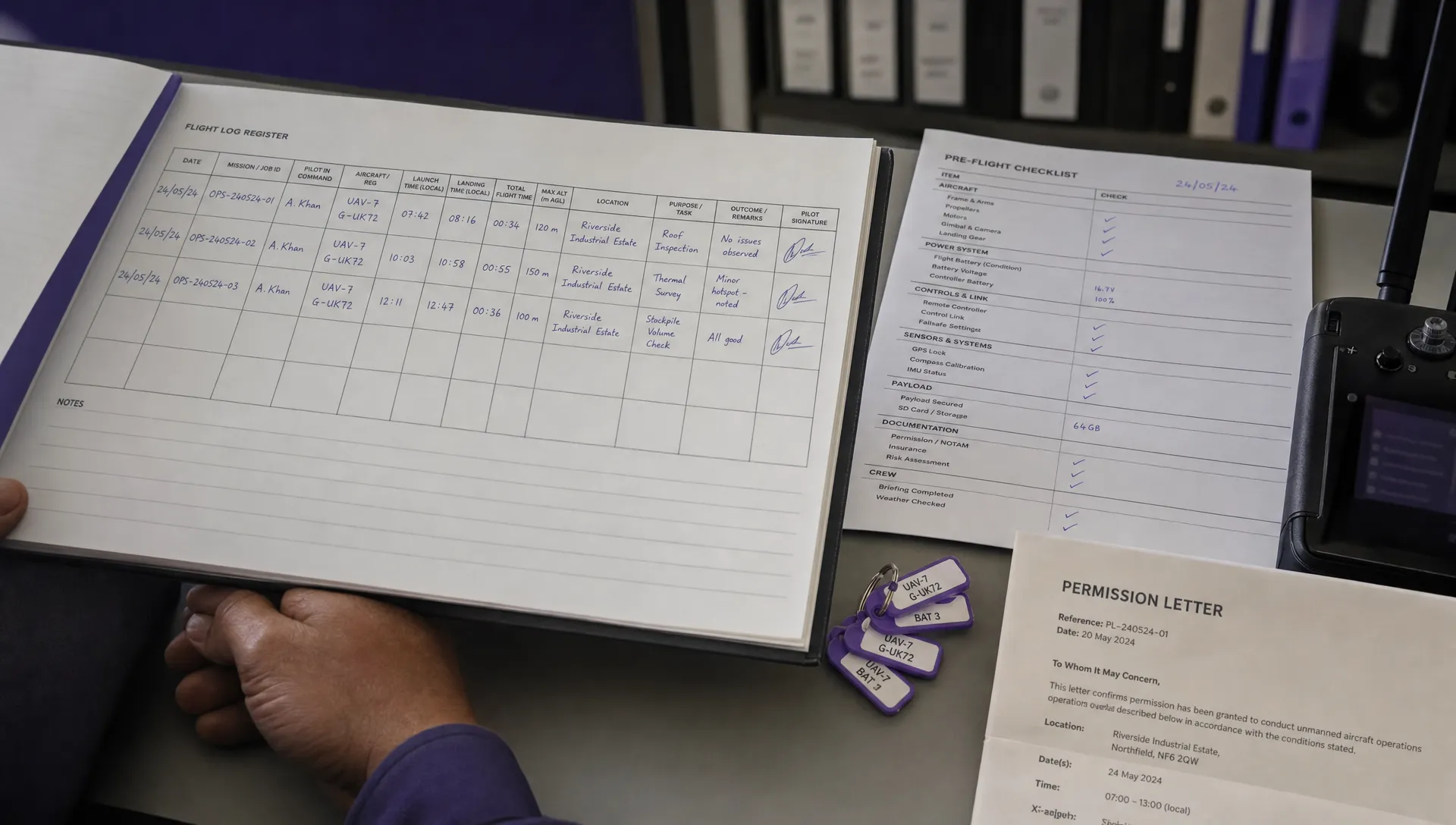 How to Build a Drone Pilot Flight Log That Is Audit Ready →
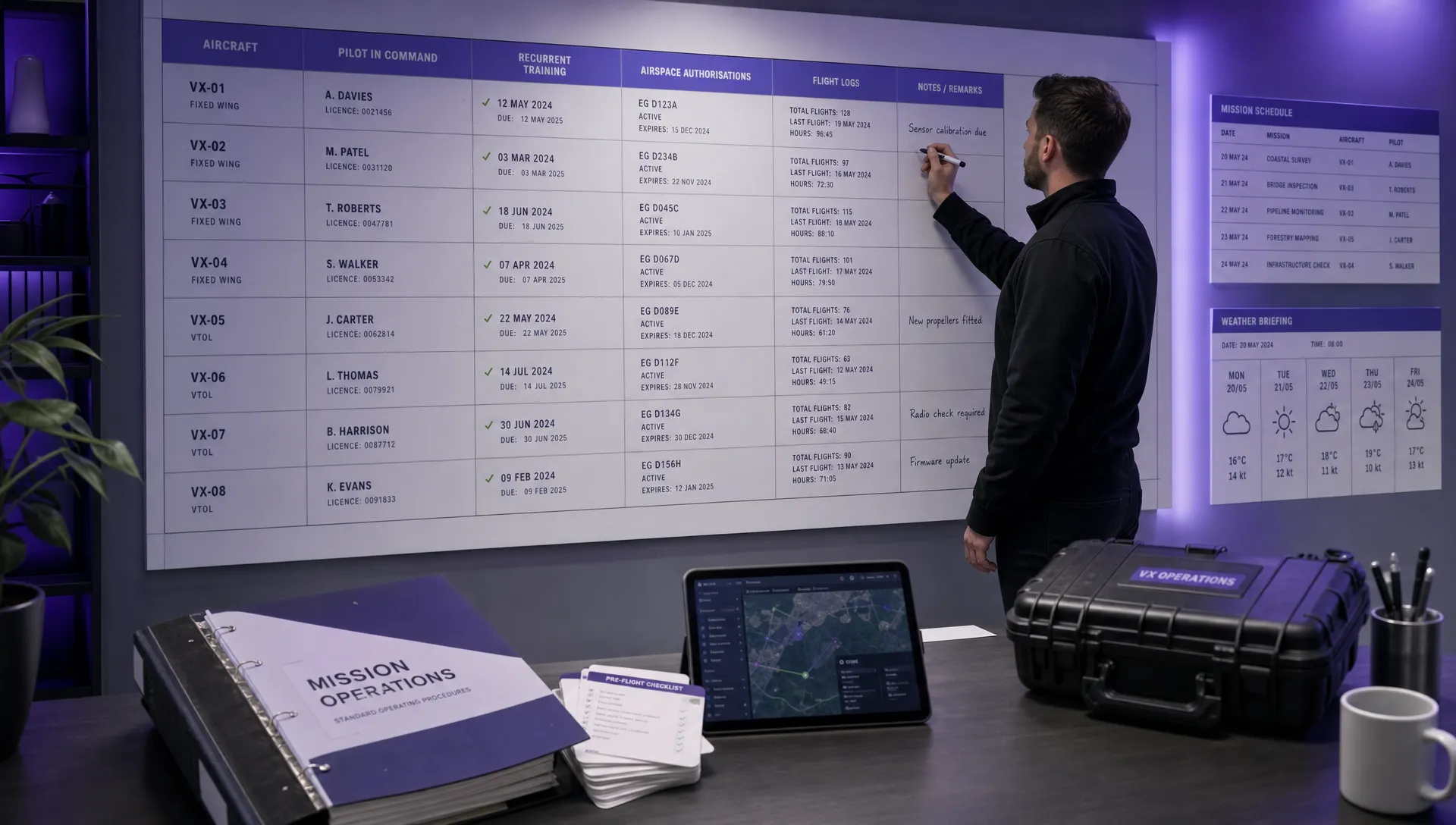 FAA Drone Licence Requirements for Commercial Pilots →
 FAA BVLOS Waivers Granted: What Successful Cases Show →
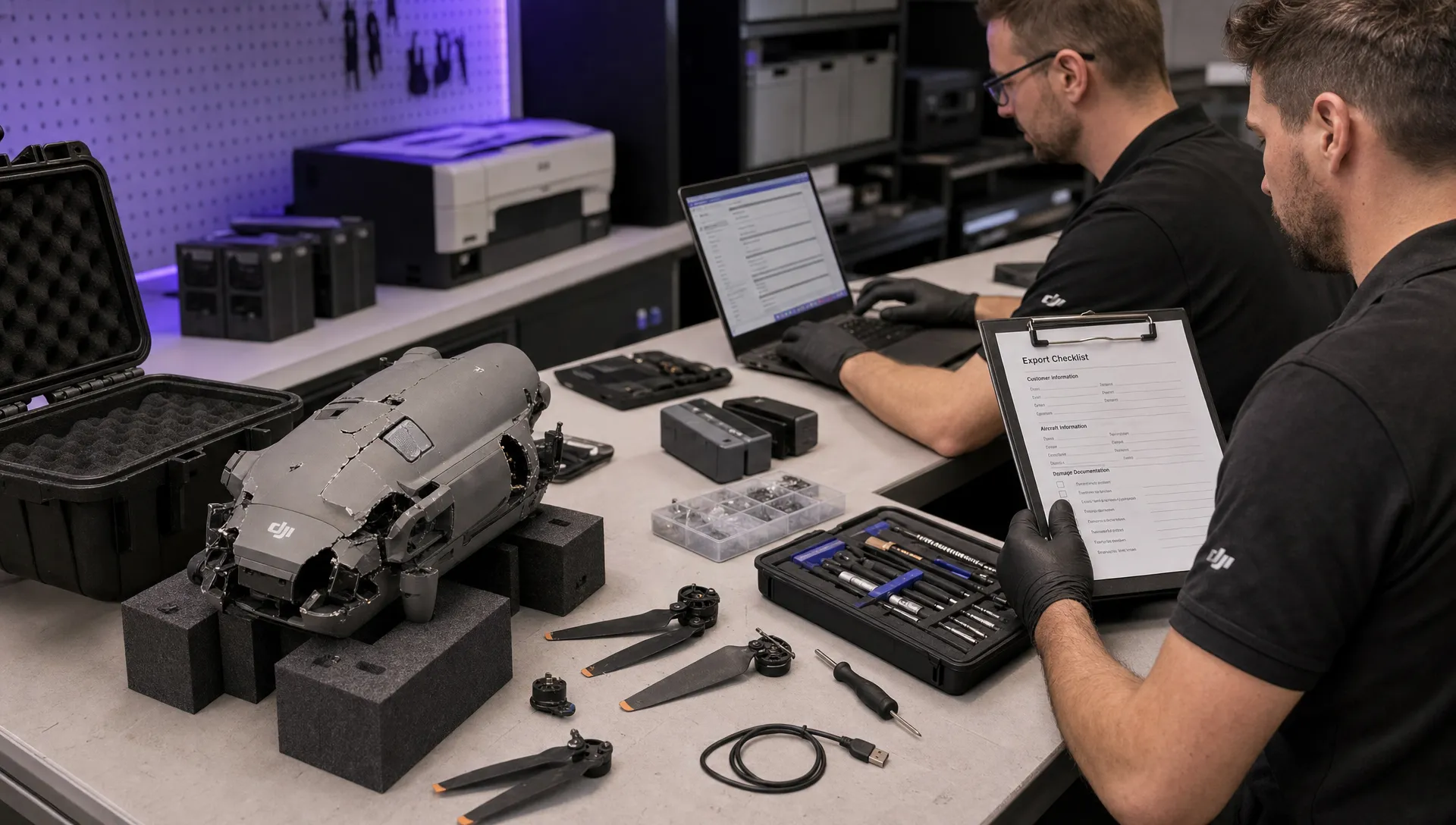 How to Export DJI Flight Logs for Incident Reviews →
 Drone Safety and Legal Duties for Business Operations →
 EASA Drone Regulations: Open, Specific and Certified Categories →
 What the BVLOS ARC Report Means for UAS Operators →
 Free Drone Pre-Flight Checklist for Commercial Missions →
 Contingency Volume and Flight Risk Buffer Explained →
 FAA Policy Changes That Commercial Drone Teams Should Track →