
Best best drones for cinematography - A Guide to Cine Drones
The best drone for cinematography is the one that fits your project perfectly. It could be the cinema-grade DJI Inspire 3 for a big-budget production, the versatile DJI Mavic 3 Pro for an independent film, or even a compact model like the DJI Mini 4 Pro for those nimble, on-the-fly shots. The real art is balancing your creative vision with the practical realities of the shoot.
The New Era of Aerial Filmmaking

Drones have completely upended modern cinematography. Gone are the days when getting an aerial shot meant booking a helicopter or a massive crane. Now, agile and powerful aerial platforms can deliver stunning quality for a fraction of the cost. This guide isn't just a list of specs; it's about a crucial idea: the "best" drone is entirely dependent on your project's creative goals, budget, and operational scale.
The market has exploded, reflecting this change in how we capture shots for film, TV, and advertising. The global photography and filming drone market hit an incredible USD 5,068.0 million and is expected to climb to USD 10,564.9 million by 2030. This boom is fuelled by drones replacing helicopters that once cost $1,000-$5,000 per hour. You can dig deeper into this market growth over at Grand View Research.
Understanding the Drone Tiers
To make sense of it all, let's break down the three main tiers of drones used in professional filmmaking. Knowing what each is built for is the first step to making the right call.
- Cinema-Grade: These are the heavy lifters. Think drones built to carry professional cinema cameras like a RED or an ARRI. They offer maximum creative freedom for high-end productions.
- Prosumer: These are the workhorses. High-performance, all-in-one systems that strike a brilliant balance between top-notch image quality and portability. Perfect for indie filmmakers and smaller crews.
- Compact: Small, lightweight, and discreet. These drones are ideal for tight spaces, travel docs, and social media content where getting the shot quickly and easily is the name of the game.
The real challenge isn't just buying the drone; it's building a workflow around it. When you match the right aerial platform to your specific filmmaking needs, your investment shows up on screen as compelling, professional-quality footage.
Drone Categories at a Glance
Each category has a clear purpose, and picking one means weighing up capability, cost, and complexity. For example, a Cinema-Grade drone gives you incredible image fidelity, but it requires a skilled crew and a deep understanding of regulations concerning drones and airspace.
| Drone Category | Primary Use Case | Key Advantage | Operational Complexity |
|---|---|---|---|
| Cinema-Grade | Feature films, high-end commercials | Interchangeable lenses, top-tier sensors | High |
| Prosumer | Independent films, documentaries, corporate | Excellent image quality in a portable form | Moderate |
| Compact | Social media, real estate, travel vlogging | Portability and discretion | Low |
Whether you're a solo creator or running a full production team, this guide will help you pair the right tool with your vision. We'll also touch on why operational platforms are so critical for managing your flights, staying compliant, and turning your creative ideas into professional, profitable work.
Decoding the Specs That Define Cinematic Drones
When you're picking a drone for cinematography, you have to look past the marketing hype. It's the technical specs that really determine what your final image will look like. Getting your head around how each part contributes to the overall quality is the only way to make a smart investment and capture truly stunning aerials.
It all begins with the heart of the camera: the sensor.
Camera Sensor, Lenses, Bitrates, and Codecs
The camera sensor is, without a doubt, the most important piece of the puzzle for image quality. Bigger sensors, like a Full-Frame or Micro Four Thirds (MFT), have physically larger pixels, which means they can suck in more light. The payoff is huge: better performance in low light, less digital noise lurking in the shadows, and a wider dynamic range. This gives you way more flexibility when you get to the color grading stage.
A smaller 1-inch sensor, which you'll find in many prosumer drones, is still incredibly capable. But push it in challenging light, and you'll see where it falls short compared to an MFT. That difference is often what separates good footage from genuinely cinematic work.
While the sensor lays the groundwork, interchangeable lenses are what give you real creative freedom. Being able to swap lenses lets you pick the perfect focal length for any shot, whether it's a wide, sweeping establishing shot or a tight, compressed telephoto look. This is a non-negotiable for high-end cinema drones.
Just as critical is how the drone actually records all that beautiful data from the sensor and lens. This is where bitrates and codecs come into play.
- Bitrate: This is the amount of data recorded every second, measured in megabits per second (Mbps). A higher bitrate—think 500 Mbps or more—means more detail and color information gets captured. This reduces those nasty compression artifacts and gives you a much cleaner image to work with in the edit.
- Codecs: This is the compression format for the video file. Most consumer drones use H.264/H.265. They’re efficient for storage, but they can be a real headache to edit. Professional workflows demand codecs like Apple ProRes, which hangs onto the maximum amount of image data. That makes color grading a much smoother and more powerful process.
When you see a drone that records in Apple ProRes 422 HQ, you know it’s built for serious post-production. It's a clear signal the manufacturer gets what professional cinematographers need: robust, data-rich files to craft a polished, high-end look.
To help you navigate these crucial specs, here’s a quick breakdown of what to look for and why it matters on a professional set.
Key Cinematography Drone Specifications Explained
| Specification | Why It Matters for Cinematography | What to Look For (Good/Better/Best) |
|---|---|---|
| Sensor Size | Larger sensors capture more light, improving low-light performance, dynamic range, and color depth. | Good: 1-inch Better: Micro Four Thirds (MFT) Best: Full-Frame / Super 35 |
| Lens Options | Interchangeable lenses provide creative control over focal length, aperture, and perspective. | Good: High-quality fixed lens Better: Limited interchangeable lenses Best: Wide range of compatible cinema lenses |
| Bitrate | Higher bitrates preserve more image detail, reducing compression artifacts for cleaner footage. | Good: 100-200 Mbps Better: 200-500 Mbps Best: 500+ Mbps or RAW recording |
| Codecs | Professional codecs (like ProRes) are less compressed, making color grading easier and more flexible. | Good: H.265 Better: Apple ProRes 422 Best: Apple ProRes 422 HQ / 4444 XQ / RAW |
| Gimbal Stability | A high-performance gimbal ensures smooth, stable footage, even with heavy payloads and aggressive maneuvers. | Good: Standard 3-axis gimbal Better: Reinforced gimbal for heavier lenses Best: Heavy-lift gimbal with advanced dampening |
| Payload Capacity | Determines the weight of the camera, lens, and accessories the drone can carry safely. | Good: Up to 1 kg Better: 1-5 kg Best: 5 kg+ for cinema cameras |
These specifications aren't just numbers on a sheet; they directly impact your creative possibilities and the final quality of your work.
Stability and Operational Essentials
A world-class camera is worthless if the footage is wobbly. The gimbal, that three-axis stabilization system, is what keeps the camera perfectly steady by absorbing vibrations and smoothing out every movement. Most modern gimbals are pretty fantastic, but the cinema-grade systems are engineered for incredibly precise, organic-feeling camera moves and can handle heavy camera packages without breaking a sweat.
Beyond the image, a few operational specs are absolutely critical on a professional set. Flight time is always a huge factor. More time in the air means fewer battery changes and a better chance of nailing that perfect shot. For a deeper dive into what affects a drone's endurance, check out our guide on maximizing drone flight time. A professional rig typically gets you 25-45 minutes of airtime, but that can change fast depending on the payload and weather.
Payload capacity is all about what you can fly. A drone with a high payload capacity can lift a proper cinema camera and lens, along with accessories like a follow focus system. This is what allows a drone to integrate smoothly into a larger film production’s existing workflow. The drone camera market, valued at USD 5.01 billion in 2025, is set to hit USD 11.55 billion by 2031, driven by the demand for better sensors, like the 32 MP models perfect for this line of work. You can find more details in the full market report on TechSci Research.
Finally, don't overlook redundancy systems. These are critical safety nets. Drones equipped with dual IMUs (Inertial Measurement Units), GPS modules, and batteries have built-in backups. If one component fails, another one kicks in instantly, dramatically cutting the risk of an in-flight disaster. When you’re flying expensive gear over a cast and crew, that’s not just a nice-to-have; it’s essential.
Comparing the Top Tiers: Cinema, Prosumer, and Compact
Picking the right drone for cinematography isn’t about chasing a single “best” model. It’s about matching the tool to the specific creative and logistical demands of your project. The drone world is broadly split into three tiers—Cinema-Grade, Prosumer, and Compact—and each one strikes a very different balance between image fidelity, operational complexity, and budget. Getting your head around these trade-offs is the first step to making a smart decision that actually elevates your production.
The market for these high-end aerial tools is booming. Professional camera drones, which are fast becoming the backbone of modern filmmaking, are expected to grow into a USD 7.65 billion market by 2032. This surge is all about the demand for flawless 4K/8K footage and rock-solid stabilization, cementing platforms from companies like DJI and Autel as essentials for everything from Hollywood features to indie shorts. You can get more insights on this growth over at Intel Market Research.
This decision tree gives you a great visual starting point for the choices you'll face, kicking off with lens options and branching into things like professional codecs and flight time.

As the flowchart shows, your workflow needs—like whether you absolutely need to shoot in ProRes—are just as important as the camera itself when picking your drone category.
The Cinema-Grade Tier: Uncompromising Quality
At the very top of the food chain, you have the Cinema-Grade drones. These aren't your typical all-in-one systems. They're heavy-lift platforms built to carry professional cinema cameras from names like ARRI, RED, and Sony. The DJI Inspire 3 is a fantastic example of a more integrated approach, packing a full-frame sensor and interchangeable lenses into a purpose-built aerial beast.
The main draw here is uncompromising image quality and creative control. By flying the same cameras and lenses you use on the ground, you guarantee a seamless visual match in post-production. For feature films, big-budget commercials, and TV series where visual consistency is everything, this is non-negotiable.
But this tier is not for the faint of heart. These are almost always dual-operator systems, needing a dedicated pilot and a separate camera operator. The crew size, insurance premiums, and logistics are on another level, making them a specialized tool for large-scale productions with the budget to match.
Situational Use Case: Picture a high-octane car chase for a Netflix show. The director needs specific focal lengths to match the A-camera and wants to shoot in 8K RAW for heavy VFX work. A heavy-lift drone carrying a RED Komodo is the only tool that can deliver on those strict requirements.
The Prosumer Tier: The Versatile Workhorse
The Prosumer tier has become the sweet spot for a huge number of professional filmmakers, and for good reason. Drones like the DJI Mavic 3 Pro strike an incredible balance between high-end features, portability, and cost. These machines manage to pack powerful sensors—often 1-inch or even Micro Four Thirds—into a foldable body you can throw in a backpack.
This category’s superpower is versatility. A single operator can get a prosumer drone in the air in minutes, capturing gorgeous ProRes footage that looks fantastic even on a big screen. You don't get the freedom to swap to any cinema lens, but models like the Mavic 3 Pro offer multiple built-in focal lengths, giving you plenty of creative choice without the headaches of a heavy-lift rig.
This makes them perfect for indie films, documentaries, corporate work, and high-end wedding films. They deliver about 80% of a cinema drone's image quality for a fraction of the cost and operational pain, making them the go-to for smaller crews and owner-operators. The trade-off is that final sliver of image fidelity and lens flexibility.
The Compact Tier: The Specialist Tool
Often overlooked, the Compact tier—home to drones like the DJI Mini 4 Pro—has carved out a crucial niche in professional work. These sub-250g aircraft aren't meant to be the A-camera on a film set, but their tiny size and quiet operation make them invaluable for specific shots that bigger drones just can't get.
Their key advantage is access and subtlety. Flying a Mini is far less intimidating and often falls under fewer regulations, letting you grab shots in tight urban spaces, indoors, or in sensitive locations where a bigger drone would cause a scene. They’re brilliant for quick establishing shots in cities, dynamic social media content, or for productions that need to fly under the radar.
The image quality from modern compact drones is surprisingly good, often offering 10-bit color that can be cut with footage from larger cameras, especially for web delivery. The limitations are their smaller sensors, which can struggle in low light, and their lower bitrates, which give you less room to play with in the color grade. They aren't a replacement for a prosumer drone, but they're an essential complementary tool for very specific jobs.
A Head-to-Head Situational Comparison
The best way to figure out which tier is right for you is to see how they stack up against a project's needs. Let’s break it down by a few common scenarios.
Cinematic Drone Tier Comparison by Use Case
To truly understand which tier fits your needs, let's compare them based on a typical project's requirements.
| Drone Category | Ideal for (Project Type) | Key Strengths | Typical Budget Range (Buy/Rent) | Crew Requirement |
|---|---|---|---|---|
| Cinema-Grade | Feature films, high-end commercials, VFX-heavy projects. | Maximum image fidelity with cinema cameras; interchangeable lenses. | Buy: $15,000+ Rent: $1,000+/day |
2+ (Pilot & Camera Op) |
| Prosumer | Independent films, documentaries, corporate, high-end events. | Excellent balance of image quality, portability, and cost. | Buy: $2,000 - $5,000 Rent: $200+/day |
1 (Solo Operator) |
| Compact | Social media, real estate, tight urban shots, discreet filming. | Portability, discretion, ease of use, fewer regulations. | Buy: Under $1,000 Rent: $75+/day |
1 (Solo Operator) |
In the end, the best drones for cinematography often involve using a combination of these tiers. A single production might use an Inspire 3 for the sweeping hero shots, a Mavic 3 Pro for the more nimble action, and a Mini 4 Pro for a quick, low-profile shot in a busy market. It all comes back to the story you need to tell and the resources you have to tell it.
Making The Right Choice: Buy, Rent, or Hire?
Deciding how to get the right aerial platform for your cinematography projects is a huge strategic call, and it goes way beyond the initial price tag. The choice between buying, renting, or hiring a pro crew is a careful calculation of your financial commitment, operational capacity, and long-term business goals. Each path has its own set of pros and cons that will directly impact your workflow and profitability.
Get this wrong, and you could end up with expensive gear gathering dust or find yourself scrambling for a drone on a tight deadline. But get it right, and you’ll perfectly align your operational needs with your financial reality, ensuring you have the best tools for the job without stretching your resources too thin.
Analyzing The Total Cost of Ownership
Buying a drone gives you immediate, anytime access, but the sticker price is just the tip of the iceberg. The Total Cost of Ownership (TCO) is the number you really need to be looking at, and it includes several ongoing expenses you can't ignore.
- Insurance: For commercial work, liability insurance is non-negotiable. A decent policy for a prosumer drone can run you $500 to $1,000 annually, and that number climbs fast for cinema-grade rigs carrying expensive camera payloads.
- Maintenance and Repairs: Drones are intricate machines that need regular TLC, from simple propeller swaps to complex gimbal calibrations. And let's not forget the unexpected crash that can lead to costly repairs and ground your operations when you least expect it.
- Software and Accessories: The essentials—high-quality ND filters, a stack of extra batteries, charging hubs, and a solid case—all add up. Expect to tack on an additional 15-25% to the initial purchase price just for the necessary extras.
- Depreciation: Drone tech moves at lightning speed. Today's top-of-the-line model can feel outdated in just two or three years, tanking its resale value and forcing another big capital investment to keep up.
The Flexibility of Renting
Renting is a fantastic alternative, especially for filmmakers who don't fly every day or need different drones for different types of projects. The main win here is getting your hands on high-end equipment—like a DJI Inspire 3—for a specific shoot without the crippling upfront cost.
Renting is an operational expense, not a capital one, which is great for managing cash flow. It also lets you test-drive different models to see what really fits your style, and you're always using the latest, perfectly maintained gear. The break-even point really boils down to how often you fly. If you need a drone for fewer than 20-30 days a year, renting is almost always the smarter financial move.
The buy versus rent debate really comes down to one thing: utilization. If a drone sits on your shelf for more than 80% of the year, it’s not an asset; it’s a liability. Renting lets you treat high-end drone tech as an on-demand service.
The Strategic Advantage of Hiring a Pro
The third option—hiring a professional drone pilot or a full aerial cinematography team—is often the most strategic move for productions that value expertise and efficiency above all else. This approach completely offloads the massive headache of equipment ownership, insurance, and legal compliance.
When you hire an experienced pilot, you’re not just getting a drone. You're bringing in a specialist who lives and breathes airspace regulations, risk assessment, and the fine art of capturing truly cinematic aerial shots. That kind of expertise can save you a ton of time on set and helps manage the significant risks that come with flying. When weighing up your options, it's vital to have a clear picture of the financial side of things; a good guide on understanding drone videography rates and costs can offer some much-needed financial context.
Ultimately, this decision is less about the drone itself and more about your business model. If you're a solo operator with a steady stream of work, buying might be a profitable long-term investment. But for production companies and independent filmmakers, the flexibility of renting or the specialized expertise of a hired pro often makes more sense, ensuring every dollar you spend directly boosts the quality of your final product.
Integrating Drones into Your Professional Workflow

Getting your hands on one of the best drones for cinematography feels great, but it's really just the beginning. The real challenge—and where you turn that investment into a real business—is building a solid professional workflow. It's about moving from a hobbyist mindset to a professional one, where safety, compliance, and efficiency are everything. This means navigating a pretty complex web of rules and logistics that you just can't afford to ignore.
The absolute foundation of any pro drone operation is staying on the right side of the law. These aren't just suggestions; they're hard rules for flying commercially. Get it wrong, and you're looking at hefty fines and putting your whole business on the line.
Mastering Legal and Compliance Essentials
Before a single propeller spins on a client's set, you need to have your legal house in order. This is the bedrock of a professional, insurable operation. It shows clients you're serious about safety and accountability.
Three things are non-negotiable:
- Pilot Certification: In the US, any flight for commercial purposes means the pilot needs an FAA Part 107 certificate. Period. This involves passing a tough exam on airspace, weather, and safe operating procedures. It’s the minimum entry ticket for any professional pilot.
- Airspace Authorization: You can't just fly wherever you feel like it. A lot of areas, especially near airports, are in controlled airspace. You are required to get authorization through systems like LAANC (Low Altitude Authorization and Notification Capability) to operate legally. Skipping this is a serious violation.
- Robust Liability Insurance: Flying uninsured is a massive gamble. A standard policy covering at least $1 million in liability is what the industry expects. This protects you, your client, and the public if an accident happens. In fact, many high-value clients won't even talk to you without proof of proper coverage.
Trying to juggle all this manually with spreadsheets and notebooks gets chaotic fast, especially as you take on more projects and clients. It's a recipe for mistakes. This is exactly why dedicated operational software isn't a luxury—it's essential.
Streamlining Operations with Management Platforms
A drone operations management platform like Dronedesk becomes the central hub for your entire business. It pulls you out of the mess of scattered documents and paper logs into one cohesive system built for professional pilots. This isn't just about making admin easier; it's about embedding safety and compliance into every single flight.
These platforms are designed to solve the real-world problems cinematographers run into daily. They offer integrated tools that handle a project's entire lifecycle, from the first call with a client right through to submitting the final flight log.
A drone management platform automates the administrative grind, freeing you up to focus on the creative side of filmmaking. It turns compliance from a constant headache into a seamless part of your workflow, making sure every flight is safe, legal, and documented.
From Planning to Post-Production
The real magic of an ops platform is how it ties everything together. It creates a single source of truth for every job, which boosts safety, keeps regulators happy, and makes client communication a breeze.
Here’s how it transforms your day-to-day:
- Integrated Flight Planning: Tools like Dronedesk automatically pull in critical data like airspace maps, weather forecasts, and ground hazards. This lets you knock out thorough pre-flight risk assessments and create detailed, compliant flight plans in a fraction of the time.
- Automated Logging and Reporting: Logging flights by hand is a pain and often inaccurate. A management platform automates this, often syncing with your drone to record flight times, locations, and battery data. These logs are gold for compliance and keeping track of maintenance.
- Client and Fleet Management: As your business grows, you'll be managing more clients, projects, and drones. A central system keeps all job details organized, stores client info, and tracks the status of your gear, so nothing ever slips through the cracks.
Ultimately, bringing a platform like this into your workflow is about future-proofing your business. It gives you the structure you need to grow your operations safely and efficiently. Once the flight is done and logged, the next step is to turn that beautiful raw footage into a polished final cut. For a deep dive into that part of the process, check out our guide to the top drone video editing software.
Frequently Asked Questions About Cinematography Drones
Diving into the world of professional drone cinematography brings up a lot of questions that go way beyond just picking the right aircraft. Here are some of the most common ones I hear from filmmakers and pilots, with straight answers to help you operate safely, legally, and effectively.
Do I Need a License to Fly a Drone for Cinematography?
Yes, you absolutely do. Flying a drone for any kind of commercial work—whether that’s for a paid client or even monetized YouTube content—is a professional operation, and that requires legal certification. This isn't a gray area; it's a hard-and-fast rule.
In the United States, you’ll need to get a Part 107 Remote Pilot Certificate from the FAA. To get it, you have to pass a knowledge exam covering critical topics like aviation regulations, weather, and safety procedures.
Don't even think about skipping this. Flying commercially without the right credentials can land you in some serious legal trouble with hefty fines. This is where a professional management platform really shines, letting you track certifications for your whole team to make sure everyone is compliant and ready for any job.
What Is More Important for Video: Sensor Size or Megapixels?
This is a classic question, and for high-quality video, sensor size almost always wins over megapixels. It's a fundamental concept in digital cinematography that has a massive impact on your final footage.
Think of it this way: a larger sensor (like a 1-inch, Micro Four Thirds, or Full-Frame) has physically bigger pixels. These larger pixels can gulp in significantly more light.
This gives filmmakers three huge advantages:
- Superior Low-Light Performance: Your footage will look cleaner with far less digital noise when you're shooting in tricky light, like at dawn, dusk, or indoors.
- Wider Dynamic Range: The camera can see more detail in both the brightest highlights and darkest shadows. No more blown-out skies or crushed blacks.
- Greater Post-Production Flexibility: All that rich data from a larger sensor gives you much more room to play when color grading and making adjustments in post.
While a high megapixel count is great for snapping detailed photos, a bigger sensor will give you that cleaner, richer, more cinematic video image every time.
The choice between sensor size and megapixels isn't just technical; it's creative. A larger sensor hands you a more forgiving image, letting you push the colors and exposure in post to nail the exact look your story needs.
How Much Should I Budget for Drone Insurance?
Drone insurance isn't just a nice-to-have; it's an essential, non-negotiable cost for any professional cinematography work. The price you'll pay can vary quite a bit, depending on the drone's value, how much liability coverage you need, and your flight history.
As a ballpark, for a capable prosumer drone like a DJI Mavic 3 Pro, an annual liability policy with $1 million in coverage will likely run you somewhere between $500 and $1,000. If you're flying a high-end cinema drone carrying an expensive camera package like a RED or ARRI, expect that cost to be substantially higher.
Many insurers now offer on-demand or hourly policies, too. This can be a smart, cost-effective route for pilots who fly less frequently or just need to cover a specific, high-stakes project.
Can I Use a Compact Drone for Professional Client Work?
Yes, you can, but it's all about understanding the context and the drone's limitations. Compact drones under 250g, like the DJI Mini series, have become incredibly capable little powerhouses for professional cinematographers.
Their small size and low weight mean they often face fewer regulations, making them easier to fly in certain spots—especially in cities or near people. The image quality from the latest models is genuinely impressive and more than good enough for many professional jobs, including:
- Social media content
- Website videos
- Real estate walkthroughs
- Event coverage for web delivery
However, when you're talking about high-end productions destined for the big screen, their smaller sensors and lower recording bitrates might not meet the strict technical delivery specs some clients demand. A compact drone is an excellent, versatile tool to have in your kit, but it’s probably not going to be your A-camera on a major film project.
Take control of your entire drone operation—from flight planning to compliance logging—with Dronedesk. Our platform is built to eliminate administrative headaches, so you can focus on capturing stunning cinematic shots. Plan, fly, and manage your jobs more efficiently by visiting https://dronedesk.io to see how we can elevate your professional workflow.
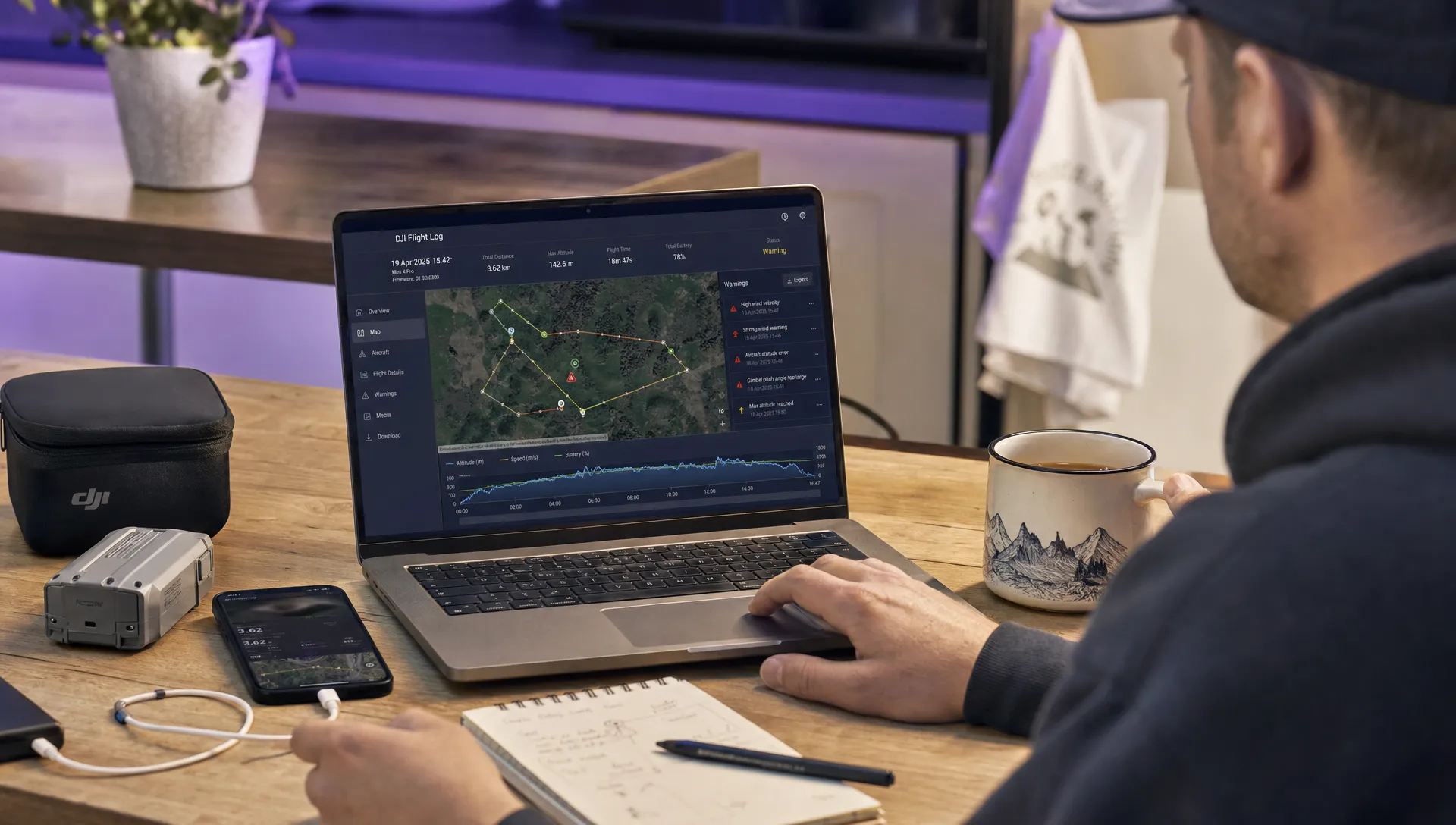 How to Review a DJI Flight Log After an Unexpected Event →
 Drone Laws Around the World: A Pre-Flight Research Framework →
 How to Compare Drone Survey Services for Complex Sites →
 How to Start a Drone Mapping Business With a Clear Workflow →
 Class C Airspace Drone Rules for Commercial Flights →
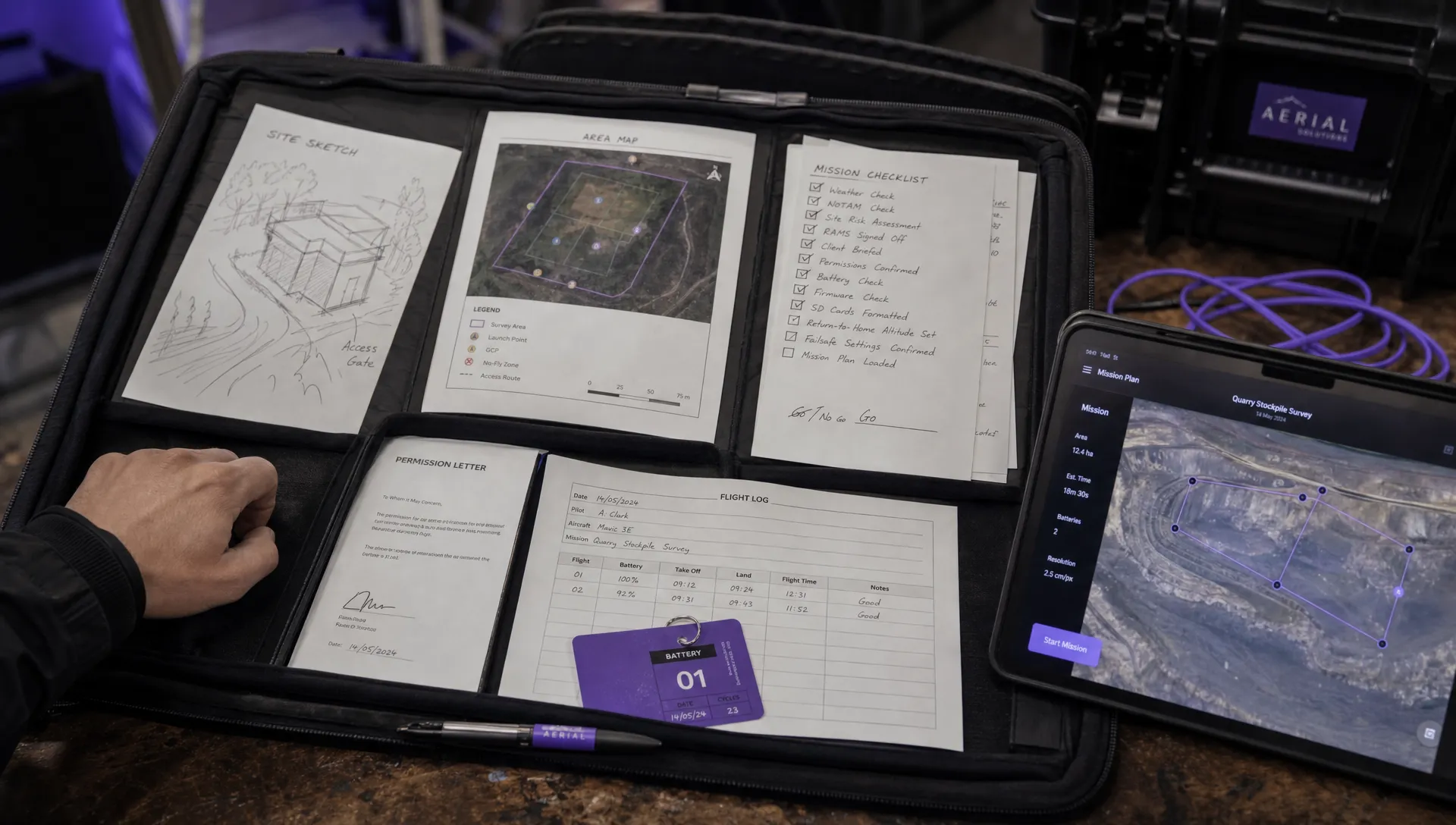 How to Create a Drone Job Pack for Every Mission →
 FAA Small UAS Rule: Key Requirements for Operators →
 How to Build a Drone Pilot Flight Log That Is Audit Ready →
 FAA Drone Licence Requirements for Commercial Pilots →
 FAA BVLOS Waivers Granted: What Successful Cases Show →