
Automated Drone Operations - 5 Features to Choose in a Modern Platform
The drone industry is soaring, but manual planning and compliance checks are holding businesses back. The secret to scaling isn't just more drones-it's smarter operations. Automated drone operations, powered by a sophisticated drone management platform, are the new standard for safety, efficiency, and compliance. But with a crowded market, how do you identify a platform that truly delivers?
This guide cuts through the noise. We will explore the five non-negotiable features that define a modern, effective drone management platform, ensuring your investment translates into tangible results, reduced administrative burdens, and a future-proof operational workflow. Each feature review will include screenshots and direct links to platforms like Dronedesk, DroneDeploy, and FlytBase, helping you compare solutions directly. To fully grasp the transformative power of a drone management platform, consider how embracing advanced field service automation tips can revolutionize your entire operational approach.
Get ready to transform your drone program from a complex series of tasks into a streamlined, automated powerhouse. Below are the critical capabilities that solve the biggest administrative headaches and unlock scalable growth for solo operators and enterprise teams alike. We'll detail how these features work, providing actionable insights to help you make an informed decision.
1. Integrated End-to-End Workflow Management
True automated drone operations are not achieved through a collection of disconnected apps and spreadsheets. Genuine efficiency comes from a single, unified system that manages the entire operational lifecycle from the first client interaction to the final invoice. This is why an integrated, end-to-end workflow is the most critical feature to look for in a modern drone management platform.
A superior platform eliminates data silos and the tedious, error-prone task of manual data re-entry. It connects every stage of your business: client relationship management (CRM), project creation, team scheduling, equipment tracking, pre-flight planning, risk assessments, flight logging, and financial reporting. When these modules communicate seamlessly, you automate the entire business process, not just the flight itself.
Dronedesk: A Case Study in Unified Operations
Dronedesk (https://www.dronedesk.io/) stands out by building its entire platform around this holistic philosophy. It serves as a central hub for your entire drone business, transforming disparate tasks into a fluid, automated sequence.
When a new job is registered in Dronedesk, it doesn’t just create a calendar entry. The system links it to your client database, allows you to assign specific pilots and drones from your managed fleet, and automatically flags potential scheduling conflicts or upcoming equipment maintenance. This information then flows directly into the flight planning module.
The platform pulls the project data, combines it with location-specific airspace intelligence and weather forecasts, and helps generate a comprehensive, compliant flight plan and risk assessment in minutes. Post-flight, logs can be synced automatically, especially with its deep DJI integration. From there, generating operational reports for compliance or creating invoices for clients becomes a simple, one-click process.
Actionable Insight: Evaluate platforms based on their ability to handle the complete business cycle. Before committing, ask yourself: can I manage a new lead, assign resources, plan a compliant flight, log the mission, and bill the client all within this single system? This capability is the bedrock of scalable and profitable drone operations. Users consistently report that Dronedesk’s integrated approach cuts their administrative and planning time by 50% or more, freeing them to focus on flying and growing their business.
2. Advanced Mission Planning and Multi-Modal Support
Modern automated drone operations extend far beyond simple point-to-point flights. True automation requires a platform that can handle complex mission logic and manage a diverse fleet, including ground and marine vehicles. This is where advanced mission planning and multi-modal support become indispensable, allowing operators to execute sophisticated tasks across different environments from a single command center.
A leading platform must provide tools for detailed waypoint navigation, automated camera actions, and custom geofencing. Crucially, it should not be limited to aerial drones. The ability to integrate and control Unmanned Ground Vehicles (UGVs) and Unmanned Underwater Vehicles (UUVs) alongside UAVs from one interface is a game-changer for industries like security, logistics, and large-scale environmental monitoring. This unified approach streamlines complex, multi-domain operations.

Autrik: A Case Study in Multi-Domain Command
Autrik (https://autrik.com/?utm_source=openai) excels by offering a powerful operations center designed for multi-modal fleet management. Its strength lies in its ability to plan, execute, and monitor complex missions for aerial, ground, and marine drones, making it a versatile solution for diverse operational needs. The platform supports a wide range of autopilot systems, including ArduPilot, PX4, and DJI, ensuring broad hardware compatibility.
Within Autrik, users can design intricate mission plans with precise waypoints, trigger-based camera actions, and dynamic geozones. For a security application, this could mean an aerial drone patrols a perimeter while automatically dispatching a ground vehicle to investigate an anomaly it detects. All vehicle telemetry is streamed live to a central dashboard, providing complete situational awareness.
Post-mission, Autrik’s centralized data management capabilities come to the forefront. It can automate photogrammetry processing and provides comprehensive analysis tools, turning raw data into actionable intelligence. The platform’s flexible deployment options, including cloud, on-premise, or fully air-gapped systems, cater to organizations with strict security and data privacy requirements. While pricing is available only upon request, its extensive feature set positions it as a premium solution for sophisticated drone programs.
Actionable Insight: Assess your future operational needs. Will your missions require more than just aerial data capture? Platforms like Autrik provide a future-proof foundation by supporting multi-domain vehicle control. When evaluating, ask if the system can integrate with different autopilot types (like PX4 and ArduPilot) and manage ground or marine assets. Embracing this level of AI and automation early can significantly expand your service offerings and operational efficiency. Learn more about how AI and automation are reshaping drone operations on our blog.
3. Real-Time Data and Beyond Visual Line of Sight (BVLOS) Capability
True automated drone operations go beyond pre-programmed flight paths; they involve real-time data processing and the ability to operate safely over long distances. Modern platforms must empower operators with immediate insights and the technological framework for advanced operations like Beyond Visual Line of Sight (BVLOS). This capability unlocks new efficiencies, from large-scale agricultural monitoring to extensive infrastructure inspections, where direct line-of-sight is impractical.
A platform that prioritizes real-time data streaming and advanced command-and-control unlocks the full potential of your drone hardware. It transforms a simple aerial camera into a dynamic, remote-sensing tool capable of delivering actionable intelligence as it happens. When combined with certified hardware for BVLOS, it pushes operational boundaries, allowing for missions that were previously impossible, unsafe, or cost-prohibitive.

Botlink: A Case Study in Advanced Connectivity
Botlink (https://botlink.com/) is a leader in this domain, offering a powerful combination of automated flight software and pioneering BVLOS technology. Its ecosystem is designed to deliver immediate data and enable safe, long-range missions through its innovative cellular network integration. This makes it a go-to platform for industries like agriculture, construction, and energy that require vast area coverage.
At the core of its advanced offerings is the Botlink XRD2 system, which provides command and control over cellular networks, a critical component for BVLOS flight. Paired with the Capture Flight App for automated flight planning, operators can execute complex missions while receiving real-time telemetry and data. Post-flight, platforms like InSites and PitPartner process this data into high-definition maps, 3D models, and vegetation health indices, turning raw aerial imagery into critical business intelligence.
Actionable Insight: When evaluating a platform's data capabilities, look beyond simple flight logging. Ask if it supports real-time data feeds and offers a clear pathway to advanced operations like BVLOS. Botlink's user-friendly interface makes complex data collection accessible, while its XRD2 hardware provides a future-proof solution for organizations aiming to scale their operations to cover larger areas. While pricing requires a direct inquiry, the investment is in a platform built for the future of commercial drone use.
4. Scalability and Hardware Agnosticism
As your drone program grows, so do your operational complexities. What works for a single pilot with one drone becomes unsustainable for a team managing a diverse fleet across multiple locations. True automated drone operations require a platform that scales with your business, supporting everything from a single drone to a vast, interconnected network of drones and docking stations without being locked into a single hardware manufacturer.
A scalable, hardware-agnostic platform provides the ultimate flexibility. It allows you to select the best aircraft and payloads for each specific job, rather than forcing you to conform to a limited ecosystem. This ensures your technology investments remain future-proof, enabling you to integrate new, more advanced drones as they become available. This adaptability is key to maintaining a competitive edge and maximizing your operational capabilities.

FlytBase: A Case Study in Enterprise Autonomy
FlytBase (https://www.flytbase.com/?utm_source=openai) excels by providing an enterprise-grade drone autonomy platform built for scalability and hardware independence. It is designed to automate complex, routine operations, including Beyond Visual Line of Sight (BVLOS) missions, by seamlessly integrating with a wide variety of drones, docking stations, and third-party applications.
The platform's architecture allows you to manage and control a single drone or an entire fleet from a centralized dashboard. Its hardware-agnostic approach means you can operate drones from leading manufacturers like DJI, Parrot, and others alongside various payloads and charging docks. This interoperability is crucial for enterprises that need specialized tools for different tasks, such as security patrols, infrastructure inspection, or emergency response. The Flinks App Library further extends its power, allowing for deep integration with existing enterprise systems. This robust approach to organizing information is a hallmark of good data management software, ensuring all operational data is handled effectively.
Actionable Insight: Before selecting a platform, audit your current and future hardware needs. Ask potential providers about their support for specific drone models, payloads, and drone-in-a-box systems you plan to use. FlytBase's strength lies in its customization and powerful integration capabilities, though this may require some technical expertise to fully leverage. For large-scale or complex drone programs, its focus on security, compliance, and automation provides a powerful foundation for growth. For more details on managing a diverse set of aircraft, explore this guide to drone fleet management software.
5. Precise 3D and Point Cloud-Based Mission Planning
Standard 2D mission planning is sufficient for simple, top-down flights, but it falls short when navigating complex, three-dimensional environments like cell towers, building facades, or intricate industrial sites. For true automated drone operations in these scenarios, you need a platform that thinks, sees, and plans in 3D. This advanced capability allows for unparalleled precision, safety, and data quality by enabling the drone to navigate complex geometries autonomously.
A platform with superior 3D planning capabilities moves beyond simple waypoints on a flat map. It uses digital elevation models, 3D building models, or even imported point clouds to create flight paths that perfectly match the contours of the asset being inspected. This ensures consistent sensor distance, optimal camera angles, and comprehensive coverage, eliminating manual flight errors and the need for costly re-flights.

Drone Harmony: A Case Study in 3D Automation
Drone Harmony (https://droneharmony.com/) excels by making sophisticated 3D flight planning accessible and powerful. It is purpose-built to automate data acquisition around complex vertical infrastructure, transforming what would be a challenging manual flight into a repeatable, automated mission. The platform's strength lies in its "scene-centric" workflow, where pilots plan flights around a digital twin of the target asset.
For example, when inspecting a bridge, you can import a 3D model or point cloud of the structure directly into Drone Harmony. The platform’s Automated Mission Planning Catalog offers pre-defined flight patterns optimized for specific asset types, like "Tower Scan" or "Facade Inspection." Pilots can select a pattern, apply it to the 3D model, and the system automatically generates a collision-free, optimized flight path that guarantees complete coverage.
This is especially powerful for recurring inspections. Once a flight plan is created for a specific asset, it can be saved and re-flown with precision months or years later, providing perfectly aligned data for change detection and analysis. The multi-platform support across web, mobile, and DJI Smart Controllers ensures seamless planning and execution from the office to the field.
Actionable Insight: When your operations involve anything more complex than flat terrain, demand a platform with robust 3D planning. Ask potential providers: can I import a point cloud or KML file to plan a flight? Can your software automatically generate a safe flight path around a 3D model of a cell tower? Drone Harmony’s approach significantly reduces the risk of pilot error and collision in complex environments while increasing data consistency, a critical factor for high-value inspection and mapping projects.
6. FlyFreely
FlyFreely (https://flyfreely.io/?utm_source=openai) offers a comprehensive platform designed to streamline drone operations with a strong emphasis on compliance and safety. It caters to a wide range of users, from solo pilots to large enterprise teams, by providing robust tools for mission planning, flight logging, and fleet management. The platform’s core strength lies in its ability to simplify complex regulatory requirements into automated, user-friendly workflows.

The platform stands out with its simplified, single-page mission planning interface, which consolidates all necessary details, from risk assessments to airspace authorizations, in one view. This is a significant advantage for pilots who need to plan missions quickly and efficiently without navigating multiple screens. Another key differentiator is its robust offline functionality, allowing teams to access mission plans and log flights even in remote locations without internet connectivity, ensuring data integrity regardless of the operational environment.
A Closer Look at FlyFreely's Features
FlyFreely’s approach to automated drone operations centers on making compliance an integral, yet unobtrusive, part of the workflow. The system automates the generation of regulatory paperwork and ensures that all missions adhere to local aviation rules, a critical feature for commercial operators.
The automated flight logging syncs directly with popular drone models, reducing the administrative burden on pilots and ensuring accurate data collection. This data then feeds directly into the maintenance module, which tracks flight hours and component usage to schedule proactive maintenance. This prevents equipment failures and extends the life of the fleet. The user experience is consistently praised for its intuitive design, making it accessible for novice pilots while still offering the depth required by experienced professionals.
- Pros: Strong focus on safety and compliance, user-friendly interface for all skill levels, excellent offline capabilities for remote work.
- Cons: Pricing is not publicly available and requires a direct inquiry, and some niche industries might require platform customization for optimal use.
Actionable Insight: If your operations frequently take you to remote areas with unreliable connectivity, prioritize a platform with strong offline functionality like FlyFreely. Before committing, request a demo to see how its single-page mission planner can accelerate your pre-flight process. Inquire directly about their pricing structure and ask how the platform can be tailored to meet any unique compliance needs specific to your industry, ensuring it's a perfect fit for your operational scale.
7. DroneDeploy
DroneDeploy (https://www.dronedeploy.com/) is a leading reality capture platform that transforms job sites into comprehensive digital twins. It excels in providing a unified solution for drone mapping, site documentation, and operational management, making it a powerful choice for industries like construction, agriculture, and energy that rely heavily on visual data and analytics.

The platform's strength lies in its ability to centralize and unify data from multiple sources, including drones, 360° cameras, and ground robots. This allows teams to organize, share, and analyze site data collaboratively, breaking down information silos between the field and the office. Its focus on real-time data, through features like Live Stream, gives stakeholders an immediate view of site conditions for faster, more informed decision-making.
Key Features and User Experience
DroneDeploy is built around a user-friendly interface that caters to both novice pilots and experienced operations managers. Its core functionalities are designed to streamline complex data capture and analysis workflows.
- Drone Program Management: Provides oversight for pilots and operations, ensuring consistency and safety across all projects.
- Centralized Data Platform: Acts as a single source of truth for all site data, making it easy to track progress and compare datasets over time.
- Live Streaming: Offers real-time views from drones on-site, enhancing situational awareness and remote collaboration.
- Compliance Tools: Includes features like custom pre-flight checklists to help maintain safety and regulatory standards. Explore more about how platforms can enhance regulatory compliance on the Dronedesk blog.
The platform is praised for its intuitive design, but users should note that pricing is not publicly listed and requires direct contact for a quote. Additionally, some advanced features may depend on specific hardware integrations.
Actionable Insight: DroneDeploy is an excellent choice for organizations whose primary goal is reality capture and site analysis. If your operations are centered on creating detailed maps, 3D models, or conducting virtual inspections, evaluate how its data unification and live-streaming capabilities can enhance your team's efficiency. Before committing, request a demo to understand how it integrates with your existing hardware and workflows, ensuring it meets your specific data-centric needs.
Feature Comparison of Top 7 Drone Platforms
| Platform | Implementation Complexity 🔄 | Resource Requirements ⚡ | Expected Outcomes 📊 | Ideal Use Cases 💡 | Key Advantages ⭐ |
|---|---|---|---|---|---|
| Dronedesk | Moderate; feature-rich with some learning curve | Moderate; scalable pricing plans, DJI syncing | High efficiency; cuts planning time by 50%+; improved compliance | Solo pilots to large enterprises managing complex operations | Comprehensive management; advanced airspace intelligence; strong support |
| Autrik | High; supports multi-modal and complex setups | High; requires diverse hardware and software integration | Robust global automated operations for UAVs, UGVs, UUVs | Diverse vehicle fleets needing centralized control | Multi-modal platform; supports multiple autopilots; strong data analysis |
| Botlink | Moderate; some hardware integration needed | Moderate; additional hardware may be needed | Enhanced data collection; real-time analytics and BVLOS | Industries needing BVLOS and data-focused operations | Cellular BVLOS control; strong analytics; user-friendly interface |
| FlytBase | High; technical expertise needed for customization | High; scalable with varied hardware compatibility | Scalable automation with strong security and compliance | Enterprises needing secure, customizable autonomy | Hardware-agnostic; extensive integration; enterprise security focus |
| Drone Harmony | Moderate; advanced 3D planning with learning curve | Moderate; compatible with many platforms | Precise 3D mission planning; improved data quality | Complex environments requiring 3D and point cloud accuracy | 3D flight management; cross-platform support; efficient data capture |
| FlyFreely | Low to Moderate; user-friendly with some customization | Moderate; supports offline and automated workflows | Simplified mission planning and compliance automation | Pilots focusing on safety and compliance in diverse conditions | Easy compliance; offline functionality; automated logging |
| DroneDeploy | Moderate; some hardware needed for full features | Moderate; real-time data infrastructure required | Unified data insights and real-time streaming for quick decisions | Construction, agriculture, energy sectors with mapping needs | Real-time insights; centralized site data; live streaming support |
Making the Right Choice: Your Platform for Future Growth
Navigating the landscape of drone management platforms can seem daunting, but the path to scaling your operations becomes clear when you focus on the right capabilities. We have explored the five cornerstone features that define a modern, automation-ready system. These are not just convenient add-ons; they represent a fundamental shift in how professional drone services are managed and delivered.
The journey from manual, disjointed processes to a streamlined, automated workflow is transformative. By prioritizing integrated job management, advanced AI and flight intelligence, automated logging and compliance, scalable data handling, and robust reporting, you are investing in a future-proof operational core. This is the essence of what separates a simple flight logging app from a true business management solution.
Key Takeaways for Your Evaluation
As you assess platforms like Dronedesk, Autrik, and others, move beyond the surface-level features. Ask critical questions tailored to your specific operational needs:
- Will this platform eliminate redundant data entry? A truly integrated system should let you input information once and have it populate everywhere it's needed, from project briefs to risk assessments and flight logs.
- Does it actively enhance safety or just record it? Look for platforms that use intelligence to flag potential hazards, check airspace in real-time, and ensure all pre-flight checks are not just completed, but completed correctly.
- How does it support growth? A scalable platform should handle increasing volumes of data, clients, and team members without compromising performance or creating administrative bottlenecks. The right tool grows with you, not against you.
Actionable Next Steps for Implementation
Selecting your platform is the first step; successful implementation is what unlocks its value. To ensure a smooth transition and maximize your return on investment, consider the following strategy:
- Start with a Trial: Before committing, take full advantage of free trials. Use this period to run a complete, real-world project through the system, from initial client inquiry to final report delivery.
- Involve Your Team: If you manage a team, involve your pilots and administrative staff in the evaluation process. Their feedback is invaluable for identifying a platform that works well in the field, not just in the office.
- Prioritize Onboarding and Support: A powerful tool is only effective if you know how to use it. Evaluate the quality of the provider's onboarding resources, tutorials, and customer support. A partner dedicated to your success will make all the difference.
Ultimately, choosing your drone management platform is a pivotal decision that will shape the efficiency, compliance, and profitability of your business for years to come. The goal is no longer just about managing flights. It's about building a resilient, intelligent, and scalable operation. By focusing on the 5 features to look for in a modern drone management platform for automated drone operations, you are not just buying software; you are investing in a strategic asset that will propel your business forward.
Ready to see how a truly all-in-one platform can revolutionize your workflow? Dronedesk integrates all five essential features into a single, elegant system designed to automate your admin and keep you flying. Start your free trial today and experience the future of drone operations management at Dronedesk.
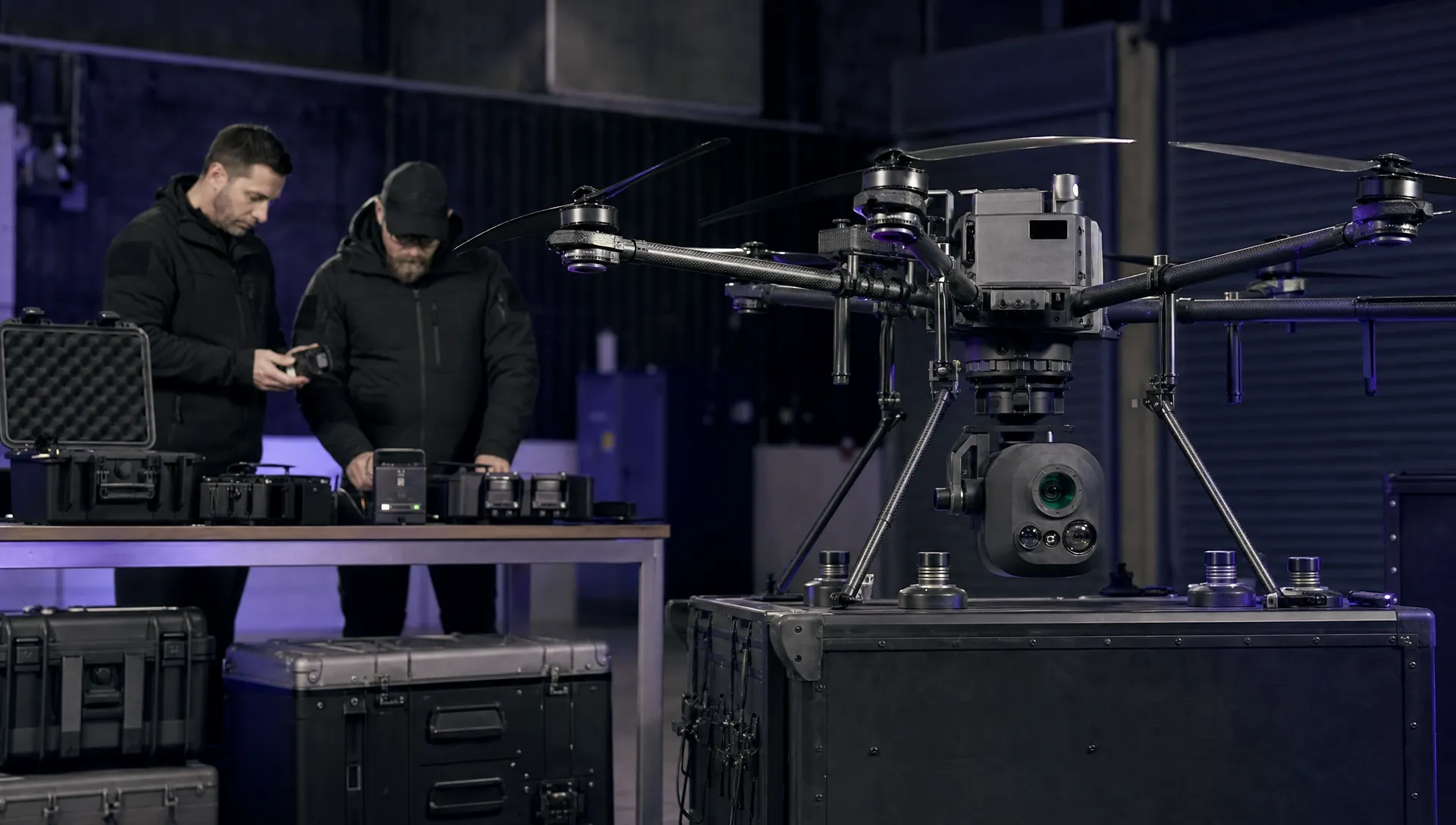 Drone Manufacturers Compared for Enterprise Operations →
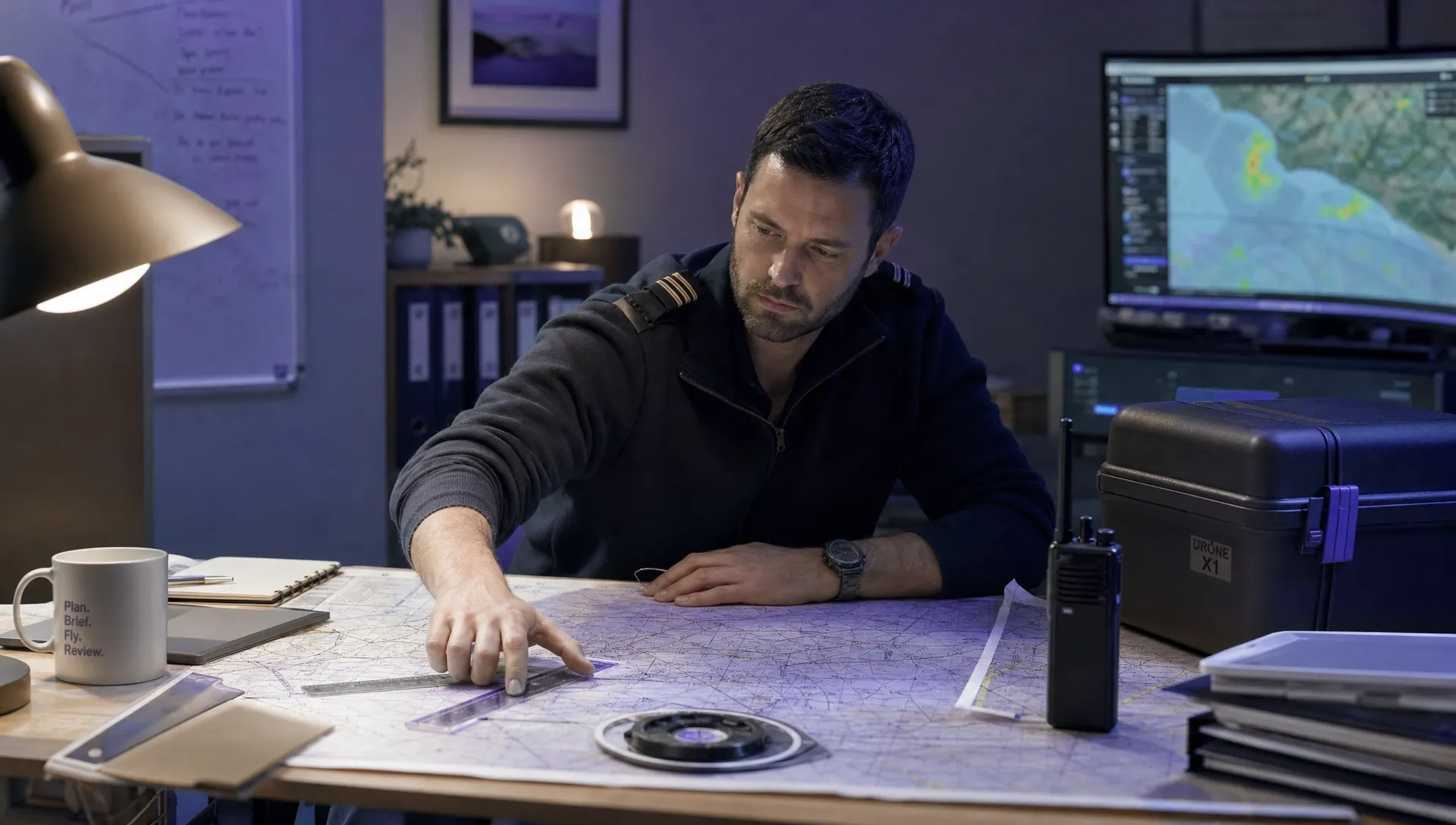 How to Prepare for the Drone Licence Test →
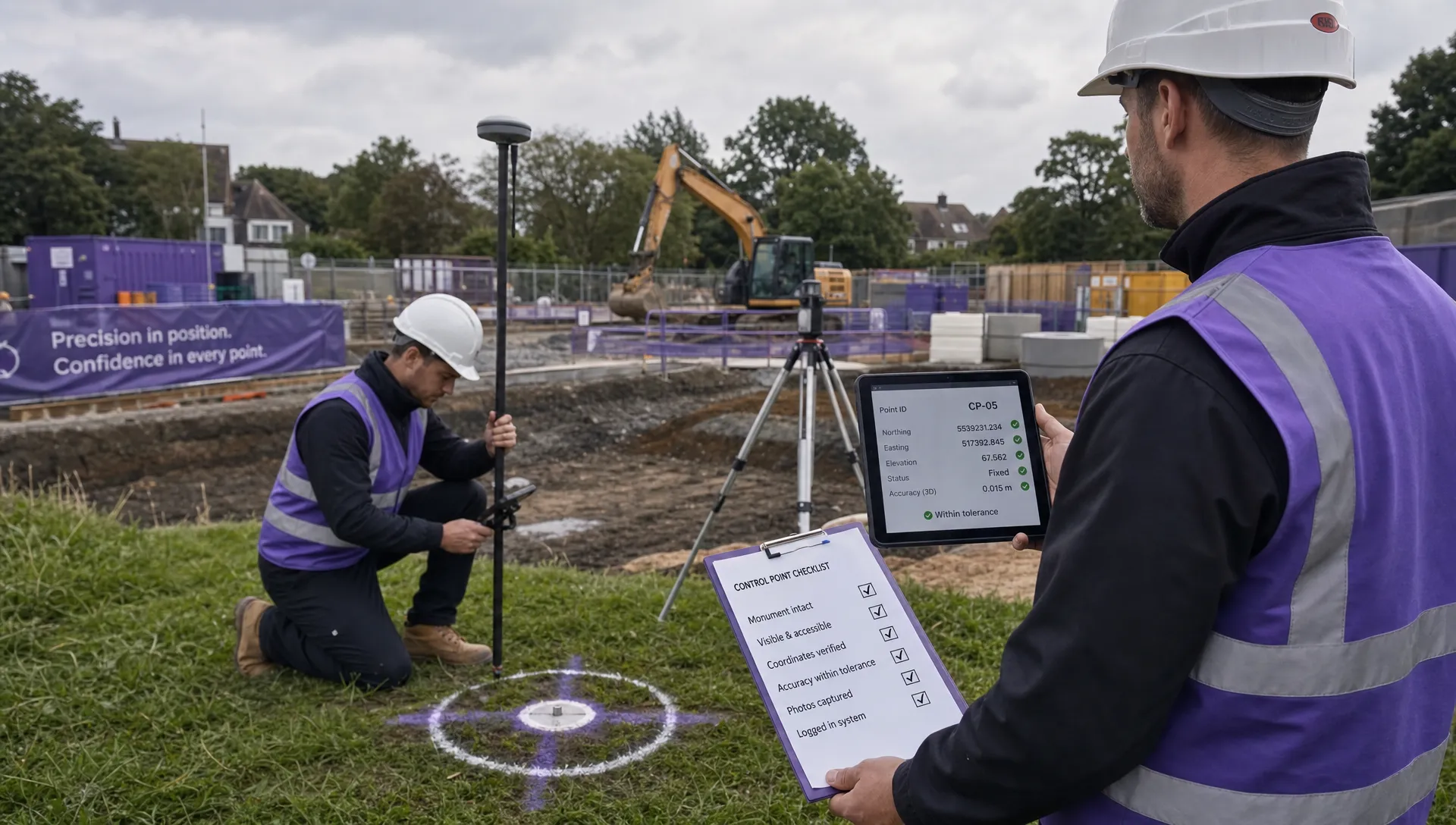 How to Choose a Drone Mapping Service for Your Project →
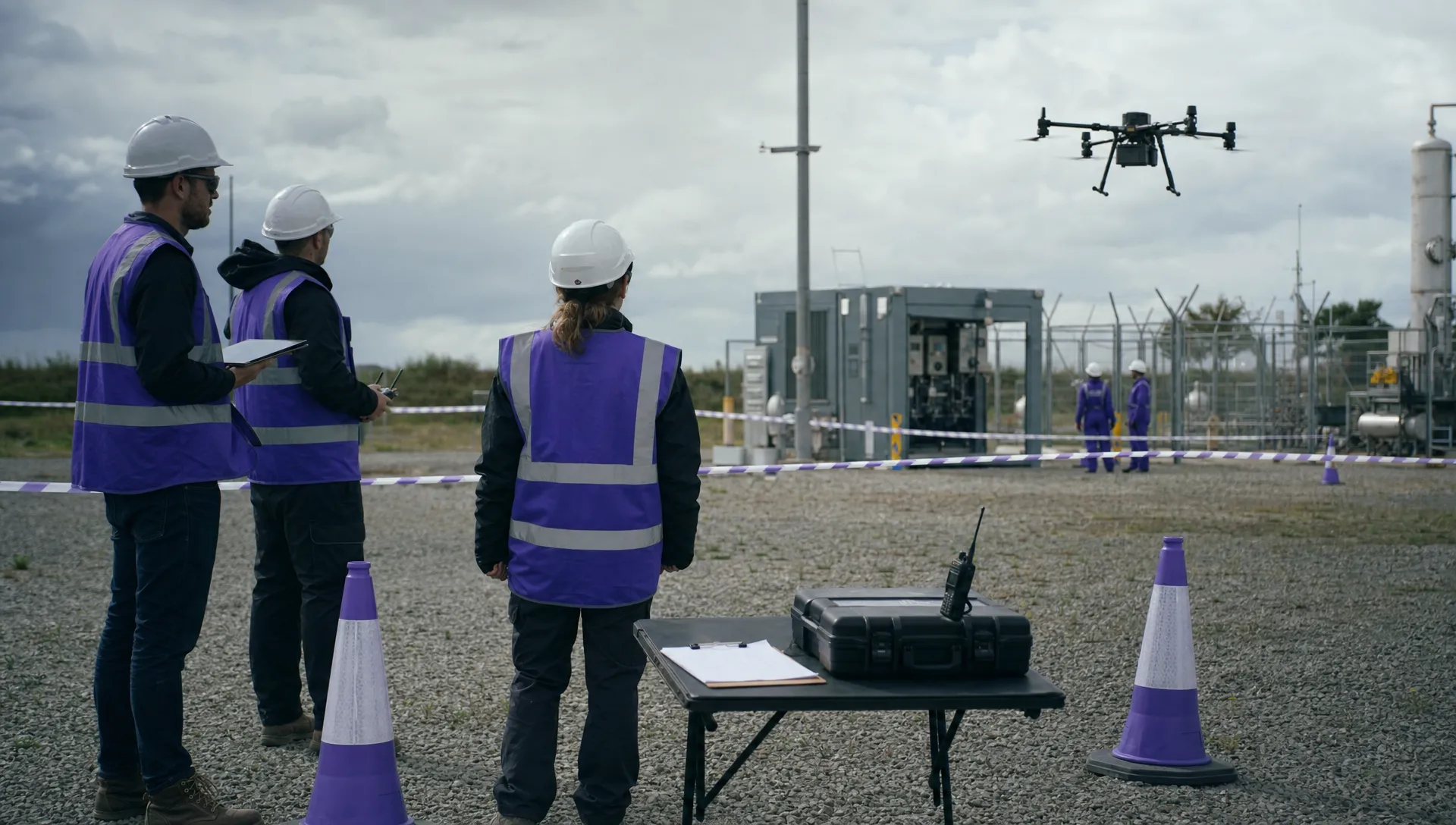 Drone Safety Rules That Every Commercial Team Needs →
 Airport Drone Rules: How to Plan Flights Without Surprises →
 FAA Part 107 Licence: Your Step-by-Step Application Guide →
 How to View DJI Flight Logs Online Safely →
 What Part 107 Covers Beyond the Pilot Certificate →
 How to Download and Read a DJI Flight Log →
 Drone Videography Planning Tips for Professional Crews →