
Before You Fly - 8 Essential Tips for Smooth Travel
Ready for Takeoff? Your Pre-Flight Checklist Awaits
Before you fly, careful planning is essential for a smooth trip. This checklist covers eight crucial steps to take before heading to the airport, helping you avoid common travel headaches. From online check-in and baggage policies to airport arrival times and travel insurance, these tips will streamline your pre-flight process. Whether you're a frequent flier or occasional traveler, this concise guide ensures you're prepared for a stress-free journey.
1. Check-in Online 24 Hours in Advance
One of the most crucial steps before you fly, whether for a drone operation or a personal trip, is checking in online. This simple process, often overlooked, can significantly streamline your airport experience and minimize pre-flight stress, allowing you to focus on the task at hand – your drone operation or other travel plans. Online check-in allows you to confirm your flight details, select your preferred seat, and obtain your boarding pass electronically, all before even setting foot in the airport. Most airlines open online check-in precisely 24 hours before scheduled departure for domestic flights and between 24 and 48 hours for international flights. This window of opportunity is key to securing your travel arrangements and customizing your flight experience. You can usually complete this process either via the airline's website or, even more conveniently, through their dedicated mobile app.

For professionals in drone operations, time is often a critical factor. Whether you're a solo drone operator heading to a remote survey location, part of a small to medium drone team deployed for a film shoot, or an enterprise drone operations manager overseeing a complex project, shaving off precious minutes at the airport can make all the difference. Online check-in offers a range of features tailored to streamline this process. Beyond simply confirming your flight and obtaining your boarding pass, you can often select your seat, declare and pay for baggage (especially important if you are traveling with sensitive drone equipment), and even request special services, if needed. This is particularly helpful for professionals transporting bulky or specialized drone equipment.
The benefits of online check-in are numerous. It drastically reduces time spent queuing at airport check-in counters, giving you more time to prepare for your operation or simply relax before your flight. Early check-in often provides access to a wider selection of seats, allowing you to choose a spot that best suits your needs, perhaps one with extra legroom for carrying a drone case or near the front of the plane for quicker disembarkation. In some airports, having your boarding pass ready can even expedite the security process, further minimizing wait times. Furthermore, online check-in often allows for last-minute changes to your itinerary, providing flexibility in case of unforeseen circumstances. This is invaluable for drone professionals who may need to adjust travel plans due to weather conditions or other operational changes.
While the advantages are significant, there are a few potential drawbacks to consider. If your phone battery dies and you haven't printed a physical copy of your boarding pass, you might encounter some difficulties. Making complex itinerary changes, such as altering multiple legs of a journey, can sometimes be more challenging online and might require contacting the airline directly. Additionally, some airlines charge extra fees for preferred seat selection during online check-in, so be aware of these potential costs.
Southwest Airlines, a popular choice for domestic travel, pioneered early online check-in back in 1999, demonstrating the value of this service. Today, most major carriers worldwide, including Delta Air Lines, offer seamless online check-in options. Delta's Fly Delta app even allows for check-in with biometric scanning, further simplifying the process. In contrast, some airlines, such as Ryanair, have made online check-in mandatory to avoid airport check-in fees. This underscores the increasing prevalence and importance of online check-in in modern air travel.
To maximize the benefits of online check-in, here are a few actionable tips: set a reminder on your phone for exactly 24 hours before your departure, download the airline's mobile app for easy access to the check-in process, take a screenshot of your boarding pass as a backup in case of phone issues, and check if your airline offers curbside bag drop for online check-in users, which can further expedite your airport experience.
By incorporating online check-in into your pre-flight routine, you can significantly improve your travel experience, minimizing stress and maximizing efficiency. This is especially crucial for drone professionals who often operate on tight schedules and need to prioritize efficiency and preparedness. Before you fly, remember to check in online—it's a simple step that can make a world of difference.
2. Verify Passport and Visa Requirements
One of the most critical steps before embarking on any international flight, especially for those involved in specialized fields like drone operations, photography, or surveying, is verifying your passport and visa requirements. Failing to do so can lead to denied boarding, hefty fines, wasted time, and a significant disruption to your project timelines. This step applies whether you're a solo drone operator scouting a location, part of a small film crew capturing aerial footage, or a surveyor mapping terrain in a foreign country. For professionals whose work takes them across borders, understanding these requirements is non-negotiable.

International travel hinges on having valid documentation. This means a passport with a sufficient validity period and any necessary visas or travel authorizations. Many countries demand that your passport remains valid for at least six months beyond your intended travel dates. Visa requirements, on the other hand, are far more nuanced and vary significantly based on your nationality and destination. For instance, a US citizen might require an Electronic System for Travel Authorization (ESTA) to enter a European country, while someone from another country might need a Schengen visa to access multiple European nations within a specific timeframe. Similarly, Canada has its Electronic Travel Authorization (eTA) program, while countries like Thailand and Indonesia offer visa-on-arrival programs for tourists, though the specifics of these programs can change.
The complexity of these requirements necessitates careful planning and thorough research. Reciprocal agreements between countries can further complicate matters, creating variations in the required documentation. What might be a simple entry process for one nationality can be a complex bureaucratic hurdle for another. This is particularly relevant for drone operators, photographers, and surveyors who often carry specialized equipment. Some countries have stringent regulations regarding the import and use of drones and other professional gear, and these regulations may be tied to your visa status.
Examples of Successful Implementation:
- Pre-planning: A drone team traveling to Canada for a surveying project meticulously researched the eTA requirements months in advance, ensuring all members obtained their authorizations well before their departure date. This avoided last-minute stress and potential delays.
- Checking Transit Requirements: A photographer traveling from the US to South Africa, with a layover in the UK, confirmed visa requirements for both the UK (transit) and South Africa (destination). This foresight prevented a potential denial of boarding in the US.
- Utilizing Official Resources: A surveyor intending to work in several European countries used the official Schengen visa website to determine the necessary documentation and application process, ensuring a smooth and legally compliant entry into the Schengen Area.
Actionable Tips for Travelers:
- Check early and often: Start researching passport and visa requirements at least 2-3 months prior to your departure date, as processing times can vary considerably.
- Use official sources: Rely on government websites (like the US State Department or embassy websites of your destination country) and the IATA Travel Centre for the most accurate and up-to-date information.
- Expedited processing: If time is short, consider expedited passport or visa processing services, but be prepared for additional costs.
- Document backup: Photograph or scan all important travel documents (passport, visa, driver's license, etc.) and store copies separately, both digitally and physically, in case of loss or theft.
- Transit vs. Destination: Verify the entry/exit requirements for both your final destination and any transit countries. Rules can differ, and a valid visa for your destination doesn't guarantee entry into a transit country.
Pros of Verifying Passport and Visa Requirements:
- Prevents denial of boarding or entry into your destination country.
- Ensures legal compliance with international travel regulations.
- Reduces travel anxiety by eliminating uncertainty about documentation.
- Avoids costly last-minute document expediting fees.
Cons of Verifying Passport and Visa Requirements:
- Researching requirements can be time-consuming, especially for multiple destinations.
- Requirements can change frequently, necessitating constant vigilance.
- Document processing can be expensive and slow, especially for visas.
- Different rules for transit vs. destination countries can add complexity.
By diligently verifying your passport and visa requirements before you fly, you can ensure a smooth and legally compliant journey, allowing you to focus on the purpose of your trip – whether it’s capturing stunning aerial footage, conducting crucial surveys, or managing complex drone operations. This preparatory step is crucial for minimizing potential disruptions and maximizing the success of your international endeavors.
3. Review Airline Baggage Policies and Restrictions
Before you fly, taking the time to thoroughly review airline baggage policies and restrictions is crucial for a smooth and cost-effective travel experience. These policies, which vary significantly between airlines and even ticket types within the same airline, dictate everything from weight and size limitations to prohibited items and associated fees. Understanding these nuances prevents unexpected charges at the airport, ensures compliance with safety regulations, and can even save you valuable time during check-in. This is especially important for drone operators, photographers, videographers, and other professionals who often travel with specialized and expensive equipment.

Airline baggage policies encompass several key aspects. First and foremost are the weight and size limitations for both carry-on and checked baggage. These restrictions are often strictly enforced, and exceeding them can result in hefty fees or even necessitate repacking at the airport. Policies also detail prohibited items, which include items banned by the Transportation Security Administration (TSA) for safety reasons, as well as items restricted by individual airlines or international regulations. Fee structures for excess baggage, overweight bags, and oversized items are another critical component. Finally, airlines often have specific policies for special items such as sports equipment, musical instruments, and, particularly relevant for our target audience, delicate electronics like drones and cameras.
The benefits of reviewing these policies before you fly are numerous. Avoiding unexpected baggage fees is a significant advantage, especially for those traveling on a budget. Understanding prohibited items lists prevents security delays and the potential confiscation of valuable equipment. For professionals carrying expensive drones, cameras, and other sensitive gear, ensuring these items are properly protected and comply with airline regulations is paramount. Furthermore, being prepared with the correct baggage information can significantly reduce check-in time, allowing for a more relaxed pre-flight experience.
However, navigating airline baggage policies also presents challenges. These policies can change frequently, requiring travelers to stay updated on the latest regulations. Variations between airlines can create confusion, particularly when booking connecting flights with different carriers. International rules may differ significantly from domestic ones, adding another layer of complexity to international travel. Special items, including drones, often require advance arrangements with the airline, and understanding the specific requirements for battery transport is crucial.
Consider these examples: Southwest Airlines is known for its "Bags Fly Free" policy, allowing two checked bags free of charge. Conversely, ultra-low-cost carriers like Spirit Airlines often charge fees for all bags, including carry-ons. On international flights, airlines like Emirates may offer generous baggage allowances of 30-40kg. Remembering the TSA's 3-1-1 liquid rule, implemented post-2006, is crucial for carry-on baggage.
For drone operators, photographers, surveyors, and other professionals traveling with specialized equipment, reviewing baggage policies is even more critical. Drones, with their lithium-ion batteries, are subject to specific regulations that vary between airlines. Camera equipment, tripods, and other accessories can also be subject to size and weight restrictions. Understanding these policies is essential to avoid delays, extra fees, and potential damage to valuable equipment.
To ensure a hassle-free travel experience, implement these tips: Weigh your bags at home before departure to avoid surprises at the airport. Pack essential items, including medications and valuable equipment like drone batteries and camera lenses, in your carry-on bag in case checked bags are delayed. If your itinerary includes connecting flights with different airlines, check the baggage policies for each carrier. For long trips with a significant amount of equipment, consider shipping items separately to avoid excess baggage fees. Finally, explore airline credit cards that offer baggage benefits, such as free checked bags or waived baggage fees.
By taking the time to review airline baggage policies and restrictions before you fly, you can ensure a smooth, efficient, and cost-effective journey, allowing you to focus on your work or enjoy your travels without unnecessary stress.
4. Arrive at Airport with Adequate Time Buffer
One of the most crucial aspects of a smooth flight experience, whether you're a seasoned traveler or embarking on your first journey, is arriving at the airport with ample time to spare. This seemingly simple step can significantly impact your stress levels and overall travel experience. Adequate time acts as a buffer against unexpected delays, ensures you meet all airline deadlines, and allows you to navigate the airport procedures comfortably. Failing to plan for potential hiccups can lead to missed flights, frantic rushes through security, and a generally unpleasant start to your trip.

The general rule of thumb is to arrive two hours before a domestic flight and three hours before an international flight. However, these are merely starting points. Several factors can influence the required buffer time, making it essential to consider your specific circumstances before you fly. These factors include the size and layout of the airport, the time of day and year you are traveling, your chosen airline's specific requirements, and whether you have TSA PreCheck or Global Entry.
For instance, navigating sprawling international hubs like Heathrow or LAX during peak seasons, such as summer or holiday periods, necessitates considerably more time than flying out of a smaller regional airport during the off-season. These larger airports often involve longer walks between terminals, extensive security lines, and more complex check-in processes. Denver International Airport, known for its remote location, requires added travel time to reach the airport itself. Conversely, smaller regional airports with fewer flights and passengers may only require 90 minutes for domestic flights.
Security checkpoint wait times are notoriously variable. Long lines can form during peak hours and travel seasons, adding significant time to your airport journey. Additionally, unexpected events, like heightened security alerts or equipment malfunctions, can further extend these wait times. The check-in process itself, especially if you have checked baggage, also requires dedicated time. Airlines have specific cutoff times for baggage drop-off, and missing these deadlines can result in your luggage not making it onto your flight.
The benefits of arriving early are manifold. It reduces stress and anxiety, allowing you to proceed through the airport at a comfortable pace, rather than feeling rushed and overwhelmed. It provides a crucial buffer for unforeseen delays, whether it’s a long security line, a delayed flight, or a last-minute gate change. Extra time also allows you to take advantage of airport amenities, grab a meal, or catch up on work before your flight. Most importantly, it ensures you comply with airline cutoff times, avoiding the disappointment and frustration of a missed flight.
Of course, arriving early also has its drawbacks. It requires a longer time commitment, which can mean sacrificing valuable time at your destination or requiring a very early departure from home, especially for early morning flights. Extended waiting times at the airport can also lead to boredom and increased spending on airport food and shopping, which can be notoriously expensive.
To optimize your airport arrival time, consider the following actionable tips: Check real-time security wait times via apps like MyTSA. These apps provide up-to-date information on current wait times at specific airports, helping you gauge the necessary buffer time. Consider enrolling in programs like TSA PreCheck or Global Entry for expedited security processing. These programs can significantly reduce your time spent in security lines. Factor in parking or ground transportation time. Whether you are driving yourself, taking a taxi, or using a ride-sharing service, account for potential traffic delays and parking procedures. Monitor airline apps for any gate changes or delays. Staying informed about your flight status can help you adjust your plans accordingly. Finally, build in extra time during peak travel seasons, recognizing that airports are generally busier during holidays and school breaks.
By considering these factors and implementing these tips, you can ensure a smoother, less stressful airport experience and start your journey on the right foot. Learn more about Arrive at Airport with Adequate Time Buffer This principle, much like the importance of checklists for drone operations, emphasizes the importance of planning and preparation for successful execution. While not directly related to drone flights, the principles of pre-flight checks and ensuring ample buffer time translate well into many fields, ensuring smooth operations and mitigating potential risks.
5. Confirm Flight Status and Gate Information
Before you fly, confirming your flight status and gate information is crucial for a smooth and stress-free travel experience. Flight schedules are dynamic and susceptible to a myriad of changes, including weather disruptions, mechanical issues, air traffic control directives, and unexpected operational requirements. Taking the time to proactively monitor your flight’s status can save you from unnecessary airport stress and potential travel disruptions. This is particularly important for time-sensitive operations, such as those undertaken by solo drone operators, small to medium drone teams, enterprise drone operations managers, and other professionals who rely on air travel to reach their destinations.
This seemingly simple step can significantly impact your journey, allowing you to adapt to unforeseen circumstances and make informed decisions. By staying informed about delays, cancellations, gate changes, and even aircraft substitutions, you can proactively manage your time and resources, ensuring you arrive at your final destination as planned. Imagine arriving at the airport only to discover your flight has been delayed for several hours or, worse, cancelled. Checking your flight status beforehand allows you to adjust your plans accordingly, potentially saving you valuable time and preventing unnecessary frustration. This is especially critical for drone operators who often have tight schedules for aerial surveys, photography sessions, or inspections.
Real-time flight tracking tools and airline resources offer a wealth of information. Features such as real-time delay and cancellation notifications, gate assignment updates, aircraft type changes, weather-related disruption alerts, and connecting flight impact assessments provide a comprehensive overview of your flight's current status. For instance, you can receive notifications about gate changes directly to your phone, eliminating the need to constantly check airport screens. Understanding the potential impact on connecting flights allows you to preemptively explore alternative routes or contact the airline for rebooking options.
Several resources provide up-to-the-minute flight information. Popular flight tracking websites and apps like FlightAware and Flightradar24 offer comprehensive tracking details, while most airline mobile apps send push notifications for flight changes directly to your device. Airport information systems also display real-time flight data. Checking multiple sources can provide a more complete picture, as occasionally, discrepancies can arise between different platforms.
While staying informed about your flight status offers numerous advantages, it's important to be aware of the potential drawbacks. Flight information can change rapidly, and even with diligent monitoring, last-minute changes can still occur after boarding. Multiple sources may occasionally present conflicting data, leading to confusion. Furthermore, constantly monitoring updates can induce stress, especially for those prone to travel anxiety.
To maximize the benefits of confirming your flight status and minimize potential stress, consider these actionable tips:
- Check your flight status the morning of your departure and again while en route to the airport. This allows you to stay updated on any recent changes.
- Sign up for airline text and email notifications. This provides real-time updates directly from the source.
- Utilize multiple sources for flight information. Cross-referencing information from the airline app, third-party trackers, and airport information systems helps ensure accuracy.
- Monitor weather forecasts for both your departure and arrival cities. Weather events like hurricanes can impact flights days in advance. Learn more about Confirm Flight Status and Gate Information might offer additional insights related to weather and its impact on flight operations, particularly for drone operators.
- Develop backup plans for important trips. This is especially important for professional drone operations where missing a flight could result in significant financial implications. Consider alternative flights, ground transportation options, or even postponing the operation if necessary.
Consider the scenario of widespread flight disruptions caused by a European air traffic control strike. By diligently monitoring flight status and leveraging the available resources, you can potentially rebook your flight on a different airline, adjust your ground transportation arrangements, or even postpone your trip to avoid unnecessary complications. This proactive approach is invaluable for professionals whose work depends on timely air travel.
Confirming your flight status before you fly isn't merely a suggestion; it's a crucial step in ensuring a smooth and efficient travel experience. In today's dynamic aviation landscape, staying informed is key to navigating potential disruptions and arriving at your destination as planned. This is especially crucial for drone professionals, who often operate under strict time constraints and require reliable transportation to reach their project sites. By actively monitoring flight information and employing the tips outlined above, you can transform potential travel anxieties into a sense of control and preparedness.
6. Pack Strategic Carry-On Essentials
Before you fly, meticulously planning your carry-on bag is crucial for a smooth and stress-free travel experience. A well-packed carry-on serves as your insurance policy against lost or delayed checked luggage, unexpected flight disruptions, and unforeseen circumstances at your destination. It ensures you have immediate access to essential items, allowing you to function comfortably and efficiently even if your checked bag goes astray. This is especially important before you fly, as it can significantly impact your productivity and peace of mind upon arrival.
This strategic approach involves packing a carefully curated selection of items that cover your basic needs and address potential travel hiccups. These essentials fall into several key categories:
-
Essential Medications and Health Items: Pack any prescription medications you require, along with a copy of your prescription. Include over-the-counter remedies for common ailments like headaches, allergies, or motion sickness. Don't forget essential personal hygiene items like hand sanitizer, toothbrush, and toothpaste. Pharmaceutical items should be kept in their original containers, and carrying a copy of your prescription is highly recommended.
-
One Complete Change of Clothes: Packing a fresh set of clothes, including underwear and socks, is a game-changer if your checked luggage is delayed. This allows you to feel refreshed and presentable, even after a long and tiring journey. For business travelers, this is particularly important for maintaining a professional appearance upon arrival, even if their luggage is delayed.
-
Important Documents and Copies: Keep your passport, visa (if required), driver's license, and other essential identification documents in your carry-on. Make copies of these documents and store them separately, both physically and digitally (consider a secure cloud storage service). This redundancy provides an extra layer of security in case of loss or theft. Additionally, store these documents in a waterproof folder to protect them from spills or inclement weather.
-
Electronics and Chargers: Your smartphone, laptop, tablet, and camera are valuable tools for both work and leisure while traveling. Ensure you pack their respective chargers and any necessary adapters, especially for international travel. A portable battery pack can be a lifesaver for keeping your devices powered up during long flights or layovers.
-
Comfort and Entertainment Items: A neck pillow, eye mask, earplugs, and a good book or downloaded entertainment can significantly improve your in-flight comfort and help you pass the time. Families traveling with children should prioritize packing snacks, small toys, and other entertainment to keep them occupied during the flight.
Pros of Packing Strategic Carry-On Essentials:
- Protection against lost luggage impacts: Your essential items are readily available, minimizing disruption to your plans.
- Immediate access to necessities during delays: You can comfortably navigate delays or unexpected layovers.
- Faster airport exit with carry-on only: Bypass baggage claim and head straight to your destination.
- Cost savings from avoiding checked bag fees: Depending on the airline, this can result in substantial savings.
Cons of Packing Strategic Carry-On Essentials:
- Limited space and weight restrictions: Careful planning and prioritization are essential.
- Liquid limitations create packing challenges: Adhere to TSA regulations for liquids in carry-on bags.
- Overhead bin space competition: Boarding early can increase your chances of securing overhead bin space.
- Security screening may require unpacking: Organize your carry-on for easy access to liquids and electronics.
Implementing this strategy effectively can significantly enhance your travel experience. Business travelers often pack 2-3 days of essentials for short trips, ensuring they are prepared for unexpected delays or extended stays. Families with children prioritize snacks, entertainment, and comfort items to keep their little ones happy and occupied throughout the journey. International travelers include adapters and copies of important documents, anticipating the specific needs of their destination.
Tips for Packing a Strategic Carry-On:
- Roll clothes to maximize space efficiency.
- Use packing cubes for organization.
- Keep liquids in an easily accessible clear bag.
- Pack one day’s worth of essentials, even for short trips.
- Include your phone charger and a portable battery.
Before you fly, especially if you're relying on public Wi-Fi during your travels, it's a good idea to brush up on online security best practices. Be cautious of suspicious emails, especially when traveling, as cybercriminals often target travelers. Familiarize yourself with common phishing tactics to avoid falling victim to scams. A great resource for this is the 8 Examples of Email Phishing Scams You Need to Know from Hook Security: examples of email phishing scams. By taking these precautions before you fly, you can ensure a smoother and more secure trip.
7. Arrange Transportation and Parking in Advance
Before you fly, whether it's for a personal vacation or a crucial drone operation, arranging your airport transportation and parking should be a top priority. This seemingly mundane task can significantly impact your travel experience, influencing everything from your budget and stress levels to the overall efficiency of your trip. Failing to plan ahead in this area can lead to last-minute scrambles, inflated costs, and unnecessary delays, all of which are particularly detrimental when you're carrying valuable equipment like drones. This is why securing your ground transportation well in advance is a crucial step in your pre-flight checklist.
Arranging airport transportation boils down to carefully comparing and selecting the best option based on your individual needs and the specifics of your trip. This involves considering factors like the length of your stay, the amount of luggage you're carrying (including drone cases and accessories), your arrival and departure times, and of course, your budget. For solo drone operators or small teams, the options might range from rideshares to public transport. Larger teams or enterprise drone operations might require vans or even cargo transportation for their equipment, necessitating more complex logistical planning.
Several transportation modes cater to varying needs and budgets:
- Driving your own vehicle: This offers maximum flexibility and control, especially when transporting sensitive equipment. However, long-term airport parking can be expensive. Pre-booking a parking spot not only guarantees availability but often secures a lower rate. Services like SpotHero and ParkWhiz allow you to compare prices and reserve parking at both on-site and off-site lots, with the latter often offering shuttle services to the terminal. Consider off-site parking for potentially significant savings, especially for longer trips. Remember to factor in the extra time for shuttle transfers.
- Rideshare services (Uber/Lyft): Rideshares offer convenience and generally transparent pricing. Using apps like Uber and Lyft, you can get upfront cost estimates for airport trips, eliminating surprise charges. This option works well for solo travelers or small teams with manageable luggage. However, surge pricing during peak hours can significantly inflate costs, and availability might be impacted during high-demand periods. Always check pricing and availability before your flight and consider having a backup plan.
- Taxis: Taxis are a readily available option at most airports, but fares can be unpredictable and often higher than rideshares, particularly for longer distances. Ensure you understand the fare structure before getting in.
- Public Transportation: Many cities offer efficient and affordable public transportation, including express trains and buses, connecting directly to airport terminals. This is a cost-effective option, especially for solo travelers or those familiar with the local transit system. Be sure to meticulously check schedules, especially for early morning or late-night flights, and factor in potential delays.
- Airport Shuttles: Numerous airport shuttle services operate routes to and from major hotels and city centers. This is a convenient shared-ride option, often offered at fixed rates. However, the shared nature means potential delays due to multiple stops.
- Hotel Shuttles: If staying at a hotel near the airport, inquire about complimentary or paid shuttle services. This can be a convenient and cost-effective option.
Pros of arranging transportation in advance:
- Guaranteed Availability: Pre-booking ensures you have transportation secured, especially crucial during peak travel times or when traveling with large amounts of equipment.
- Cost Savings: Advanced bookings often unlock discounts on parking, rideshares, and other transportation options.
- Reduced Stress: Knowing your transportation is handled eliminates last-minute scrambling and reduces travel-day anxiety.
- Better Time Management: Pre-planned transportation allows for accurate time estimations, enabling smoother transitions and better adherence to schedules, particularly important for time-sensitive drone operations.
Cons of arranging transportation in advance:
- Planning and Research: It requires some upfront effort to compare options and make reservations.
- Change Fees: Prepaid reservations might incur change fees if your travel plans are altered.
- Unforeseen Circumstances: While pre-planning provides a framework, unforeseen circumstances like weather or traffic can still cause delays.
- Decision Paralysis: The multitude of transportation options can sometimes lead to analysis paralysis, especially for first-time travelers.
Actionable Tips:
- Compare total costs, including tips, taxes, and any potential baggage fees.
- For popular airports, always book parking well in advance, especially during peak seasons.
- Explore off-site parking options with shuttle services for potential cost savings.
- Check public transportation schedules meticulously, particularly for early or late flights.
- Always have a backup transportation plan in case of unforeseen circumstances.
- When using parking shuttles, factor in potential wait times, especially during peak hours.
For drone operators, having a reliable transportation plan is paramount. Whether you're transporting a single drone for a photography gig or multiple units for a large-scale survey operation, ensuring safe and timely arrival of your equipment is essential. Pre-planning your airport transport eliminates potential logistical nightmares and allows you to focus on what truly matters - your drone operation. By diligently researching and booking your airport transportation in advance, you're setting the stage for a smoother, less stressful, and more successful trip.
8. Purchase Travel Insurance and Understand Coverage
Before you fly, especially if your trip involves significant financial investment or international travel, securing appropriate travel insurance is crucial. This proactive step protects you from a range of potential disruptions and unforeseen circumstances that could derail your plans or create substantial financial burdens. Think of it as a safety net for your journey, offering financial protection and peace of mind so you can focus on capturing that perfect aerial shot or completing your drone survey. Whether you're a solo drone operator heading to a remote location, a small drone team traveling for a commercial project, or an enterprise drone operations manager overseeing a complex deployment abroad, travel insurance deserves a prominent place in your pre-flight checklist.
Travel insurance works by transferring the financial risks associated with travel to an insurance provider, in exchange for a premium. You pay a fee upfront (typically 4-10% of your total trip cost), and in the event of a covered incident, the insurance company will reimburse you for eligible expenses or provide assistance. Different policies offer varying levels of coverage, so it's essential to understand the specifics of your chosen plan.
This protection spans several key areas:
- Trip Cancellation and Interruption Coverage: This safeguards your investment in non-refundable flights, accommodations, and other prepaid expenses if you have to cancel or cut short your trip due to covered reasons, such as illness, severe weather, or natural disasters.
- Medical and Emergency Evacuation Benefits: This covers medical expenses incurred while traveling, including doctor visits, hospitalization, and even emergency medical evacuation back home. This is particularly important for international trips where your regular health insurance might not be valid, and the costs of medical care can be exorbitant.
- Baggage Loss and Delay Protection: This compensates you for lost, stolen, or damaged luggage, including crucial equipment like drones, cameras, and related gear. It can also cover expenses for essential items if your baggage is delayed.
- Travel Delay Compensation: If your flight is delayed beyond a certain period, this coverage can reimburse you for expenses like meals, accommodation, and transportation.
- Pre-existing Medical Condition Coverage Options: Some policies offer coverage for pre-existing medical conditions, but you may need to purchase a specific add-on or meet certain eligibility criteria.
Several reputable providers cater to different travel styles and needs. World Nomads, for instance, is popular among backpackers and adventure travelers, while Allianz Travel Insurance is widely available through airlines and travel sites. Many premium credit cards also include travel insurance benefits, though coverage may be limited. For frequent flyers, annual travel insurance policies can be a cost-effective option. You can even find specialized coverage for high-risk activities, such as skiing or diving. Learn more about Purchase Travel Insurance and Understand Coverage
Here are some essential tips to ensure you have the right travel insurance:
- Purchase Early: Buy your travel insurance within 14-21 days of your initial trip deposit to maximize coverage, especially for pre-existing conditions or "cancel for any reason" benefits.
- Read the Fine Print: Carefully review the policy exclusions to understand what is and isn't covered. Pay particular attention to clauses related to drone operation, especially in foreign countries.
- Compare Coverage Limits: Don't just compare prices. Compare coverage limits across different providers to ensure adequate protection for your equipment and potential medical expenses.
- Consider Annual Policies: If you travel frequently for drone-related work, an annual policy may be more cost-effective than purchasing individual policies for each trip.
- Document Everything: Keep detailed records of all your travel expenses, including receipts for flights, accommodation, and equipment, in case you need to file a claim.
- Understand Primary vs. Secondary Coverage: Determine whether your policy provides primary or secondary coverage. Secondary coverage only kicks in after your existing insurance (e.g., health insurance, credit card insurance) has paid its share.
While travel insurance does add to the overall cost of your trip, the potential financial protection and peace of mind it offers far outweigh the expense, especially when valuable equipment and international travel are involved. Understanding the nuances of coverage, choosing the right policy, and adhering to these tips will ensure you're prepared for any unforeseen circumstances, allowing you to focus on your drone operations. From unexpected flight cancellations to medical emergencies in remote locations, having the right travel insurance can make all the difference. This is especially true for drone professionals whose work often takes them to less predictable environments. Before you fly, take the time to invest in comprehensive travel insurance - it’s a small price to pay for significant peace of mind.
8 Essential Pre-Flight Preparation Tips Comparison
| Tip Title | 🔄 Implementation Complexity | 💡 Resource Requirements | 📊 Expected Outcomes | ⚡ Ideal Use Cases | ⭐ Key Advantages |
|---|---|---|---|---|---|
| Check-in Online 24 Hours in Advance | Low - simple online or app process | Internet access, smartphone or computer | Time saved at airport, better seat selection | All travelers aiming to avoid airport lines | Saves time, reduces stress, enables last-minute changes |
| Verify Passport and Visa Requirements | Medium - requires research and application | Access to official info, possible fees | Avoids boarding denial, legal compliance | International travelers with complex entry needs | Prevents entry denial, reduces anxiety |
| Review Airline Baggage Policies and Restrictions | Medium - needs careful policy review | Airline info, scale for weighing bags | Avoids fees and delays, ensures compliance | Travelers with checked baggage or special items | Prevents surprise fees, security delays |
| Arrive at Airport with Adequate Time Buffer | Low - planning arrival timings | Time allocation, transport arrangements | Reduced stress, buffer for unexpected delays | All travelers, especially international and peak travel | Avoids missed flights, allows relaxed processing |
| Confirm Flight Status and Gate Information | Low - routine status checks | Smartphone, airline and third-party apps | Up-to-date flight info, proactive adjustments | Travelers with tight connections or change-prone flights | Avoids wasting time, enables rebooking |
| Pack Strategic Carry-On Essentials | Medium - thoughtful packing required | Carry-on bag, space management tools | Mitigates luggage loss impacts, faster airport exit | Frequent travelers, families, business travelers | Protects essentials, cost savings on checked bags |
| Arrange Transportation and Parking in Advance | Medium - requires research and booking | Access to transport apps, payment methods | Reliable airport access, cost savings | Travelers using personal vehicles or public transport | Ensures transportation, reduces travel day stress |
| Purchase Travel Insurance and Understand Coverage | Medium-High - policy comparison & purchase | Budget for insurance, time to review terms | Financial protection, medical coverage, peace of mind | International and high-cost trip travelers | Protects investment, emergency medical support |
Bon Voyage: Your Journey Starts Now!
Before you fly, taking the time to prepare can significantly impact the success of your trip, whether it's for business or leisure. From online check-in and baggage policy review to airport arrival times and travel insurance, each step discussed plays a vital role in minimizing potential travel hiccups. Remember the key takeaways: confirming flight details, packing smart, and arranging logistics in advance are crucial for a stress-free experience. By mastering these simple yet effective strategies, you'll not only travel more efficiently but also free up valuable time and energy to focus on what matters most – your work, your passions, or simply enjoying your destination. This pre-flight preparation is especially valuable for drone operators, photographers, surveyors, and other professionals who often travel with specialized equipment. Careful planning ensures your valuable tools arrive safely and you're ready to operate upon arrival.
For an even smoother pre-flight experience, consider streamlining your drone operations management with Dronedesk. Dronedesk helps you manage flight logs, pre-flight checklists, and other essential documentation, keeping you organized and compliant before you even leave for the airport. Learn more and optimize your workflow at Dronedesk.
 How to Start a Drone Mapping Business With a Clear Workflow →
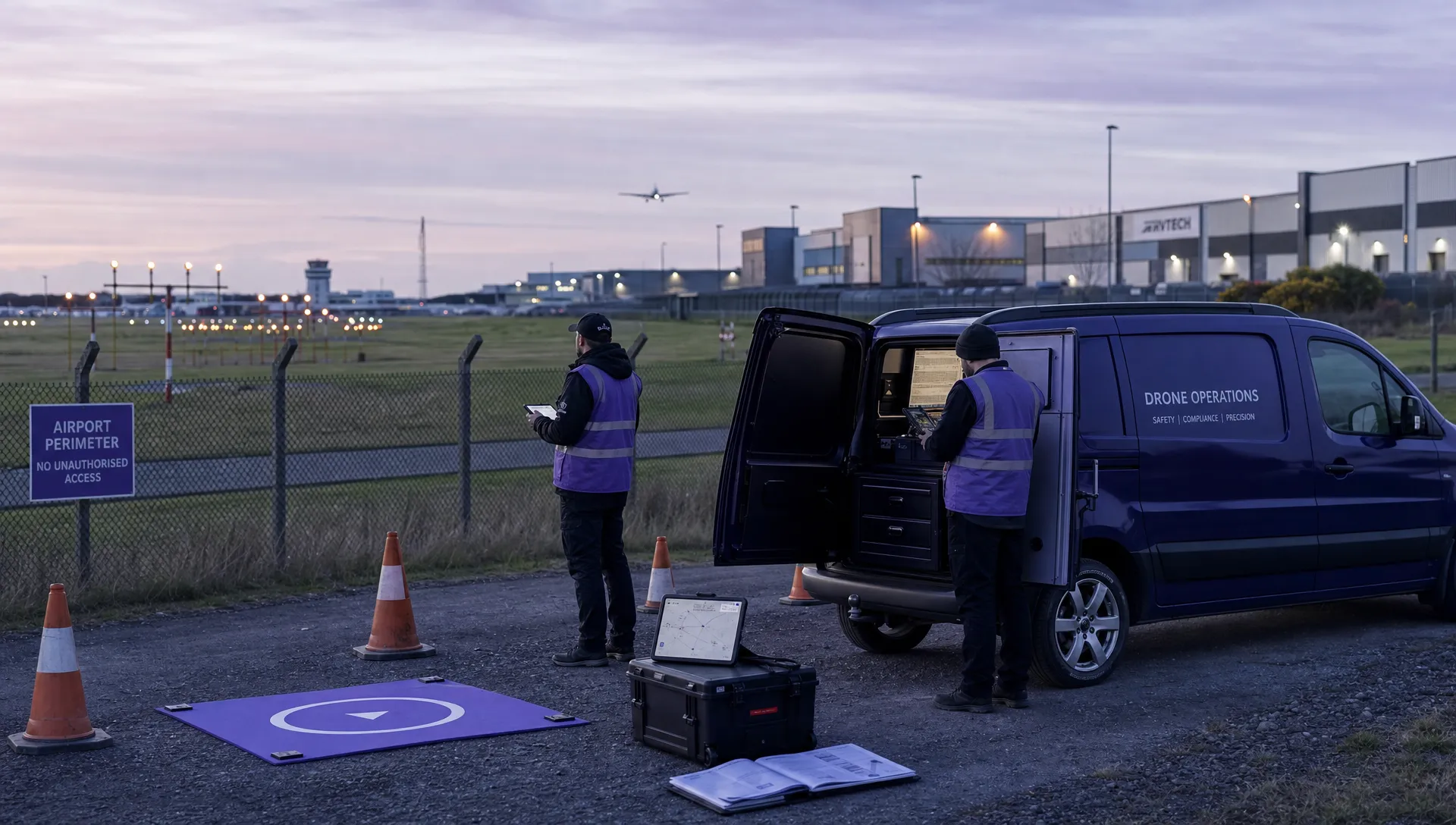 Class C Airspace Drone Rules for Commercial Flights →
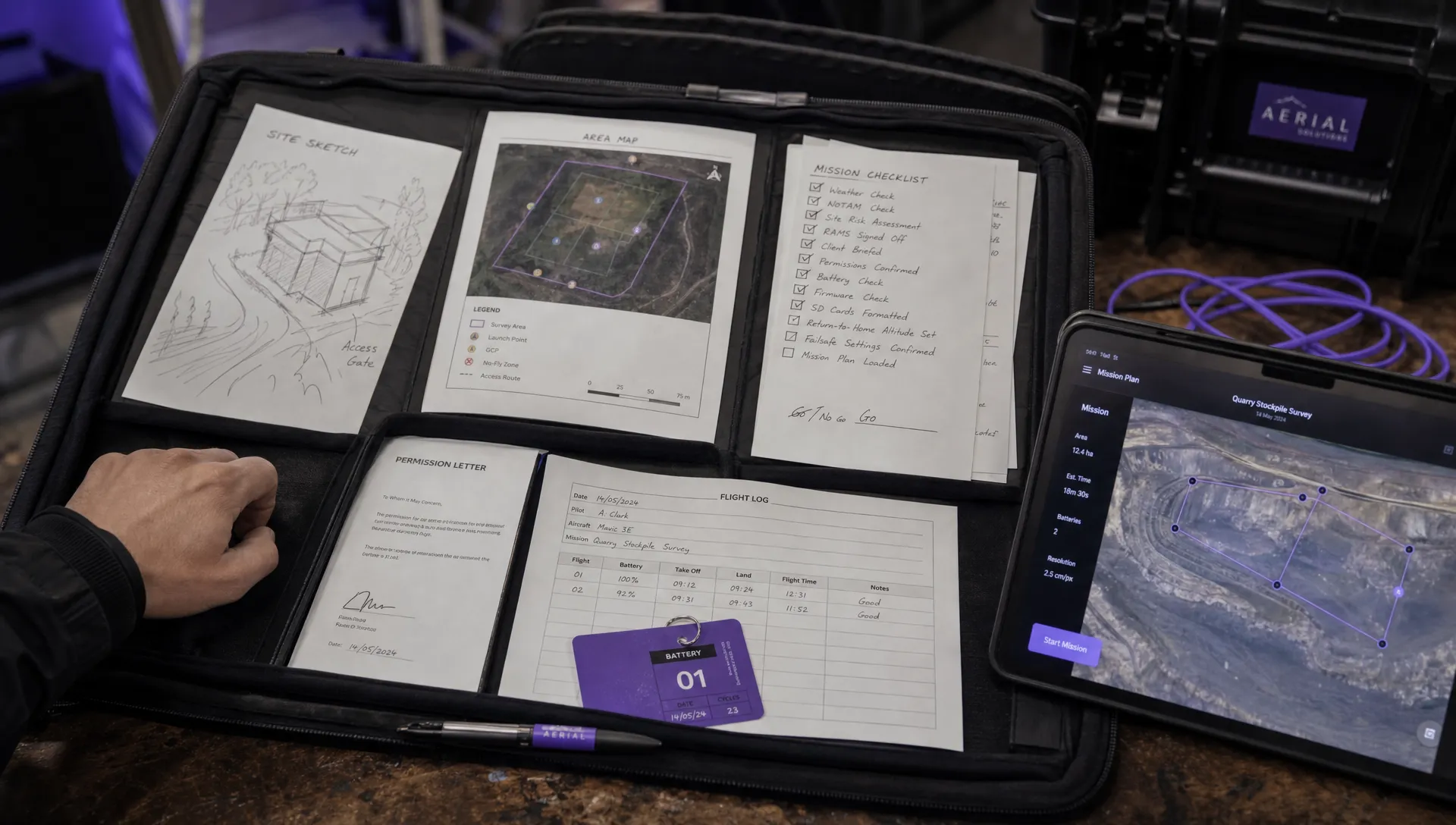 How to Create a Drone Job Pack for Every Mission →
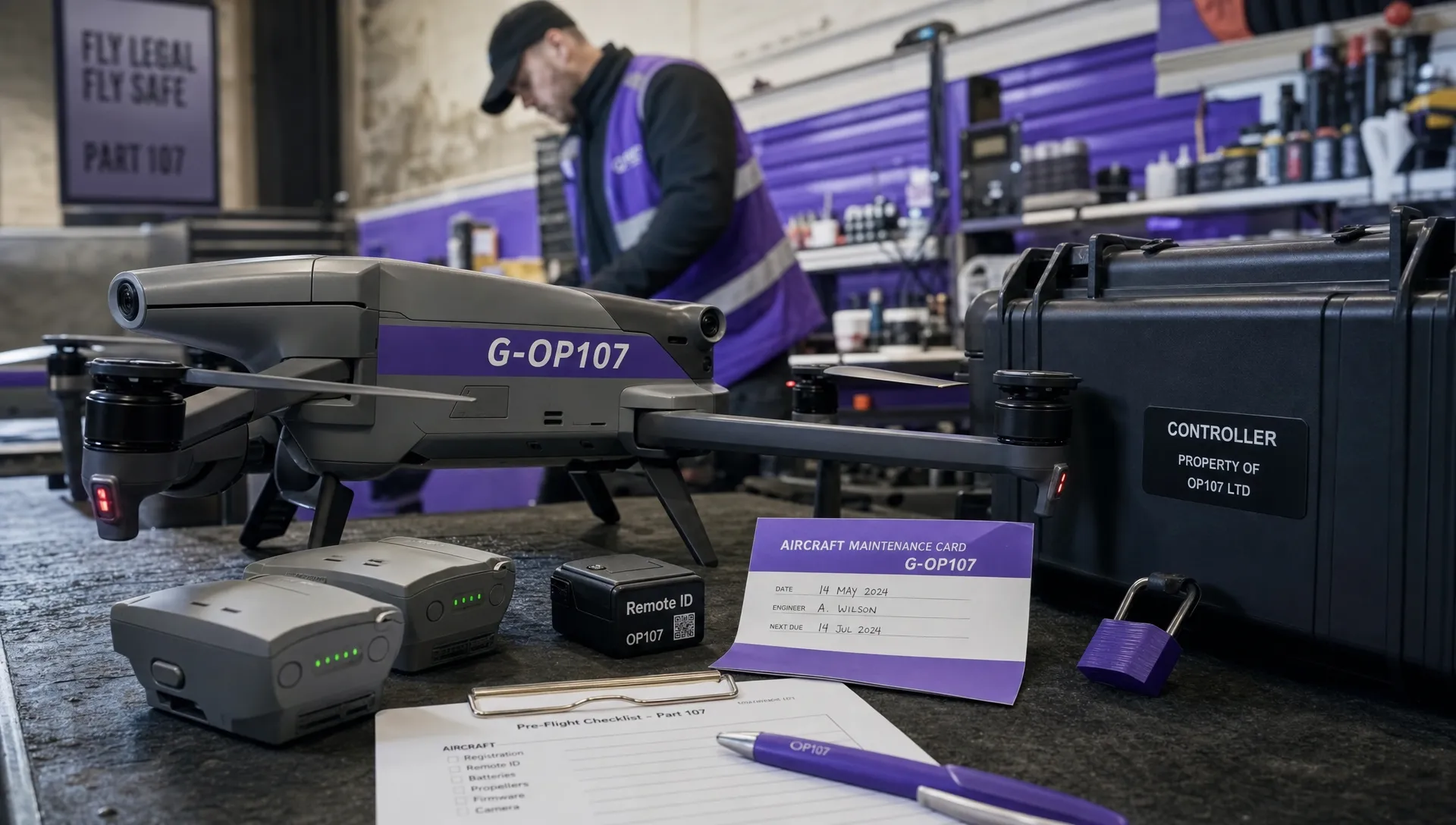 FAA Small UAS Rule: Key Requirements for Operators →
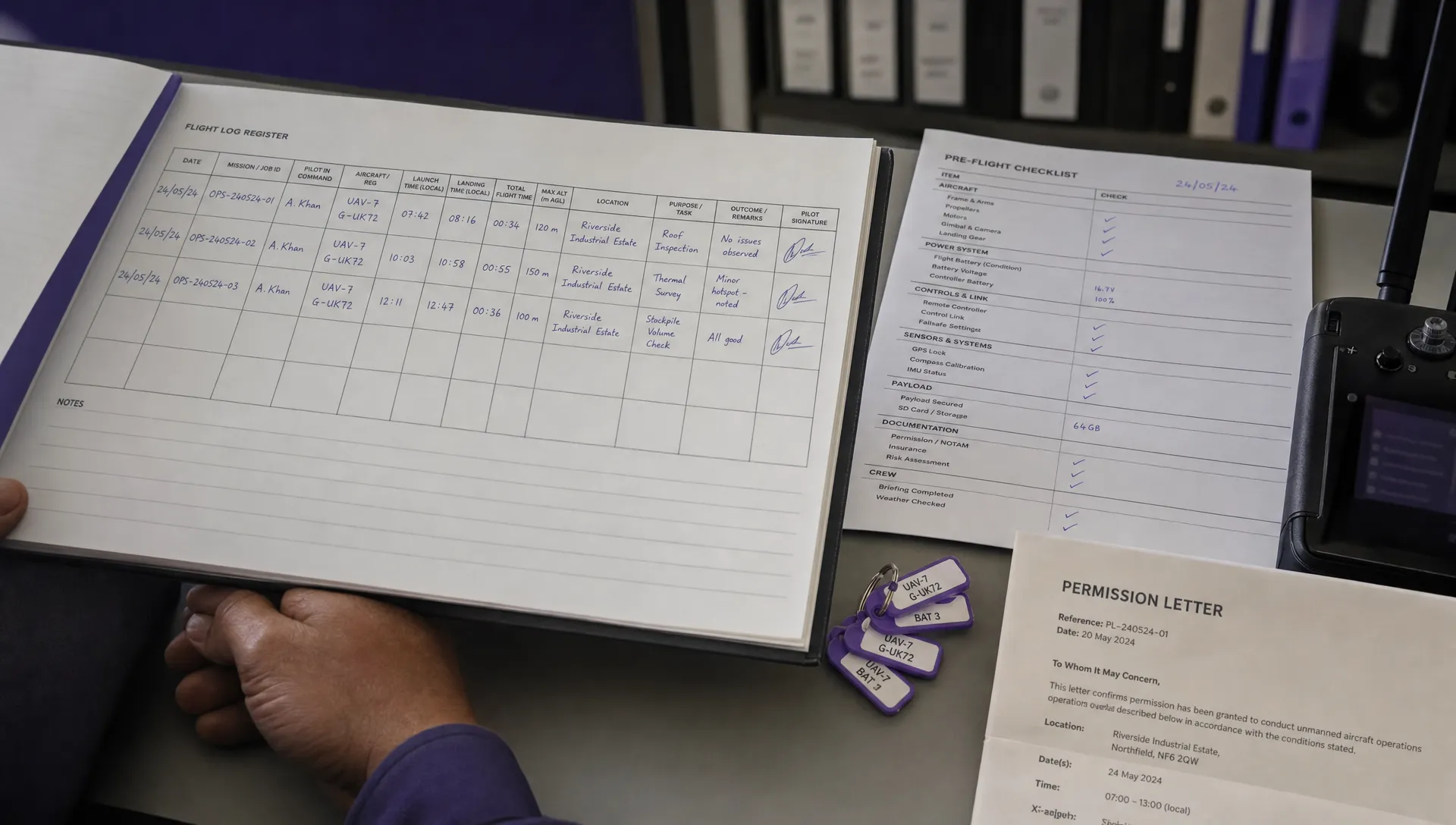 How to Build a Drone Pilot Flight Log That Is Audit Ready →
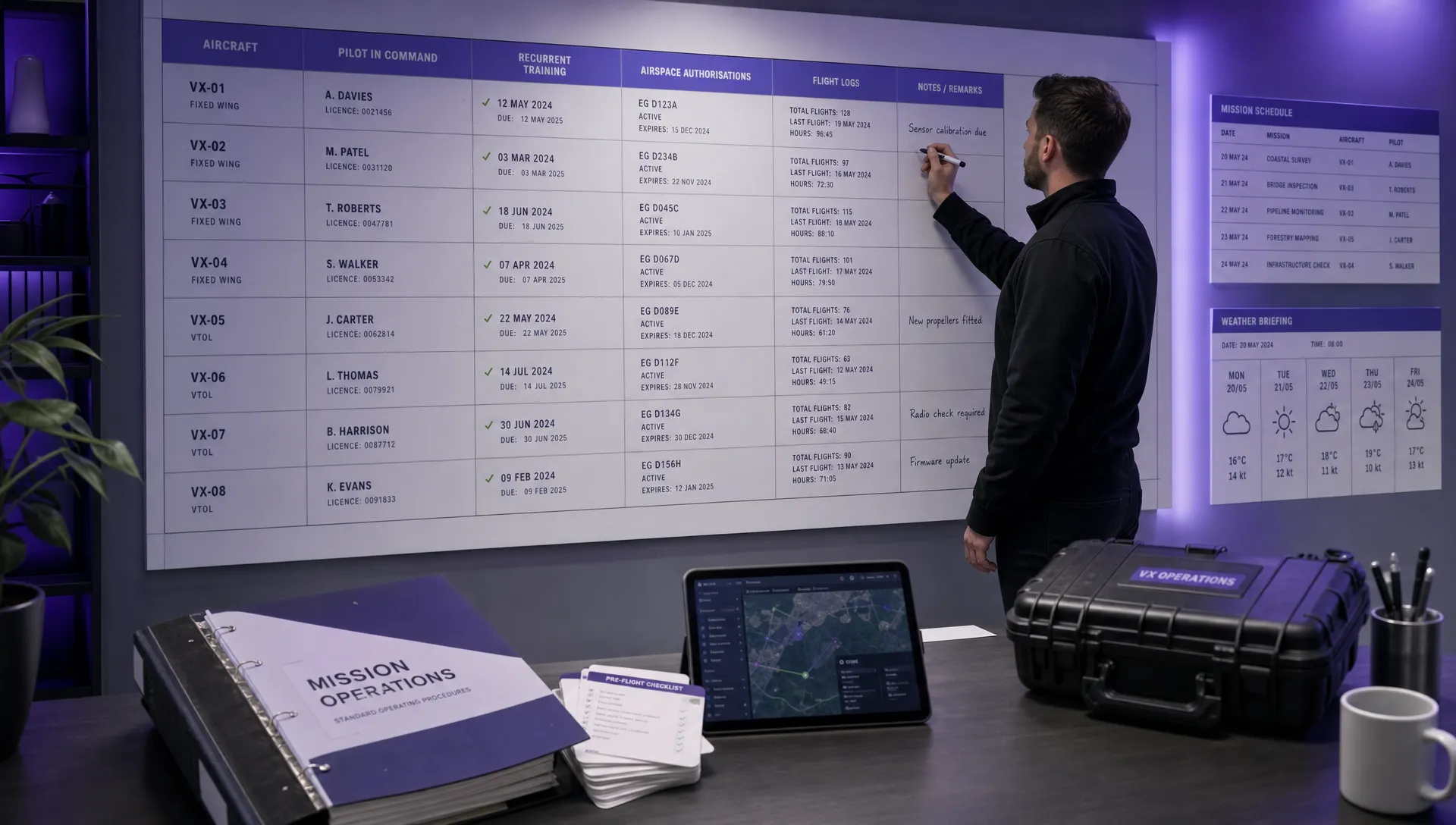 FAA Drone Licence Requirements for Commercial Pilots →
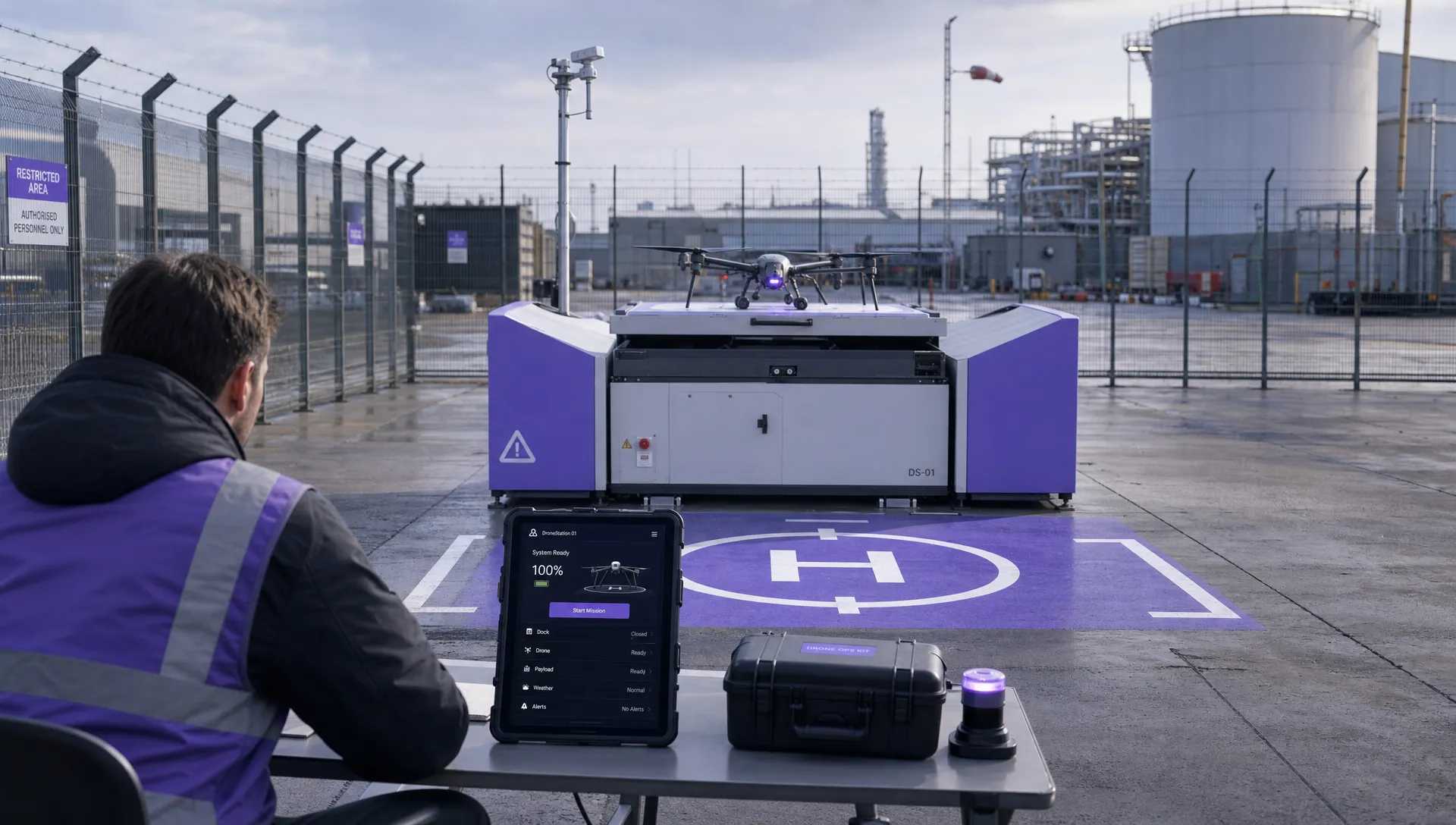 FAA BVLOS Waivers Granted: What Successful Cases Show →
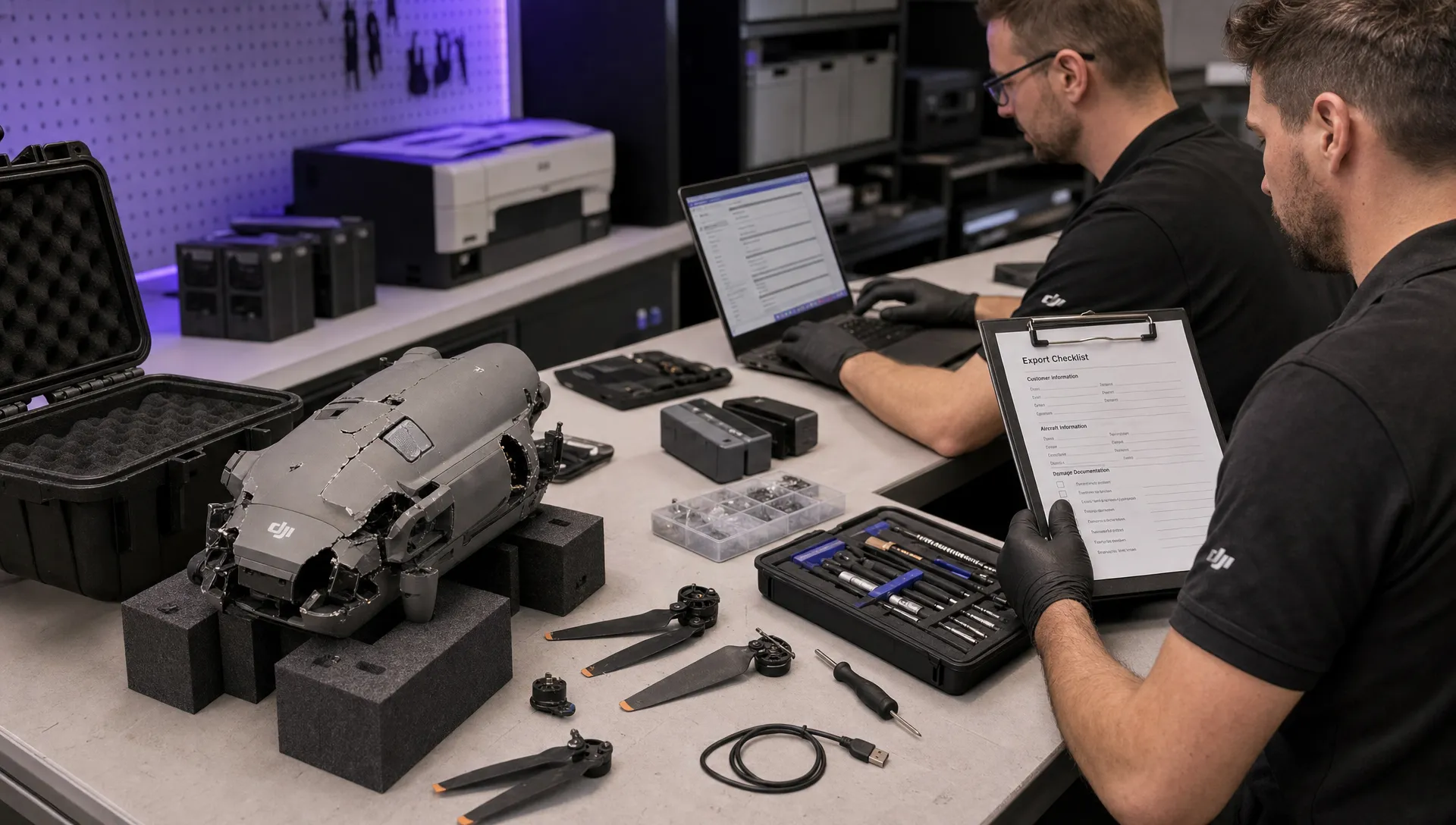 How to Export DJI Flight Logs for Incident Reviews →
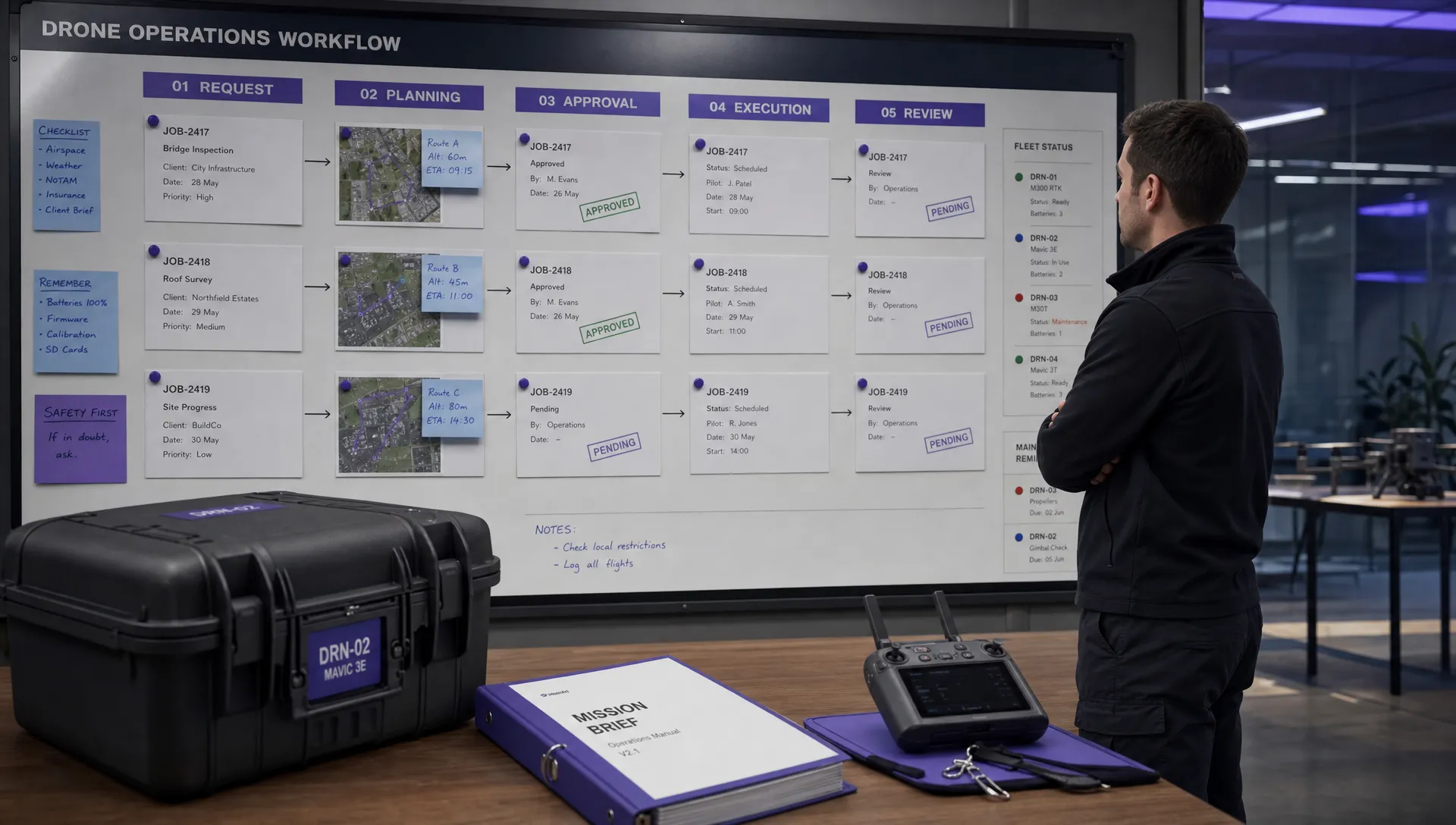 Drone Safety and Legal Duties for Business Operations →
 EASA Drone Regulations: Open, Specific and Certified Categories →