
Smarter Skies How AI Transforms Drone Flights
Let's be honest, when most people hear "artificial intelligence (AI)", their minds jump straight to sci-fi movies and sentient robots. The reality, especially for drone operators, is a lot more practical and, frankly, more useful. Think of AI not as a replacement for the pilot, but as the ultimate digital co-pilot.
It's a system designed to do things that typically need human brainpower—like spotting patterns, predicting problems, and handling complex tasks—making every flight safer and a whole lot more efficient.
Your New Co-Pilot AI in the Sky
Imagine having an expert partner on every single mission. This partner handles all the mind-numbing analysis and automates the tasks you do over and over again. That's exactly what AI brings to the drone industry. It’s not here to take your job; it’s here to supercharge your skills, freeing you up to focus on the big-picture decisions while it crunches the numbers.
This co-pilot works by tearing through massive amounts of data at speeds no human could ever match. It can be trained to pick out specific objects from thousands of aerial photos, predict when a propeller motor is about to give out, or calculate the most efficient flight path to cover a large area. This all happens through software that learns from data and makes smart decisions based on what it finds.
Understanding the Levels of AI
Not all AI is built the same. The technology sits on a spectrum, from simple automation to the kind of self-aware systems we only see in fiction. For professional drone work, knowing the difference helps you see where AI delivers real value today.

As you can see, the AI we use in drones right now is Narrow AI. It's designed to do one specific job and do it exceptionally well. This focus is what makes it such a reliable and practical tool for commercial drone operators, separating it from the more theoretical, and far-off, types of artificial intelligence.
Let’s take a look at how these focused AI capabilities are put to work in the field.
| Core AI Functions in Drone Operations | | :--- | :--- | :--- | | AI Capability | Functionality | Impact on Operator | | Computer Vision | Identifies objects, defects, or changes in aerial imagery. | Automatically detects cracks in a bridge or signs of disease in crops, saving hours of manual review. | | Predictive Maintenance | Analyzes flight logs and sensor data to forecast equipment failure. | Prevents costly downtime by flagging a component for replacement before it fails. | | Autonomous Navigation | Optimizes flight paths and enables navigation in complex environments. | Ensures complete and efficient site coverage, even in areas without GPS signal. | | Data Analytics | Processes large datasets to extract meaningful insights and trends. | Turns thousands of data points into clear, actionable reports, like a 3D model or a progress update. |
These functions turn a drone from a simple data-capture tool into an intelligent business asset, delivering insights that were previously impossible or just too time-consuming to get.
AI as a Standard Business Tool
Using artificial intelligence isn't some fringe trend anymore; it's becoming a core part of how smart businesses operate. In fact, a whopping 9 out of 10 organizations are already using AI to stay ahead of the curve. This isn't surprising when you see the money pouring in—global AI investment is expected to rocket from USD 233.46 billion to over USD 1.7 trillion by 2032. You can dig into more of these findings on the growing AI market at fortunebusinessinsights.com.
The real power of AI in drone operations lies in its ability to turn raw data into actionable intelligence. It transforms thousands of images into a precise 3D model or analyzes flight logs to prevent costly equipment failures before they ground your fleet.
This move from manual review to automated insight is what gives operators a serious leg up. Instead of spending days sifting through footage, a pilot gets a neat report highlighting exactly what needs their attention—a crack in a turbine blade, an area of stressed crops, or a safety hazard on a construction site. It's this automation of brain work that delivers a real return on investment, making drone operations more productive and profitable.
How AI Gives Drones Superhuman Sight
If you think of AI as the drone’s brain or co-pilot, then computer vision is its set of superhuman eyes. It’s a bit like how your own brain works. When you look at something, you don't just see a collection of colours and shapes; you instantly recognise a friend's face, a specific model of car, or a stop sign. Computer vision gives a drone a similar—but often more powerful—ability to make sense of what its camera is looking at. It's the engine that turns a firehose of raw pixel data into useful information.
A standard drone just captures video or photos. An AI-powered drone interprets them. These AI systems are shown millions of images during their training, learning to spot specific objects, identify patterns, and even detect tiny changes with astonishing speed and accuracy. It’s like teaching a child to tell the difference between a cat and a dog, but on a massive, super-fast scale. The drone doesn’t just record the scene; it actively understands what it’s seeing.
From Raw Pixels to Actionable Intelligence
The real magic here isn't just about spotting things. It’s about turning those visual observations into intelligence that a human operator can use right away. A normal aerial photo of a bridge is just that—a picture. But an AI analysis of that same photo can automatically highlight every potential stress fracture, log its exact location, and even classify its severity. That’s how a drone goes from being a flying camera to a high-precision inspection tool.
This is a game-changer for any job that involves looking for small details across huge areas. Think about trying to count thousands of individual trees in a forest survey or manually checking hundreds of solar panels for micro-cracks. The human eye gets tired. Concentration wavers. Details get missed. An AI system does this kind of work without ever getting bored or distracted, flagging only the specific items that need a human expert to take a closer look.
The best way to think about computer vision in drones is as a filter for separating signal from noise. It finds the critical "needle in the haystack"—like a single diseased plant in a huge field—so operators can spend their time solving the problem, not just looking for it.
Practical Applications of AI Vision
The uses for AI-powered computer vision aren’t just some far-off concept; they're already transforming how industries handle monitoring and inspections. It's a practical tool being used right now to make jobs safer, cut costs, and deliver much better data.
Here are a few real-world examples of how this all works in the field:
- Infrastructure Inspection: An AI drone can fly the length of a bridge or power line and automatically flag rust, corrosion, or hairline cracks that would be almost impossible for a person to see from a distance. This means maintenance issues get found before they turn into dangerous and expensive failures.
- Precision Agriculture: In farming, AI can assess crop health from the sky. The system can pinpoint areas struggling with pests, disease, or dehydration, letting farmers apply treatments with surgical accuracy instead of spraying an entire field.
- Livestock Management: Ranchers can use AI-equipped drones to get a precise headcount of their herd spread out over vast pastures—a job that used to take hours can now be done in minutes. Some systems can even be trained to recognise individual animals or spot any that are showing signs of illness.
- Construction Site Monitoring: On a hectic building site, an AI drone can track progress against plans, confirm that materials are stored in the right places, and even identify potential safety risks. This gives project managers daily, data-rich reports to keep everything on track.
In every one of these cases, AI gives drone pilots a massive advantage. It takes over the tedious, error-prone task of visual analysis, freeing up professionals to focus on delivering more valuable and accurate insights for their clients. It’s not just about doing the work faster; it’s about being able to see things that were simply impossible to see before.
Predicting Problems Before They Happen

Think about your car for a second. Long before a tyre goes completely flat, a sensor on your dashboard warns you the pressure is low. That early heads-up gives you plenty of time to sort it out and avoid a dangerous blowout on the motorway. Predictive maintenance for drones works on a similar principle, just far more advanced. It uses AI to act as a hyper-aware mechanic, constantly listening to the drone’s health to catch tiny issues before they turn into mission-ending failures.
Instead of waiting for a component to break, this proactive approach analyses floods of data from every flight. Every single mission generates valuable information—motor temperatures, battery cycle health, tiny vibration frequencies, and flight controller logs. An AI system sifts through all this noise, learning the unique performance signature of a healthy drone. From there, it watches for the slightest deviations from that baseline—patterns completely invisible to the human eye that signal a part is starting to wear out.
Moving from Reactive to Proactive Maintenance
Historically, drone maintenance has been purely reactive. You fly a drone until something gives up, then you ground it for repairs. That old way of doing things leads to unexpected downtime, expensive emergency fixes, and—in the worst-case scenario—an accident during a critical flight. Predictive maintenance flips that entire model on its head.
The AI doesn't just throw up a vague warning, either. It gives you context. For instance, it might spot that one specific motor is consistently running hotter than the others or that its vibrations are subtly changing over time. These are the tell-tale signs of wear and tear. The system can then forecast the component's remaining operational life, letting you schedule maintenance during planned downtime, not in a panic.
The real magic of predictive AI is that it transforms drone maintenance from a guessing game into a data-driven science. It answers the one question that matters: "When is this part actually going to fail?" This lets you get the absolute maximum use out of every component without ever compromising on safety.
This intelligent forecasting brings some serious advantages to the table. By catching problems early, you dramatically cut the risk of in-flight emergencies, making every mission safer. It also slashes repair costs by preventing small issues from cascading into major system failures, which are always far more expensive to fix.
The Business Case for Predictive AI
The benefits of predictive AI go well beyond just safety and cost savings. It directly boosts a business's bottom line by keeping its most valuable assets in the air and working. The less time a drone sits on a repair bench, the more time it's out there completing jobs and generating revenue. The rapid growth of the AI software market, which was projected to hit $126 billion by 2025, shows just how valuable these capabilities are becoming across all industries.
This isn't just hype; the numbers back it up. For example, recent data shows that 89% of small businesses are now using AI tools to automate tasks and get more done.
For a commercial drone business, this translates to fewer cancelled jobs because of unexpected equipment failures and, ultimately, happier clients. Knowing your fleet is reliable allows you to schedule jobs with confidence and plan for the long term. If you want to dive deeper into how this works in the real world, check out our guide on how AI and automation are revolutionising drone operations and how Dronedesk makes it easy. This data-first strategy is no longer a "nice-to-have" but an essential part of running a professional drone fleet at peak efficiency.
AI Drone Missions in the Real World

It's one thing to talk about concepts like computer vision and predictive maintenance, but it's another thing entirely to see them solving real problems. This isn't some futuristic idea; the fusion of AI and drone operations is happening right now, delivering solid results across a whole range of industries. And we're not talking about small tweaks here—these are fundamental shifts in how important work gets done.
Let's step away from the theory and look at some incredible stories of AI-powered drones in action. These examples show how the technology is helping operators do everything from saving crops and protecting critical infrastructure to finding missing people.
Saving Crops with Surgical Precision
Picture a farmer with hundreds of acres of corn. A sudden pest infestation can chew through a massive chunk of their harvest, easily costing them tens of thousands. The old-school way to deal with this is to blanket-spray the entire field with pesticide—an expensive, wasteful, and environmentally damaging approach that hits healthy plants just as hard as the sick ones.
This is where an agricultural drone running AI changes the game. Flying a pre-planned route, the drone’s computer vision system scans every single plant. Because the AI has been trained on thousands of images of healthy and infested crops, it doesn't just see a field of green. It spots the specific tell-tale signs of pest damage with pinpoint accuracy.
The system then creates a "prescription map," highlighting only the problem areas. This map is fed straight to a sprayer drone that applies pesticide with surgical precision, targeting only the affected plants. The result is huge: the farmer saves their crop while using up to 90% less pesticide, which slashes costs and massively reduces the environmental impact.
The AI drone basically gives the farmer a plant-by-plant health report for their entire field. This takes them from broad, inefficient actions to precise, targeted interventions that were impossible just a few years ago.
Automating Infrastructure Safety
Now, think about the dangerous and slow job of inspecting a wind turbine. These enormous structures are constantly beaten up by the weather, and even a tiny crack in a blade can lead to a catastrophic failure. Sending a human crew hundreds of feet into the air is slow, costly, and full of risk.
An inspection drone with an AI co-pilot transforms the whole process. The drone autonomously flies a meticulous pattern around the turbine, capturing thousands of high-resolution images. As the data comes in, the AI on board gets to work, scanning every image for signs of wear and tear: hairline cracks, erosion, lightning damage, you name it.
Instead of a human operator spending days squinting at footage, the AI spits out a detailed report in minutes. It pinpoints every fault, geotags its exact location on the blade, and even classifies how severe it is. Maintenance teams get a clear, actionable to-do list, letting them fix the most critical issues first. This not only makes inspections faster and safer but also helps these valuable energy assets last longer.
Finding a Needle in a Haystack
In a search-and-rescue mission, every single second counts. When a hiker goes missing in a dense forest, the search area can cover miles of tough ground. A standard drone gives you eyes in the sky, but spotting one person among all those trees and shadows is a monumental task for a human operator staring at a small screen.
An AI-powered drone completely changes the search. As it flies over the area, its computer vision model is programmed to look for anything that doesn't belong—the specific colour of a jacket, an unnatural shape, or even a heat signature that isn't from local wildlife. The AI can analyse the entire video feed in real-time, instantly flagging potential sightings for the human operator to check out.
This means the search team isn't just looking anymore; they have an intelligent partner systematically clearing areas and highlighting points of interest. This approach dramatically cuts down the search time, turning what could be a days-long effort into a matter of hours. The result is a much higher chance of finding the missing person quickly and safely, which is what matters most.
The huge potential in these kinds of applications is fuelling massive market growth. The global artificial intelligence market, valued at roughly USD 638.23 billion in 2025, is projected to hit about USD 3,680.47 billion by 2034. You can dig into more data on this expansion in Precedence Research's market analysis.
The examples above are just the tip of the iceberg. Here’s a quick look at how different industries are putting AI drones to work.
AI Applications Across Industries
| Industry | AI-Driven Task | Primary Benefit |
|---|---|---|
| Agriculture | Crop health monitoring & targeted spraying | Increased yield, reduced pesticide use |
| Energy | Wind turbine & solar panel inspection | Enhanced safety, predictive maintenance |
| Construction | Site progress tracking & safety monitoring | Improved project oversight, risk reduction |
| Public Safety | Search & rescue, crowd monitoring | Faster response times, increased success rate |
| Logistics | Autonomous warehouse inventory checks | Drastically improved efficiency & accuracy |
As you can see, the combination of a drone's aerial perspective with an AI's analytical power is creating new ways to solve old problems, making work safer, faster, and more efficient across the board.
Intelligent Flight Management with Dronedesk
Those powerful AI capabilities we’ve looked at—things like superhuman sight and predictive maintenance—are amazing, but they aren’t much good floating around as standalone tech. For a professional drone operator, they need to plug into a central system that handles the entire mission, from planning to reporting. That’s exactly where a dedicated platform like Dronedesk comes in, acting as the intelligent command center for your whole workflow.
Dronedesk is built from the ground up to connect these advanced AI-driven functions with the practical, day-to-day realities of running a drone business. It’s not just about collecting data; it's about making that data actually work for you. By weaving smart, automated features right into the flight management process, the platform cuts out the administrative grind and lays down a solid foundation for more complex AI analysis later on. It essentially turns your operational data into a strategic asset.
Smart Automation for Safer Skies
Let's talk about one of the most nerve-wracking parts of any mission: pre-flight planning and airspace analysis. Trying to manually juggle maps, check for temporary flight restrictions, and spot ground hazards is a slow, painful, and dangerously error-prone process. Miss just one detail, and you could be facing serious compliance headaches or, worse, a safety incident.
This is where Dronedesk's intelligent automation really shines, making the process faster and far more reliable. The system automatically scans your planned flight area and flags potential risks. This isn't just slapping a pin on a map; it's a proper AI-informed analysis that includes:
- Airspace Intelligence: Instantly spots controlled airspace, no-fly zones, and other critical aviation alerts.
- Ground Hazard Detection: Automatically flags nearby schools, hospitals, and other sensitive spots that demand extra caution.
- Real-time NOTAMs: Pulls in the latest Notices to Air Missions so your information is always up-to-the-minute.
Think of this feature as your digital co-pilot or safety net, giving you a clear, comprehensive risk assessment in seconds. It frees you up to focus on what really matters: mitigating the risks it found, instead of spending hours just trying to find them.
By automating the tedious parts of compliance and safety checks, Dronedesk frees up the pilot's mental bandwidth. This allows them to concentrate on higher-level decisions, like executing the mission flawlessly and delivering exceptional results for the client.
Eliminating Busywork with Automated Logging
Once the drone is back on the ground, the admin work usually begins. Manually logging flight times, battery usage, and equipment maintenance schedules is the kind of repetitive busywork that kills productivity. It’s vital for compliance, sure, but it adds very little real value.
Dronedesk gets rid of this headache by automating the entire flight logging process. It syncs directly with your drone (especially DJI models) and captures all the critical flight data without you having to lift a finger. Every last detail—from takeoff and landing times to the specific gear you used—is recorded and organized automatically.
This automated data capture does more than just save you time. It creates a clean, accurate, and perfectly structured dataset for every single flight. This kind of high-quality data is the essential fuel needed for more advanced AI applications, like the predictive maintenance models we talked about earlier. Without precise logs, trying to forecast equipment failure is nothing more than unreliable guesswork. To dig deeper into this, check out our post on how Dronedesk enables smarter drone management with AI automation.
By intelligently handling these foundational tasks, the platform ensures your operational records are always accurate and primed for deeper analysis. It builds the bridge between your daily flights and the powerful insights modern AI tools can deliver, positioning Dronedesk as the essential hub for any professional drone operator who wants to work smarter, not harder.
The Future of Autonomous Drone Operations

We're standing on the edge of the next great leap for drone technology: the move from simple automation to true autonomy. This isn't just a small step; it's a massive jump forward, and it's being powered almost entirely by advancements in AI. We're quickly moving beyond missions where a drone just follows a pre-programmed flight path. The future is about fully autonomous operations, where drones can size up a complex job, map out their own plan, and get it done with little to no human hand-holding.
Think about sending a drone to a huge construction site with one simple command: "Inspect this project for safety issues and check on progress." An autonomous system wouldn't just fly a boring grid pattern. Instead, it would figure out the smartest routes, pinpoint areas that need a closer look, and change its flight plan on the fly based on what it finds. This is the difference between a tool that follows orders and a partner that actually solves problems.
Beyond a Single Drone: Swarm Intelligence
One of the most mind-blowing frontiers is swarm intelligence, where a team of drones works together on a single, massive task. It’s a bit like watching a colony of ants or a flock of birds in action. Each individual communicates and coordinates with the group to achieve something far bigger than any single one could manage alone.
Swarm intelligence isn't just about having multiple drones in the air at once. It’s about creating a shared consciousness where drones can swap data, split up the workload, and react to new information as a single, intelligent unit.
A swarm could, for example, map a sprawling disaster zone in a tiny fraction of the time it would take a lone drone. If one drone discovers its path is blocked, it instantly shares that update with the rest of the swarm, which then adjusts its routes to cover the area without missing a beat. This kind of collaborative AI opens the door to incredible efficiency and scale.
- Coordinated Search: Multiple drones can fan out over a search area, instantly flagging sightings to cover more ground, faster.
- Complex Inspections: Imagine one drone acting as a spotlight, lighting up the underside of a bridge, while another captures high-resolution images.
- Precision Agriculture: A team of drones could work in concert to plant seeds, water specific sections, and monitor crop health across a massive field all at the same time.
The Key to BVLOS Operations
This level of onboard smarts is also the final piece of the puzzle for unlocking true Beyond Visual Line of Sight (BVLOS) operations at scale. For a drone to fly safely miles from its operator, it needs the AI brainpower to understand its surroundings, detect and dodge unexpected obstacles like other aircraft, and make its own safety decisions. The drone essentially becomes its own pilot.
As this tech matures, it will create business models we're only just starting to dream up—from coast-to-coast pipeline inspections to fully autonomous package delivery networks. You can learn more about how drones and artificial intelligence are revolutionizing industries in our detailed guide.
Common Questions About AI in Drones
As drone technology leaps forward, it’s only natural to have questions about how a tool like AI actually fits into your day-to-day work. Let's tackle some of the most common things operators ask when they start looking into this powerful tech.
Do I Need to Be a Programmer to Use AI Drones?
Not a chance. This is probably the biggest misconception out there. Modern AI tools for drones, especially those baked into management platforms like Dronedesk, are built for pilots, not coders. It’s no different from using an app on your phone—you don't need to understand the code to get the benefits.
These systems are designed to put incredibly complex capabilities at your fingertips through simple, intuitive interfaces. You're not writing algorithms from scratch; you're just clicking a button to kick off an automated inspection or generate a detailed report. The system does all the heavy lifting for you.
The entire point of commercial AI is to make sophisticated technology accessible. The focus is always on user-friendly design so you can get the job done without needing a computer science degree.
How Does AI Actually Make Flights Safer?
Standard automation is great for repetitive tasks—it follows pre-set rules, like flying a perfect grid pattern. But AI adds a layer of dynamic awareness that goes much, much further. It’s not just following instructions; it’s actively interpreting data to spot risks that basic automation would completely miss.
For instance, an AI can analyze sensor data to predict that a motor is about to fail before it happens, giving you a heads-up to land and perform maintenance. It also boosts your situational awareness by spotting potential obstacles like a flock of birds or another aircraft, then alerting you or even adjusting the flight path on its own. It's like having an intelligent co-pilot, providing a safety net that works alongside your own skills to make every mission safer.
What Are the First Steps to Start Using AI?
Getting started with AI is way more straightforward than most people think. It all begins with something you're probably already doing: collecting operational data. That data is the fuel for any intelligent system.
Here’s a practical path for any drone business to get going:
- Get a Central Hub: The first step is to use a system like Dronedesk to automatically handle things like flight logging and equipment tracking. This creates the clean, structured data that AI tools need to do their magic.
- Start with Automated Analysis: Dip your toes in by using built-in features like automated airspace analysis or intelligent hazard detection. These are easy, low-effort wins that introduce you to the power of AI in planning and safety.
- Explore Data-Driven Insights: Once you’ve built up a history of well-logged flights, you can unlock more advanced features. Think predictive maintenance alerts or generating slick, data-rich progress reports for clients directly from your flight history.
Ready to manage your drone operations with intelligent tools built for professionals? See how Dronedesk simplifies everything from flight planning to compliance, giving you more time to fly. Get started today at dronedesk.io.
 BVLOS Drone Requirements for Building a Safety Case →
 Drone Pilot Test Mistakes That Cost Candidates Marks →
 FAA 107 License vs Part 107 Certificate: What’s the Difference? →
 Drone Airport Rules: A Field Checklist for Site Assessments →
 FAA Part 107 Record-Keeping Rules for Commercial Teams →
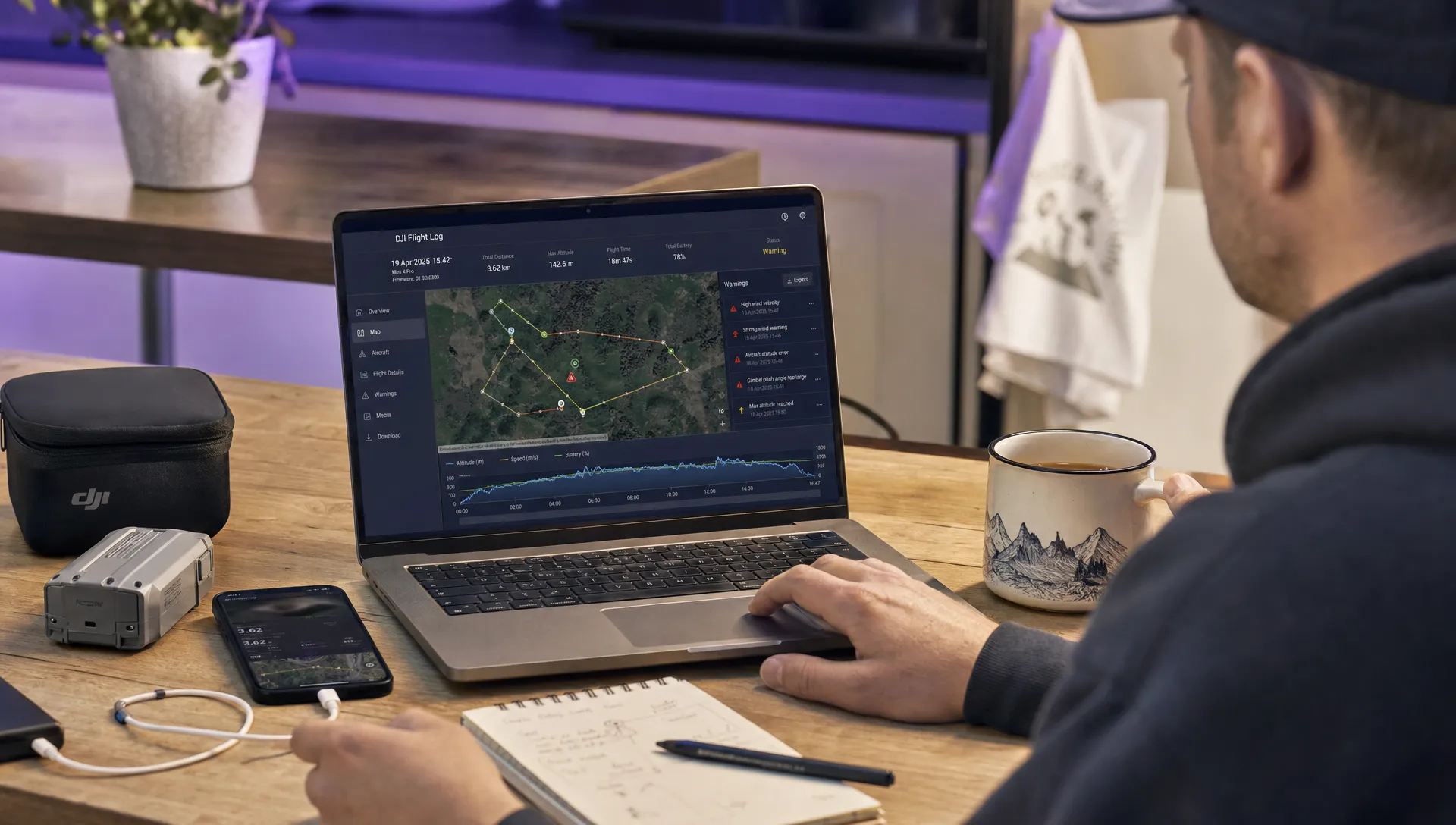 How to Review a DJI Flight Log After an Unexpected Event →
 Drone Laws Around the World: A Pre-Flight Research Framework →
 How to Compare Drone Survey Services for Complex Sites →
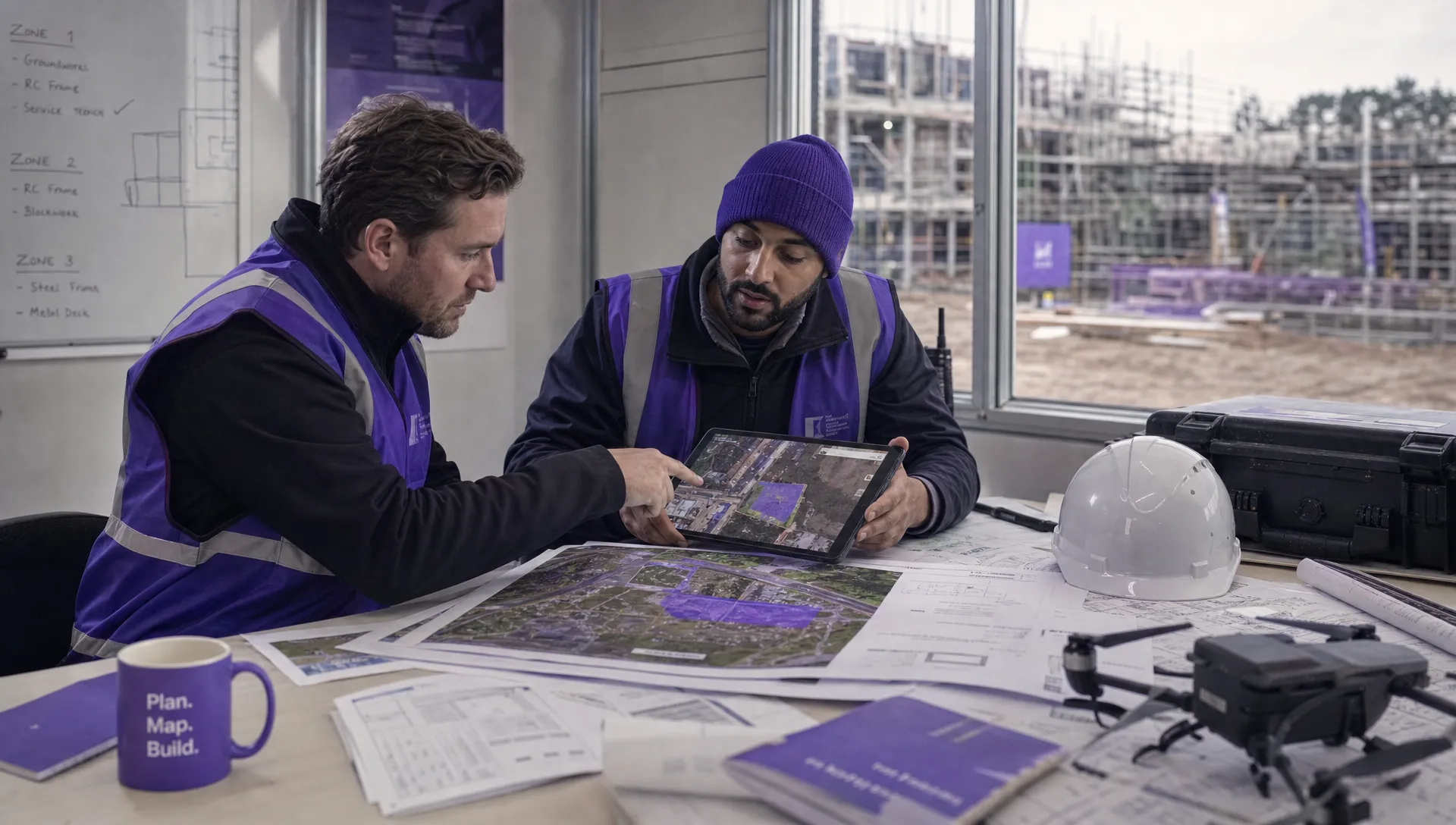 How to Start a Drone Mapping Business With a Clear Workflow →
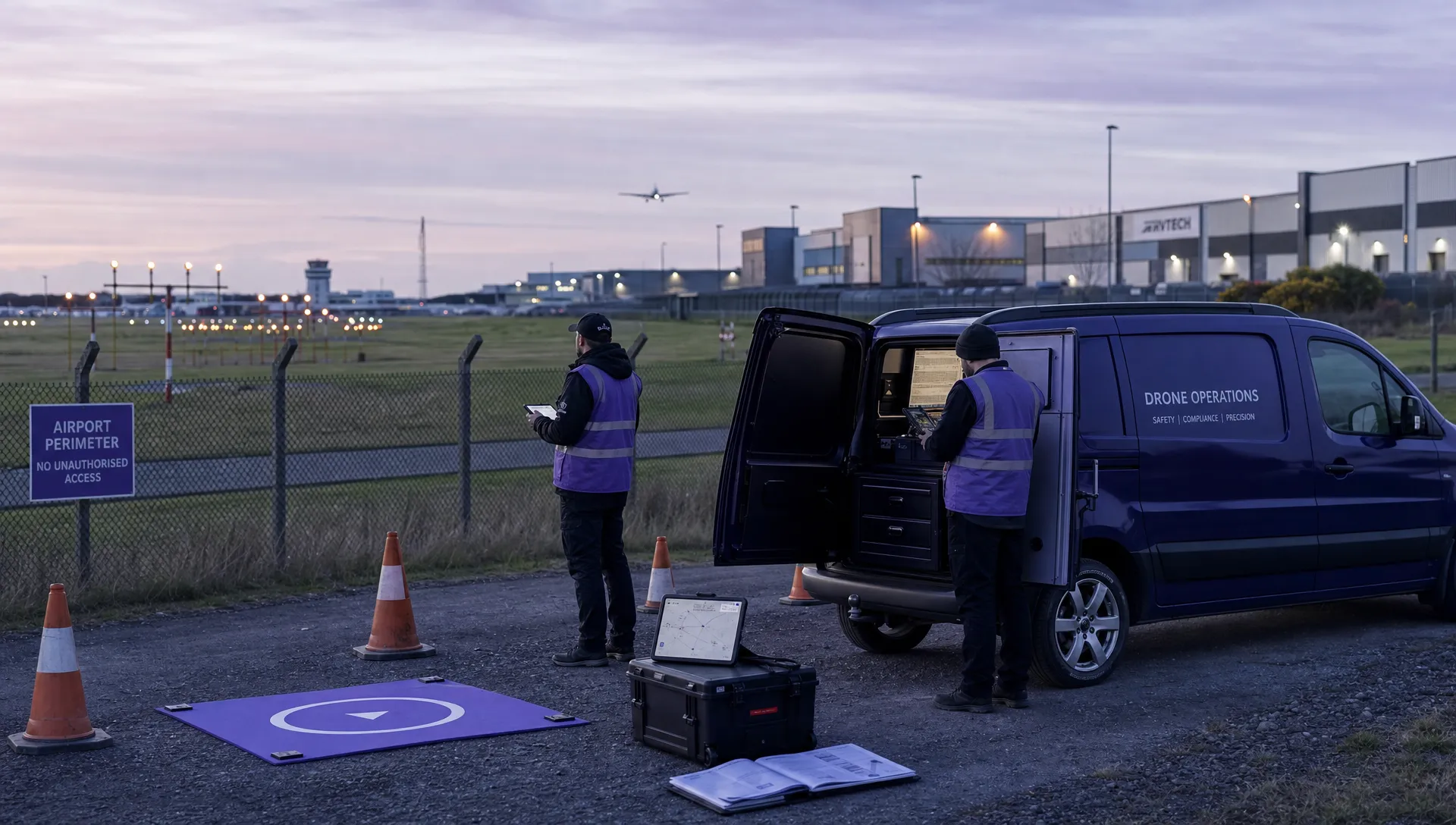 Class C Airspace Drone Rules for Commercial Flights →