
What Makes a Great Drone Operator in 2026?
Anyone can buy a capable drone in 2026. Far fewer people can run a safe, compliant and commercially useful drone operation under real-world pressure.
That difference matters. Clients are more informed, regulators expect better evidence, and the technology itself is no longer the main differentiator. Automated flight modes, high-resolution sensors and mapping platforms have made professional results more accessible, but they have also raised the standard. A great drone operator is not just a good pilot. They are a risk manager, communicator, data collector, records keeper and calm decision-maker.
For survey companies, utility teams, emergency services and independent operators, the question is no longer, “Can you fly?” It is, “Can you deliver the right outcome safely, repeatedly and with a clear audit trail?”
The modern drone operator is defined by judgement, not joystick skill
Manual flying ability still matters, especially when conditions change or automated systems behave unexpectedly. But in 2026, the best drone operators are defined by the quality of their decisions before, during and after flight.
Good judgement starts with knowing when not to launch. That might mean postponing because of gusting winds, unexpected people on site, a conflicting airspace issue, poor GNSS reliability, unclear land access, a fatigued pilot or a client pushing for a shortcut. The strongest operators protect the mission by protecting the margin of safety.
In the UK, the Civil Aviation Authority’s drone guidance remains the starting point for understanding responsibilities, operating categories and authorisation requirements. A great drone operator does not treat regulation as a paperwork exercise. They understand the intent behind it, which is to manage risk in a way that is proportionate to the operation.
That is why professional operators develop a habit of asking practical questions early:
- What could go wrong on this site, on this day, with this aircraft and this crew?
- Who or what could be harmed if the operation does not go to plan?
- What controls genuinely reduce the risk, rather than merely looking good on a form?
- What is the trigger for stopping, delaying or redesigning the task?
If those questions sound familiar, they are the foundation of a robust risk assessment. For a deeper look at building one, Dronedesk has a useful guide on creating a drone flight risk assessment that works.
Compliance has to be operational, not theoretical
A great drone operator can prove what they did, why they did it and who was responsible. That proof is increasingly important for clients in sectors such as infrastructure, public safety, construction, renewables and environmental monitoring.
Compliance in 2026 is not only about holding the right qualifications or authorisations. It is about maintaining a living system of documents, logs and decisions. That includes pilot competency records, aircraft maintenance history, battery management, insurance details, operational procedures, site permissions, flight logs, checklists and incident records where relevant.
The difference between an average operator and a great one often shows up after the flight, when a client, manager, auditor or insurer asks for evidence.
| Area | Average operator | Great drone operator |
|---|---|---|
| Flight planning | Plans the route and checks the weather | Reviews airspace, site constraints, permissions, people, environment, contingencies and data requirements |
| Risk assessment | Completes a generic form | Builds a site-specific assessment with practical controls and go/no-go criteria |
| Records | Keeps scattered files and notes | Maintains searchable, consistent records for aircraft, pilots, clients, flights and decisions |
| Client communication | Confirms date and price | Clarifies objectives, limitations, deliverables, access, safety constraints and dependencies |
| Post-flight process | Uploads files and moves on | Checks data quality, logs the flight, captures lessons learned and follows up professionally |
This is particularly important for organisations scaling beyond one pilot. When multiple pilots, aircraft and clients are involved, informal habits quickly become fragile. The more complex the operation, the more valuable repeatable processes become.
Great operators understand the client’s outcome
A skilled drone operator does not sell “a drone flight”. They solve a problem.
For a survey company, the outcome may be accurate, repeatable data that fits into an existing CAD, GIS or photogrammetry workflow. For a utility company, it may be safer inspection of difficult assets, faster situational awareness or better evidence for maintenance planning. For emergency services, it may be rapid visual intelligence that supports command decisions without putting responders at unnecessary risk.
That means the operator must understand the client’s definition of success before arriving on site. A technically beautiful flight is not valuable if it captures the wrong asset, misses the required angle, uses unsuitable ground control, creates unusable imagery or fails to meet chain-of-custody expectations.
Professional client conversations should cover scope, constraints and deliverables. This does not have to be overcomplicated, but it does need to be explicit. The best operators ask about file formats, accuracy expectations, deadlines, site access, operating windows, data sensitivity, safety inductions and who has authority to approve changes on the day.
| Client environment | What “great” looks like |
|---|---|
| Surveying and mapping | Clear data capture plan, appropriate overlap, control strategy, metadata discipline and quality checks |
| Utilities and infrastructure | Strong site coordination, asset awareness, safe separation, clear reporting and respect for operational constraints |
| Emergency services | Rapid deployment, calm communication, integration with command structure and disciplined evidence handling |
| Commercial property and media | Good permissions, privacy awareness, polished client handling and dependable delivery |
This commercial awareness is one reason the best operators build long-term relationships. Clients remember the person who made the job easier, safer and clearer.
Data quality is now a core flight skill
As drones become more embedded in surveying, inspection, security and emergency response, the quality of the collected data matters as much as the safety of the flight. A drone operator in 2026 needs to understand how aircraft settings, sensor choice, flight geometry and environmental conditions affect the usefulness of the output.
For mapping, that could mean understanding ground sample distance, image overlap, shutter speed, ground control, RTK or PPK workflows, coordinate systems and processing limitations. For inspections, it could mean maintaining consistent distance, angle, lighting and naming conventions so defects can be compared over time. For public safety, it could mean preserving context, timestamps and evidential integrity.
A common sign of an inexperienced operator is assuming that more images always equals better data. A great operator knows that data must be fit for purpose. Too little data creates gaps. Too much poorly structured data creates delays, confusion and avoidable cost.
If mapping is a key part of your operation, it is worth comparing capture and processing tools carefully. Dronedesk’s drone mapping software comparison guide is a helpful starting point for understanding where different platforms fit.
Operational discipline separates professionals from hobbyists
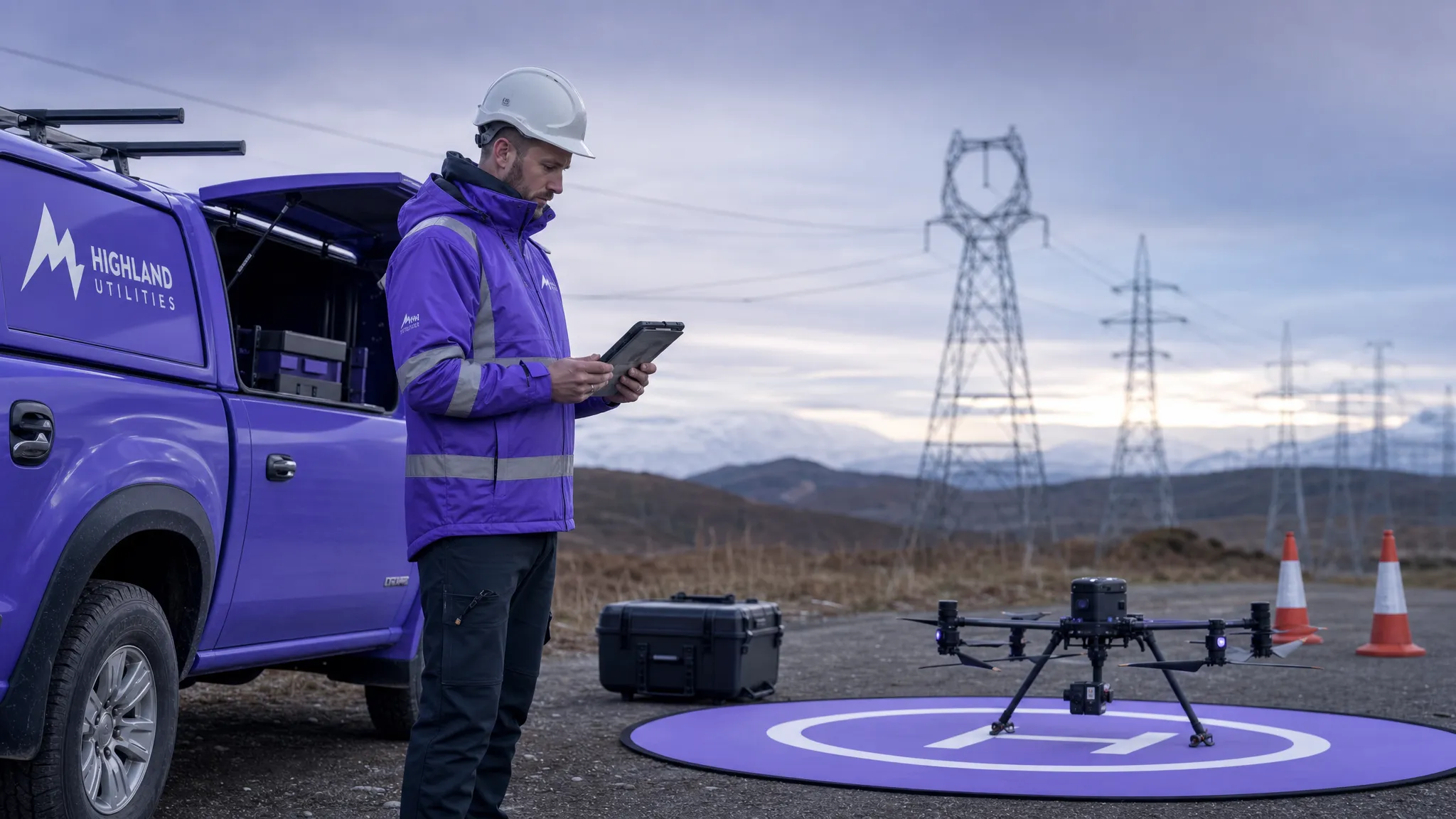
The best drone operators make reliability look boring. Their batteries are labelled and managed. Their firmware status is known. Their aircraft defects are recorded. Their pilots know which checklist to use. Their insurance and permissions are not buried in someone’s inbox. Their flight logs are complete enough to be useful later.
That discipline is not bureaucracy for its own sake. It is what allows an operator to work safely under pressure.
Emergency services understand this instinctively. When time matters, you cannot afford confusion about aircraft readiness, pilot availability or who last checked a battery. Survey and utility teams face similar pressures, just in different forms. A limited road closure, short weather window, tidal constraint or outage period can make operational readiness commercially critical.
For growing teams, fleet management becomes a serious capability. Keeping track of aircraft, batteries, maintenance, pilots and documentation with spreadsheets can work for a while, but it becomes harder as complexity increases. Dronedesk’s complete guide to drone fleet management explores when operators typically outgrow manual systems and what to look for in fleet management software.
The key point is simple: a great drone operator knows that the flight is only one part of the operation. The surrounding system determines whether that flight is repeatable, defensible and scalable.
Human factors matter more as automation improves
Modern drones are highly capable, but people still make the critical decisions. Human factors such as fatigue, stress, distraction, overconfidence, poor communication and commercial pressure can undermine even a technically simple flight.
A great operator actively manages those risks. They brief the team clearly, confirm roles, encourage challenge, and make sure everyone understands the plan and abort criteria. They do not treat questions as a threat to authority. They see them as a safety net.
This is especially important in emergency response and complex industrial environments. A drone team may be working alongside police, fire, mountain rescue, highways teams, site managers, plant operators or members of the public. Clear communication prevents assumptions. It also helps non-drone stakeholders understand what the aircraft can and cannot do.
The best operators also manage themselves. They recognise when they are rushing, tired or trying too hard to satisfy a client request. They create space to think. They use checklists properly, not performatively. They know that professionalism often looks like slowing down before speeding up.
Privacy, data protection and public trust are part of the job
Drone operations can affect people who never asked to be involved. That makes privacy and public perception a core part of professional practice, particularly when cameras, thermal sensors or repeat operations are involved.
A responsible drone operator considers what data is being captured, whether it is necessary, how it will be stored, who can access it and how long it should be retained. In the UK, organisations should also consider data protection obligations where imagery can identify individuals. The Information Commissioner’s Office provides useful guidance on video surveillance and data protection.
Public trust is not built only by obeying the law. It is built by behaving visibly and predictably. High-vis clothing, clear signage, polite explanations, defined take-off areas and professional conduct can reduce friction on site. So can avoiding unnecessary flights over people or property, even where a technical argument could be made for doing so.
In 2026, reputation travels quickly. A careless flight can damage not only one operator’s business, but also public confidence in drone use more broadly.
Adaptability is now a competitive advantage
The drone sector changes quickly. Aircraft capabilities evolve, airspace systems mature, clients become more sophisticated and regulators refine expectations. A great drone operator treats learning as part of the job.
That does not mean chasing every new aircraft or software trend. It means understanding which changes genuinely improve safety, efficiency or data quality. It also means staying aware of industry news, safety notices, regulatory updates and lessons from incidents.
Operators who improve deliberately tend to review their own work. After a job, they ask what went well, what introduced friction, what could be standardised and what needs to change before the next mission. This habit is valuable for sole operators and essential for teams.
A simple post-flight review can capture useful learning without becoming a formal investigation. What caused delays? Did the risk controls work? Was the client brief accurate? Were the images or outputs accepted first time? Did the team have the right equipment? Were any assumptions wrong?
Over time, these questions create a better operation.
The practical traits of a great drone operator in 2026
If you want a concise benchmark, the strongest operators tend to share a recognisable set of habits. They are not always the flashiest pilots, but they are the people clients and colleagues trust.
- They plan thoroughly without making the process unnecessarily complicated.
- They understand the rules that apply to their operation and keep evidence organised.
- They use risk assessments as decision-making tools, not paperwork shields.
- They communicate clearly with clients, crews, landowners and stakeholders.
- They understand the data outcome, not just the flight path.
- They keep aircraft, batteries, pilots and documentation ready for work.
- They stop or change the plan when conditions no longer match the assumptions.
- They protect privacy, public confidence and the reputation of the industry.
- They learn from every operation and improve the system, not just the individual flight.
The unifying theme is professionalism. A great drone operator makes it easier for everyone else to trust the operation.
Where operations software fits
Software does not replace good judgement. It cannot decide whether a pilot is fatigued, whether a client expectation is realistic or whether the safest choice is to postpone. But the right system can support the habits that great operators rely on.
Dronedesk is an all-in-one web platform for drone operations management. Its features include client management, fleet management, team management, airspace intelligence, proximity intelligence, flight planning, flight logging, data reporting, configurable checklists and risk assessments. In practical terms, that means operators can bring more of their operational admin into one place rather than relying on disconnected files, forms and spreadsheets.
For organisations that need a consistent, auditable workflow across pilots, aircraft and jobs, Dronedesk’s drone operations features are designed around the day-to-day realities of professional drone work.
The goal is not to make operations more complicated. It is to make good practice easier to repeat.
Frequently Asked Questions
What qualifications does a drone operator need in 2026? The answer depends on where you operate, the drone you use and the risk profile of the mission. In the UK, operators should refer to CAA guidance and ensure they have the appropriate competency, registration and authorisation for their type of operation.
Is flying skill still important for professional drone operators? Yes. Manual handling, situational awareness and emergency control remain important. However, professional success now depends just as much on planning, risk management, compliance, communication and data quality.
What makes a drone operator suitable for survey work? Survey work requires more than capturing sharp images. A strong operator understands accuracy requirements, flight planning, overlap, ground control where relevant, metadata, processing constraints and the client’s final deliverable.
How can emergency services choose a reliable drone operator or build an internal team? Look for disciplined procedures, clear role allocation, strong record keeping, rapid but controlled deployment processes, and the ability to integrate with incident command structures. Consistency matters as much as aircraft performance.
Can software make someone a better drone operator? Software cannot replace competence or judgement, but it can support better habits by centralising planning, checklists, risk assessments, fleet records, team information and flight logs.
Build the standard clients expect
A great drone operator in 2026 is safe, organised, commercially aware and technically curious. They understand that every flight is part of a larger system involving people, assets, airspace, data, compliance and trust.
If you are building that standard for yourself or your team, Dronedesk can help you manage the operational detail behind professional drone work. Explore Dronedesk to see how an all-in-one platform can support safer, more consistent drone operations.
 Drone Manufacturers Compared for Enterprise Operations →
 How to Prepare for the Drone Licence Test →
 How to Choose a Drone Mapping Service for Your Project →
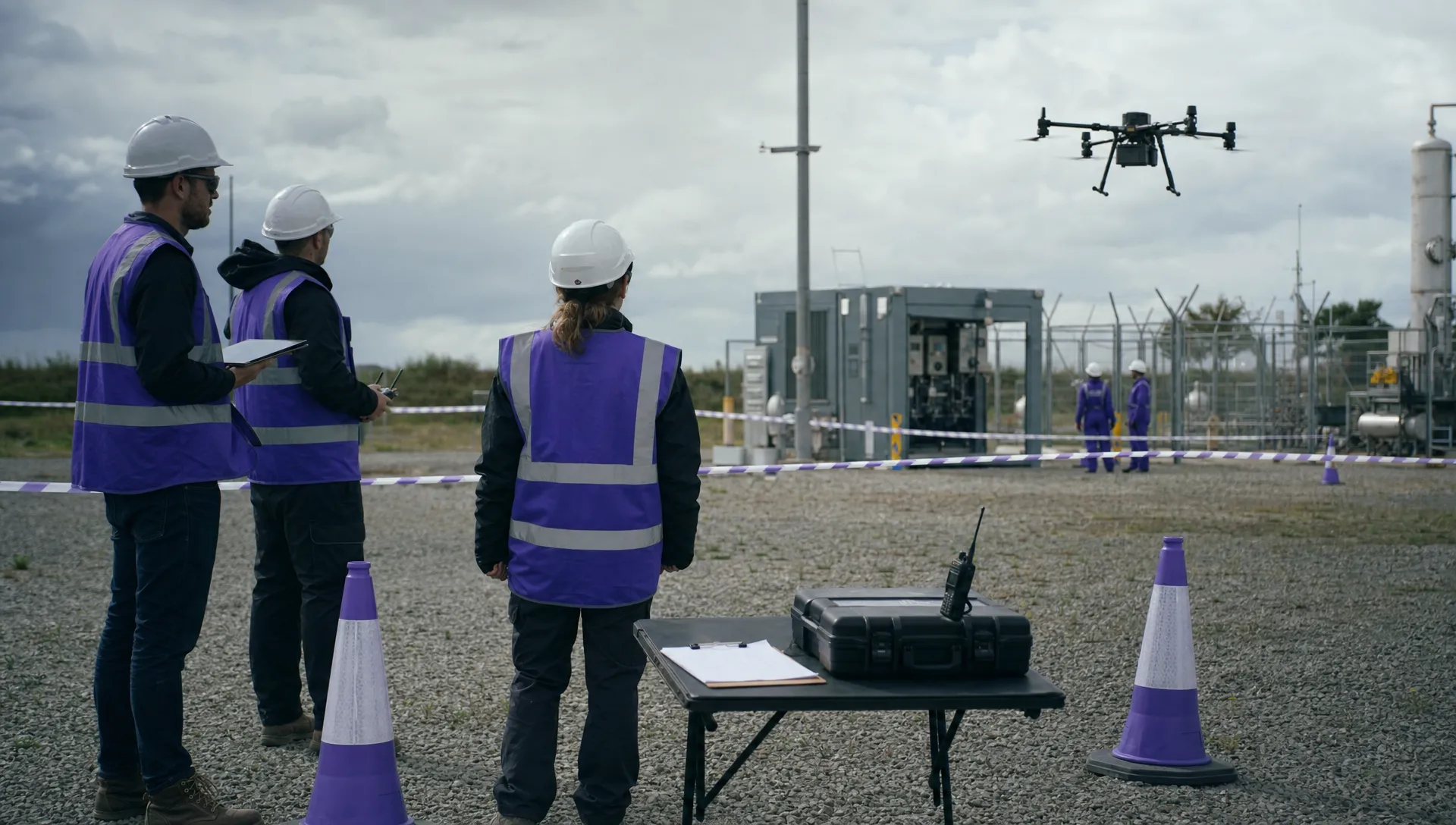 Drone Safety Rules That Every Commercial Team Needs →
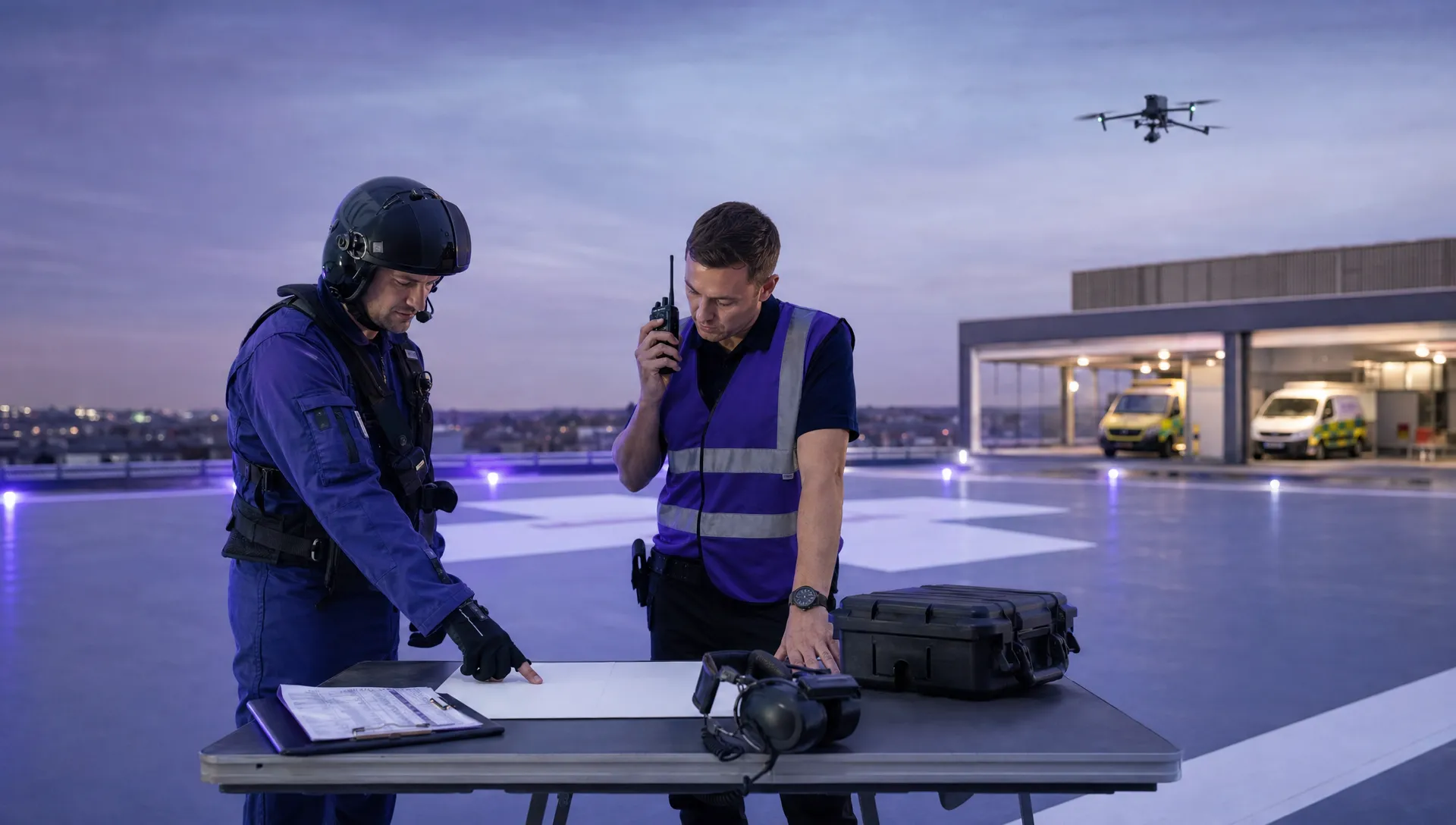 Airport Drone Rules: How to Plan Flights Without Surprises →
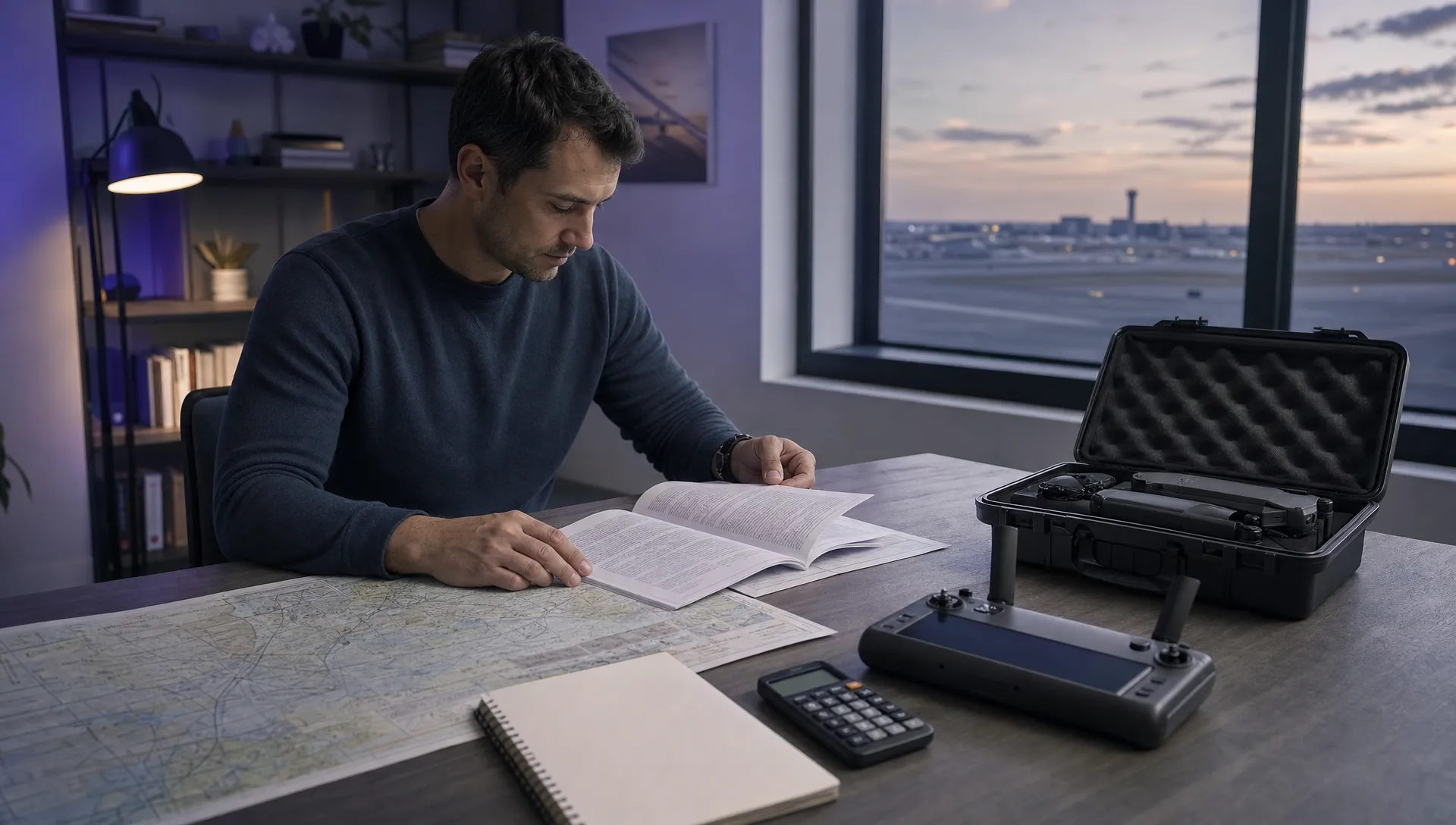 FAA Part 107 Licence: Your Step-by-Step Application Guide →
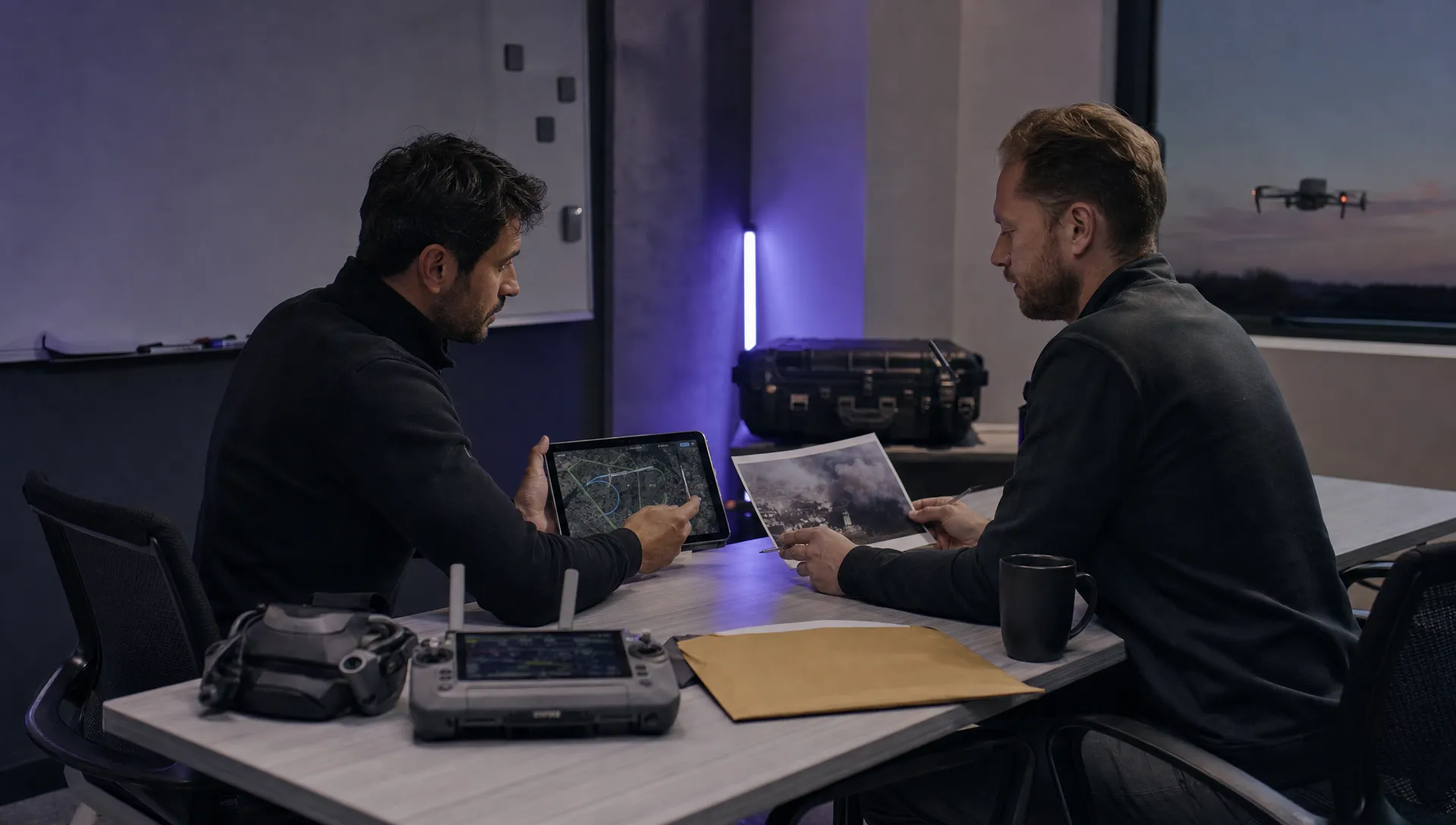 How to View DJI Flight Logs Online Safely →
 What Part 107 Covers Beyond the Pilot Certificate →
 How to Download and Read a DJI Flight Log →
 Drone Videography Planning Tips for Professional Crews →