
Drone Registration Regulations Businesses Must Follow
For a business, drone registration is not just an admin step before the first flight. It is the foundation that connects an aircraft, a responsible operator, a remote pilot, an operating category and an auditable safety record.
That matters whether you run roof surveys, utility inspections, construction mapping, emergency response support or media work. If a regulator, insurer or client asks who was responsible for a flight, which aircraft was used, who flew it and whether the correct permissions were in place, your answer needs to be clear and documented.
This guide focuses mainly on UK drone registration regulations, with practical notes for companies that also operate in the EU or the United States. It is written as an operational checklist, not legal advice. Always confirm the latest requirements with the relevant aviation authority before flying.
What drone registration actually covers
Drone registration is often misunderstood because people use one phrase to describe several different compliance duties. In the UK, registration usually involves the Civil Aviation Authority (CAA) drone and model aircraft registration system, but that is only one part of the picture.
A compliant business operation may need to manage:
- The legal operator registration for the organisation responsible for the aircraft
- Remote pilot competency, such as a Flyer ID and any additional qualifications needed for the mission
- Aircraft identification, including displaying the correct Operator ID
- Operational authorisation for flights that fall outside the Open category
- Insurance, record keeping and evidence of maintenance, training and planning
The key point is this: being registered does not automatically make every flight legal. A company can have the correct Operator ID and still breach the rules if the mission needs an operational authorisation, uses an unqualified pilot or ignores airspace restrictions.
UK drone registration regulations businesses must follow
The UK system separates the operator from the flyer. For small owner-operator businesses, those may be the same person. For survey firms, utilities and emergency services, they are often different.
1. Register the business as the drone operator
The operator is the person or organisation responsible for managing the drone. If the aircraft is owned, hired or controlled by a company, the operator is usually the business, not simply the individual pilot.
Under the UK CAA system, an Operator ID is generally required if you are responsible for a drone or model aircraft that weighs 250g or more, or that has a camera and is not classed as a toy. In practice, most commercial drones used for inspection, surveying, mapping, public safety or media work will need operator registration.
You can register through the CAA drone registration service. The Operator ID must then be displayed on the aircraft in line with CAA instructions. Businesses should make sure the Operator ID, not a pilot’s Flyer ID, is marked on each relevant drone.
Operator registration is not something to do once and forget. In the UK, Operator IDs must be renewed, and the person responsible for drone compliance should keep a renewal diary so the business does not accidentally fly under an expired registration.
2. Make sure each remote pilot has the right competency
The Flyer ID belongs to the person flying the drone. It proves that the pilot has passed the CAA’s basic flying test and understands the core rules in the Drone Code.
For many drones over 250g, pilots need a Flyer ID. Even where a Flyer ID is not strictly required, such as some sub-250g operations, it is often sensible for business pilots to complete the test because it creates a basic evidence trail of awareness.
Some work needs more than a Flyer ID. Depending on aircraft weight, operating area and risk level, a pilot may need additional training or qualifications, such as an A2 Certificate of Competency or evidence supporting a Specific category operational authorisation. The exact requirement depends on the mission, not simply whether the work is paid.
This is an important change from older UK terminology. The previous “Permission for Commercial Operations” model is no longer the way to think about most commercial drone work. Today, risk category, aircraft type, location and operating method are the main drivers.
3. Know whether the flight is Open, Specific or Certified
Business operators should classify every job before accepting it. In the UK, drone operations are broadly grouped into Open, Specific and Certified categories.
The Open category covers lower-risk operations that stay within strict limits. These may not need an operational authorisation from the CAA, even when the flight is for business, provided all Open category rules are met.
The Specific category covers operations with higher risk, such as flights close to people beyond Open category allowances, complex industrial environments, some emergency service scenarios or operations requiring enhanced procedures. These usually need an operational authorisation based on risk assessment and documented procedures.
The Certified category is for the highest-risk operations, such as carrying people or operating in ways closer to crewed aviation. Most small commercial drone businesses will not operate in this category, but larger future operations may encounter it.
The CAA’s Drone Code is the starting point, but businesses should go beyond a pilot’s basic understanding and build category checks into their job acceptance and flight planning process.
Registration and authorisation are not the same thing
A common compliance failure is assuming that registration “covers” the business for commercial work. It does not.
Registration identifies the responsible operator. Operational authorisation, where required, approves a particular type of operation under defined procedures. Insurance protects the business and third parties. Pilot competency shows the person flying has the required knowledge or qualification. All of these pieces work together.
Here is a practical comparison:
| Compliance item | What it proves | Who manages it | Typical business record |
|---|---|---|---|
| Operator ID | The responsible drone operator is registered | The business or accountable manager | CAA registration confirmation and renewal date |
| Flyer ID | A pilot has passed the basic CAA test | Each remote pilot | Pilot profile, expiry date and certificate evidence |
| Operational authorisation | The CAA has approved higher-risk operating procedures | The operator | Authorisation document, operations manual and conditions |
| Insurance | The business has appropriate cover | The operator or business owner | Policy schedule, cover limits and renewal date |
| Flight logs | What happened on a specific mission | Pilot and operator | Aircraft used, crew, location, timings and notes |
For audit purposes, these records should be easy to retrieve by aircraft, pilot, client and job. That is especially important for repeat inspection contracts, infrastructure work and public sector operations where procurement teams often ask for proof of compliance before awarding or renewing work.
Commercial drone insurance is part of the compliance picture
For UK business operations, insurance is not optional in the way some recreational operators might think about it. Commercial drone work generally requires appropriate aviation liability insurance, and clients may impose additional minimum cover levels through contracts or procurement frameworks.
Insurance should match the real operation. A small roof inspection company, a utility inspection team and an emergency service support unit may face very different risks. The policy should reflect aircraft type, operating locations, payloads, countries of operation and whether subcontractors are included.
Registration records also support insurance claims and renewals. If an incident occurs, the insurer may want to know which aircraft was used, who flew it, whether the aircraft was registered, whether the pilot was competent and whether the flight was planned within the rules.
Common business scenarios and what to check
The exact rules depend on the aircraft and operation, but the table below shows how registration questions usually arise in commercial settings.
| Scenario | Registration and compliance checks |
|---|---|
| A sub-250g camera drone used for quick site photos | Operator registration is usually needed if the drone has a camera and is not a toy. Check whether the pilot needs a Flyer ID and document the flight. |
| A mapping drone used for construction progress surveys | Register the operator, display the Operator ID, verify pilot competency, check Open category limits and confirm insurance. |
| Utility inspection near infrastructure or constrained sites | Check whether the operation remains in the Open category. If not, ensure Specific category authorisation and risk controls are in place. |
| Emergency response support | Confirm organisational registration, pilot competency, airspace permissions, incident command procedures and any authorisation conditions. |
| Use of subcontracted drone pilots | Verify whether they operate under their own registration and insurance or under your organisation’s procedures. Keep evidence before the job starts. |
| Adding a new aircraft to the fleet | Mark it with the correct Operator ID, update fleet records, record serial numbers and confirm maintenance responsibilities before deployment. |
The safest approach is to treat registration as part of job readiness. If the registration, pilot evidence or aircraft records are missing, the flight should not move to final approval.
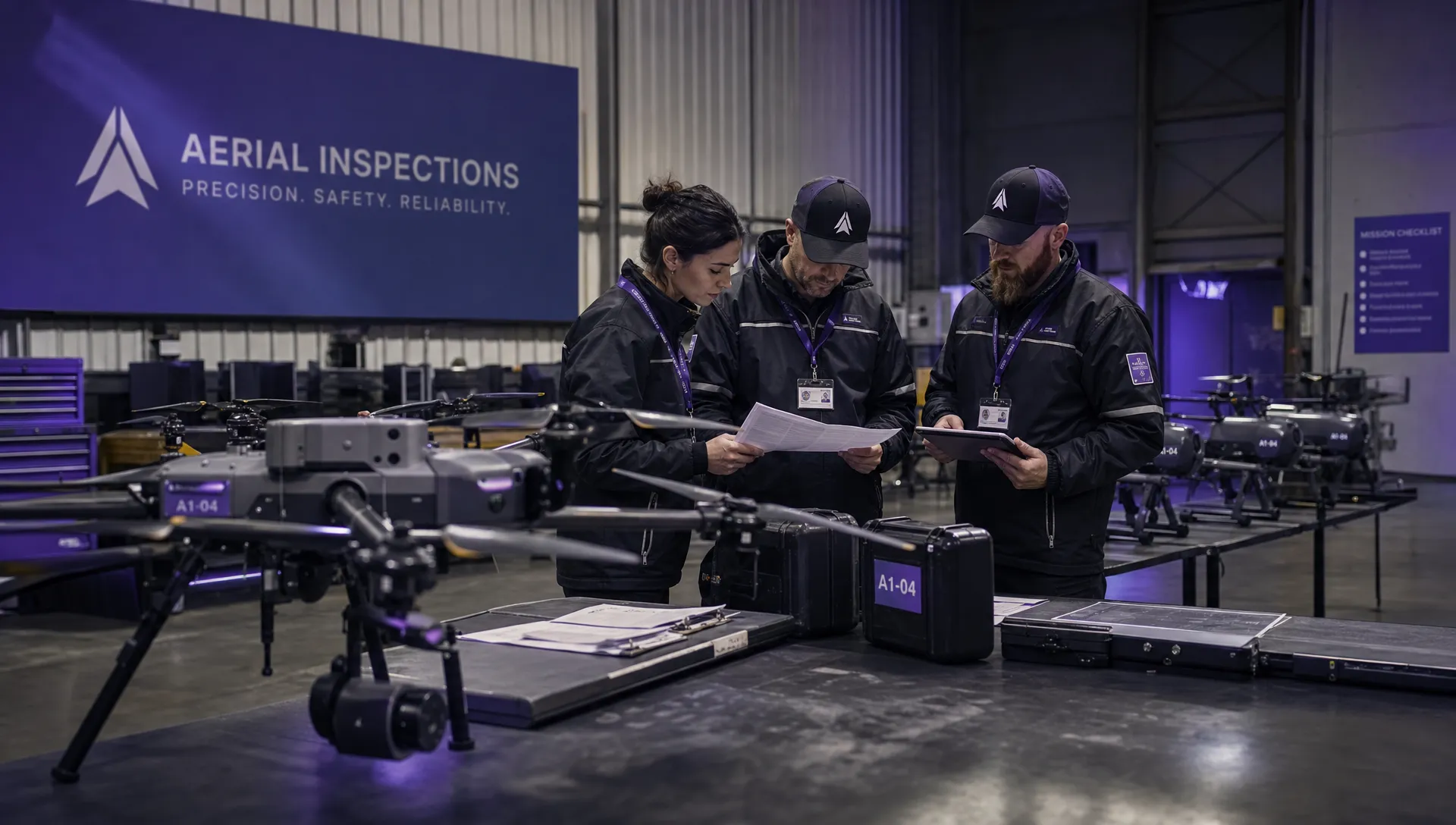
International operations: EU and US rules to watch
Many UK drone businesses work near borders, support overseas clients or provide services to multinational utilities and survey companies. Do not assume your UK registration travels with you automatically.
Operating in EASA countries
In the EU and other EASA-aligned states, drone operator registration is managed through the national aviation authority of the member state where the operator has its principal place of business or residence. EASA guidance explains that operators generally register once in the relevant member state and use that registration across EASA countries, subject to local rules and the correct operating category.
As in the UK, many drones with cameras or over 250g trigger registration duties. Operators also need to consider remote pilot competency, Open category subcategories, Specific category authorisations and any local geographic zones. EASA’s civil drones guidance is a useful starting point before checking the national authority for the country of operation.
Operating in the United States
In the US, business drone operations usually fall under FAA Part 107. Drones used under Part 107 must be registered through the FAA DroneZone, and the registration number must be displayed as required by the FAA. Remote pilots also need a Part 107 Remote Pilot Certificate.
US operators must also consider Remote ID. The FAA’s Remote ID rules apply to many registered drones, although exceptions and specific operating methods may apply. If you are sending aircraft or staff to the US, check registration, Remote ID, pilot certification and airspace approval requirements before committing to the work.
| Jurisdiction | Business registration focus | Extra checks |
|---|---|---|
| UK | CAA Operator ID for the organisation, Flyer ID or other competency for pilots | Open or Specific category, insurance, airspace restrictions and authorisation conditions |
| EASA countries | Operator registration through the relevant national aviation authority | Local geographic zones, pilot competency and category-specific requirements |
| United States | FAA registration for Part 107 aircraft | Remote Pilot Certificate, Remote ID and LAANC or airspace approvals where applicable |
How to build registration into your operating process
The businesses that stay compliant are usually not the ones relying on memory. They turn registration and competency checks into repeatable workflows.
A practical process should include four control points.
First, check compliance at procurement. Before a drone enters service, record its make, model, serial number, weight class, payloads, Operator ID marking status and maintenance responsibility. If your fleet is growing, the Dronedesk guide to drone fleet management explains why spreadsheets often become risky as aircraft, batteries, pilots and maintenance records multiply.
Second, check pilot readiness during onboarding. Each employee or contractor should have a profile that records Flyer ID status, additional qualifications, insurance position if subcontracted, role permissions and any restrictions on the type of work they can conduct.
Third, check registration during job planning. Before a mission is approved, the business should confirm that the aircraft is registered, the pilot is competent, the operating category is correct, airspace has been reviewed, insurance is valid and any client or landowner permissions are in place.
Fourth, check records after the flight. Flight logs, incidents, maintenance notes and deviations from plan should be recorded while details are fresh. These records are valuable for audits, insurance, client reporting and continuous improvement.
For higher-risk work, registration checks should sit alongside a proper operational risk process. If your organisation is strengthening its procedures, this guide on building a drone flight risk assessment that works is a useful companion to registration compliance.
Where drone operations software fits
Registration compliance becomes harder as soon as you add more aircraft, more pilots, more sites or more clients. A single missed renewal, undocumented aircraft change or unverified subcontractor can create operational and contractual risk.
Dronedesk is designed for end-to-end drone operations management. Its features include client management, fleet management, team management, airspace intelligence, proximity intelligence, flight planning, flight logging, data reporting, configurable checklists and risk assessments. Used well, those capabilities can help a business keep registration-related evidence connected to the actual jobs being planned and flown.
That does not remove the operator’s legal responsibility. It does, however, make it easier to build a consistent compliance habit instead of relying on scattered emails, paper forms and spreadsheets.
Mistakes businesses should avoid
The most common registration mistakes are simple, but they can be costly.
One is registering an individual when the business is actually the operator. If the company controls the aircraft, clients, procedures and insurance, the company should carefully assess whether the organisation needs to be the registered operator.
Another is marking drones with the wrong ID. In the UK, the Operator ID identifies the responsible operator and should be displayed as required. A Flyer ID is personal to the pilot and should not be used as the aircraft’s operator marking.
A third is forgetting about renewals. Operator registrations, pilot competencies, insurance policies and authorisations can all expire. A compliance calendar should be part of everyday operations, not something checked only before an audit.
Businesses also need to avoid assuming that a small drone is automatically exempt. A sub-250g camera drone can still trigger operator registration requirements, and its use may raise privacy, data protection, site permission and client governance issues.
Finally, do not treat subcontractors as a shortcut around compliance. If another company is operating under its own procedures, verify its registration, authorisations, insurance and pilot competence. If it is operating under your procedures, make sure your authorisation, manuals and internal controls allow that arrangement.
Frequently Asked Questions
Do UK businesses need to register every drone? Not always individually in the way some people expect, but the operator normally needs a CAA Operator ID if responsible for drones that meet the registration threshold, including most commercial camera drones. The Operator ID must be displayed on applicable aircraft, and the business should keep aircraft-level records internally.
Is a Flyer ID enough for commercial drone work? No. A Flyer ID only shows that an individual has passed the basic CAA flying test. The business may also need operator registration, insurance, additional pilot qualifications, operational authorisation and documented risk assessments depending on the work.
Can a business fly commercially in the Open category? Yes, if the operation complies with all Open category rules. The fact that a flight is paid work does not automatically push it into the Specific category. The risk, aircraft and operating environment determine what permissions are needed.
Who should register the drone if a company uses freelance pilots? It depends on who is the operator for the flight. If the freelancer operates independently with their own aircraft, procedures and insurance, they may be the operator. If they fly under the company’s control, aircraft, authorisation or procedures, the company may be the operator. Define this before the job starts and keep evidence.
Do UK Operator IDs apply in the EU or US? No, not as a complete substitute. EU and US operations have their own registration and pilot competency requirements. Check the relevant national aviation authority before moving aircraft or crews across borders.
Keep registration compliance organised from day one
Drone registration regulations are easiest to manage when they are built into your operating system, not treated as a separate admin chore. For every job, your business should be able to answer four questions quickly: who is the operator, who is flying, which aircraft is being used and what permissions apply?
If those answers are spread across inboxes, spreadsheets and paper forms, compliance becomes fragile as your operation grows. Dronedesk brings core drone operations workflows into one platform, helping operators connect fleet, team, planning, risk assessment, checklist and flight logging activity around the jobs they deliver.
To see how it could support your operational admin, visit Dronedesk and explore a more structured way to manage safe, compliant drone work.
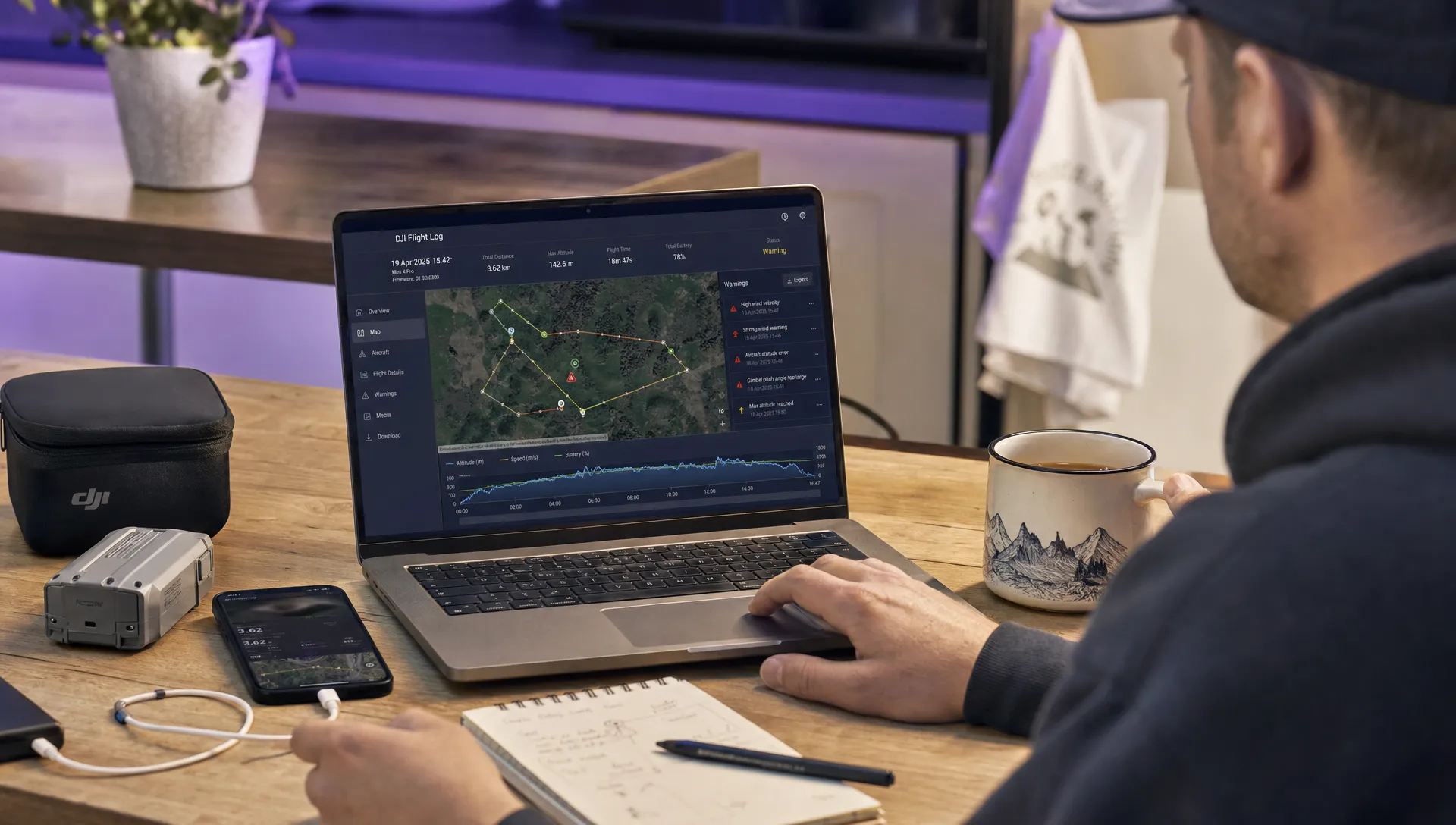 How to Review a DJI Flight Log After an Unexpected Event →
 Drone Laws Around the World: A Pre-Flight Research Framework →
 How to Compare Drone Survey Services for Complex Sites →
 How to Start a Drone Mapping Business With a Clear Workflow →
 Class C Airspace Drone Rules for Commercial Flights →
 How to Create a Drone Job Pack for Every Mission →
 FAA Small UAS Rule: Key Requirements for Operators →
 How to Build a Drone Pilot Flight Log That Is Audit Ready →
 FAA Drone Licence Requirements for Commercial Pilots →
 FAA BVLOS Waivers Granted: What Successful Cases Show →