
Drones as a Service - Why Smart Operations Management is Key to Scaling
If you want to successfully scale your Drones as a Service business, you've got to move away from clunky, manual processes and embrace a smart, central operations management system. This isn't just a nice-to-have upgrade; it's essential for staying afloat and actually growing in this competitive market. Get it right, and you can turn operational headaches into your biggest strength.
The Challenge of Scaling a Drone Service Business
The drone industry is absolutely booming, and for good reason. Companies in almost every sector are finally seeing the incredible value of aerial data, which has created a massive demand for professional drone services. But for any growing Drones as a Service (DaaS) company, this success brings a serious operational problem.
Think of your one-person operation like a tiny local airport with a single runway. Juggling a few flights a day is straightforward. But as your reputation builds, so does the air traffic. Before you know it, you've got more pilots, more complex jobs, and a tidal wave of data coming in. Your small airstrip is now trying to act like Heathrow, but you're still using the original, manual air traffic control methods.
This is the heart of the challenge when you try to scale a drone business. The very systems that worked perfectly for a handful of jobs quickly descend into chaos and become completely unsustainable.
The processes that got you off the ground—spreadsheets for scheduling, text messages to coordinate with pilots, and paper logbooks—soon become the very bottlenecks that stop you from growing any further. Every new client and pilot just adds another layer of complexity, ratcheting up the risk of mistakes, compliance breaches, and inconsistent service.
From Manual Chaos to Strategic Control
The market's rapid growth only makes this problem more urgent. In 2024 alone, the number of drone flights worldwide shot up by 25%, from 15.5 million to 19.5 million. On top of that, the total drone market is projected to hit a staggering $57.8 billion by 2030. This explosion means more competition, and the companies that will come out on top are the ones built on solid, scalable foundations.
To navigate this growth, you need a fundamental shift in how you think. It's time to stop just managing tasks and start orchestrating your entire operation. This means moving past the initial hurdles you jumped when you were first learning how to start a drone business and focusing on building a system that can handle way more volume without falling apart.
When you're wrestling with the complexities of scaling, it can be useful to look at resources from those who specialize in business growth. For some general wisdom on clearing these kinds of hurdles, you might find the Rebelgrowth homepage worth a visit. Ultimately, the aim is to transform your operations from a reactive, defensive chore into a proactive, strategic tool that actively boosts your efficiency and profit. Without that change, your business risks being grounded by its own success.
Manual vs Smart Drone Operations Management
It's one thing to talk about the problem, but seeing it laid out can really drive the point home. The difference between clinging to manual methods and adopting a smart management system is night and day when you're trying to grow.
Here's a breakdown of the daily grind versus a much smarter way of working:
| Operational Aspect | Manual Approach (The Scaling Barrier) | Smart Management Approach (The Scaling Enabler) |
|---|---|---|
| Project Management | Juggling spreadsheets, emails, and notes. Information is scattered, making it easy to miss details or deadlines. | All project data, from quotes to final reports, lives in one central place. Everyone on the team sees the same up-to-date info. |
| Team Coordination | Endless back-and-forth via text messages and phone calls. Scheduling conflicts and miscommunications are common. | A unified calendar shows pilot availability and assignments. Automated notifications keep everyone in the loop without constant check-ins. |
| Flight Planning & Risk | A time-consuming, manual process. Checking weather, airspace, and creating risk assessments for each job from scratch. | Automated pre-flight checks pull in real-time weather and airspace data. Risk assessment templates are standardised, saving hours. |
| Compliance & Logs | Manually filling out logbooks and tracking equipment maintenance. It's a pain to keep organised and easy to fall behind. | Flights, pilot hours, and maintenance are logged automatically. Compliance becomes a background process, not a daily chore. |
| Data & Reporting | Downloading, sorting, and sharing huge files is slow and inefficient. Clients wait, and your team wastes time on admin. | A central portal allows for easy upload and client access to data. Invoices and reports are generated with a few clicks. |
As you can see, the manual approach creates a ceiling for your business. It’s not just inefficient; it actively prevents growth by soaking up time and increasing risk. A smart management system, on the other hand, is built to handle volume, freeing you and your team to focus on high-value work and winning new clients.
What Is Smart Drone Operations Management

So, what exactly do we mean by "smart drone operations management"? It’s definitely not just another bit of software to clutter up your computer. A better way to think of it is as the central nervous system for your entire Drones as a Service business. It’s the digital hub that pulls every critical function together into one, unified dashboard.
When you're a one-person show, you can probably get by with spreadsheets and a few messaging apps. But the moment you try to grow, those basic tools start to hold you back, creating more problems than they solve. Smart operations management is the leap you take from that kind of disjointed, manual chaos to an intelligent, connected system. It gets all the moving parts of your business talking to each other so they work in harmony, not against each other.
This shift is a game-changer for any drone business with ambitions to scale. It takes you from just reacting to jobs as they come in to proactively orchestrating your whole operation with confidence.
The Core of Smart Management
At its heart, smart drone operations management is all about creating a single source of truth. Instead of having vital information scattered across emails, notepads, and a dozen different apps, everything lives in one place. This complete visibility gives you a level of control that can completely change how you run your business.
This central hub is built on a few key pillars that all work together:
- Centralized Mission Planning: Every single detail of a job—from the first client chat to the final data handover—is logged and managed in one spot. This gets rid of miscommunication and makes sure everyone is on the same page.
- Automated Team Coordination: Forget the endless text threads trying to find a pilot for a last-minute job. The system handles scheduling and job assignments automatically, knowing your team's qualifications and availability to make assignments in seconds.
- Built-in Compliance and Safety: The platform automatically checks for things like airspace restrictions and generates risk assessments from your own templates. A tedious, manual task becomes a simple, automated pre-flight check, keeping risk to a minimum.
- Integrated Data Management: All your data, from flight logs to client deliverables, flows through one system. This makes it a breeze to track flight hours, manage equipment maintenance, and give clients professional, timely reports.
The commercial drone services market is blowing up as more businesses realise they need smart fleet management to grow properly. In 2024, the global drone market hit a value of around USD 42.6 billion, and forecasts predict it will rocket to nearly USD 123 billion by 2032. Trying to ride that wave without the right tools is almost impossible. If you want to dig into the numbers, it's worth checking out some detailed drone market analysis reports.
From Disconnected Tasks to an Integrated Workflow
Think about a typical job without a smart system. A client calls. You type up a quote in a Word doc and email it over. Once they approve, you text your pilot to see if they're free. Then you have to manually check airspace maps, fill out a risk assessment on a separate form, and add the job to a shared calendar. After the flight, the pilot sends you the data, which you have to download, organise, and then upload to a file-sharing service for the client. Exhausting, right?
Now, let's replay that scenario with a smart operations management platform like Dronedesk.
A client request lands on your website and instantly creates a new job in the system. You generate a professional quote from a template and fire it off with one click. Once it's accepted, the system suggests the best pilot based on their location and qualifications. Pre-flight checks and risk assessments are automatically populated, and all the documents are attached to the job file. After the mission, the pilot uploads the data directly to a client portal, and an invoice is generated automatically.
This kind of integrated workflow doesn't just save a ton of time. It creates a professional, repeatable process that builds client trust and lets your business handle a much bigger workload without drowning in admin. This is the secret to making Drones as a Service a truly scalable business.
The Five Pillars of a Scalable Drone Operation
Scaling a Drones as a Service business isn't just about getting more clients or buying more drones. It's about building a solid operational backbone that won't buckle under the weight of more complex work. A smart operations management system provides this backbone by supporting five critical pillars. If you let any one of them weaken, you’ll create bottlenecks that bring your growth to a grinding halt. Master them all, and you build a business that's resilient, efficient, and ready to scale.
Think of it like trying to build a house on five separate, wobbly stilts. It might stand for a bit, but it’s fundamentally unstable and can't support any more weight. Smart operations management is the framework that connects those stilts, turning them into a single, solid foundation capable of supporting a much larger structure. Each pillar is a core part of your business, and tying them all together is the secret to sustainable growth.
This infographic shows what it looks like when technology, like a smart management platform, is integrated into a central operations hub.

You can see how a central system pulls together all the different data streams, creating a true command centre for your growing operations.
1. Unified Job and Client Management
The first pillar is about creating one single source of truth for every single project. Without it, you’re drowning in a chaotic mess of emails, text messages, and spreadsheets where critical details get lost. This chaos inevitably leads to missed deadlines, confused teams, and unhappy clients.
A unified system brings everything together, from the first client phone call and quote to project milestones and final deliverables. Everyone on the team, whether they’re in the office or out on site, sees the exact same up-to-date information. This completely gets rid of the "he said, she said" confusion and ensures your clients get a professional, seamless experience from start to finish.
2. Automated Compliance and Risk Assessment
Let's be honest: navigating the maze of aviation regulations is a massive headache for any drone operator. Manually checking airspace, weather, and local rules for every flight isn't just a time-sink; it’s a recipe for human error. One simple mistake can have serious legal and financial consequences.
This is where automation becomes an absolute game-changer. A smart operations management system should automatically:
- Analyze Airspace: Instantly flag restrictions, TFRs, and controlled airspace without you lifting a finger.
- Generate Risk Assessments: Use pre-built templates to create standardised, thorough risk assessments in minutes, not hours.
- Log Everything: Automatically record flight details, pilot hours, and maintenance records so you’re always ready for an audit.
By letting the software handle these tedious but vital tasks, you slash your risk and free up your team to focus on what they do best: flying missions, not drowning in paperwork.
A truly scalable Drones as a Service business doesn't just manage risk; it systemizes safety. Smart management platforms turn compliance from a reactive, manual chore into a proactive, automated process that runs quietly in the background of every operation.
3. Intelligent Fleet and Equipment Tracking
Your drones, batteries, and sensors are the lifeblood of your business. Knowing precisely where every piece of kit is, its maintenance status, and its availability is crucial. A single forgotten battery or an overdue firmware update can derail an entire day's work.
Intelligent fleet management is so much more than a simple spreadsheet. It gives you a real-time dashboard showing the health and status of your entire fleet. You can track maintenance schedules, assign specific gear to jobs, and be confident that every drone is ready for its next mission. This proactive approach prevents expensive downtime and makes sure you always deploy the right tools for the job.
4. Streamlined Pilot and Team Coordination
As your team grows, scheduling becomes a nightmare. Who’s qualified for this specific job? Who’s free on Tuesday? Who’s closest to the site? Trying to answer these questions manually with a large team is a logistical mess waiting to happen.
Smart management platforms solve this by putting all your team coordination in one place. You can see pilot availability, certifications, and locations at a glance. Allocating jobs becomes a simple drag-and-drop task, and automated notifications keep everyone in the loop. This ensures the best-qualified and best-positioned pilot gets assigned every time, which boosts efficiency and cuts down on travel time.
5. Integrated Data Delivery and Reporting
The final pillar is all about closing the loop—getting the data from the field back to the client and into your own business analytics. The job isn’t over when the drone lands. You still have to process potentially huge amounts of data, deliver it professionally, and then create reports and invoices.
An integrated system creates a smooth data pipeline. Pilots can upload data directly from the field, often straight into a client-facing portal. From there, the system can automate the creation of polished reports, flight logs, and invoices. This not only gets deliverables to your clients faster but also gives you invaluable business intelligence, helping you track profitability and see how well your operations are really performing.
Solving the Pain Points of a Growing Drone Business
Every growing drone business hits a wall. It’s a classic Catch-22. The very success that brings in more clients and projects also creates predictable, frustrating roadblocks that can grind your growth to a halt.
The good news is that these pain points aren't unique to you; they're the standard growing pains of the industry. The even better news is that a smart operations management platform is the direct answer to each one, turning operational friction into a smooth, scalable process. For any Drones as a Service business looking to really thrive, making this shift is non-negotiable.
Let's break down these common headaches and see how an integrated system provides the cure.
The Regulatory Nightmare and Compliance Chaos
Problem: Your team is sinking hours into manually checking airspace, weather, and local restrictions for every single job. Trying to keep track of pilot licenses, flight logs, and equipment maintenance feels like a full-time job in itself. The constant fear of a compliance slip-up is always lurking in the background.
Solution: Imagine having automated intelligence that instantly flags risks and confirms compliance. A smart platform does just that. It plugs into real-time airspace data from providers like AirMap or Altitude Angel, automatically checking for hazards. It also centralizes all your critical records—from pilot certifications to detailed flight logs—making sure you’re always audit-ready with just a few clicks.
Smart operations management transforms compliance from a relentless, manual chore into a proactive, automated safety net. It just works quietly in the background, safeguarding every mission so you can focus on the flight, not the paperwork.
Inefficient Flight Scheduling and Team Coordination
Problem: Scheduling pilots is a chaotic mess of phone calls, texts, and shared calendars that are never quite in sync. You’re never 100% sure who is available, who has the right qualifications for a specific task, or who is closest to the job site. The result? Delays and inefficient assignments.
Solution: A centralized, intelligent scheduling system gives you a complete, at-a-glance overview of your team. From a single dashboard, you can see every pilot's availability, qualifications, and even their proximity to a new job. Assigning work becomes a simple drag-and-drop, and automated notifications keep everyone on the same page, effortlessly.
Overwhelming Data Management and Delivery
Problem: Drones produce a staggering amount of data. Your team wastes precious time downloading, sorting, and uploading massive files. Getting the final deliverables over to clients is a slow, clunky process, often involving a patchwork of third-party file-sharing services that looks unprofessional and causes delays.
Solution: An integrated client portal and data workflow changes the game. Pilots can upload mission data directly from the field into a secure, branded portal. Clients get instant access to their deliverables, and the system can even trigger automated invoices. It creates a seamless, professional experience from the moment the data is captured to the final payment.
This is all happening as technology continues to push the industry forward. The global drone market is projected to hit USD 163.60 billion by 2030, driven by better batteries, AI-powered flight systems, and incredible new sensors. This boom just underscores the need for intelligent operations to manage the growing complexity. You can take a closer look at the drone market's projected growth and see the trends for yourself.
Inconsistent Service Quality and Reporting
Problem: When different pilots use slightly different methods, the quality of your service becomes unpredictable. Reports look different, risk assessments vary, and the client experience is all over the place. This lack of standardization makes it incredibly difficult to maintain a high-quality brand reputation as you grow.
Solution: Standardized templates and automated reporting are the answer. A smart platform ensures every client interaction follows a consistent, professional process from start to finish.
- Standardized Quotes: Generate professional, consistent quotes and proposals every single time.
- Repeatable Risk Assessments: Use pre-built templates to make sure every pre-flight check is thorough and uniform.
- Automated Logbooks: Ensure every flight, from every pilot, is logged in the same detailed, compliant format.
This level of consistency is the bedrock of effective drone fleet management, guaranteeing that every pilot and piece of equipment in your business adheres to the same high standards. By solving these core pain points, smart operations management gives you the solid framework you need to overcome the hurdles of growth, letting your Drones as a Service business scale with confidence.
Seeing the Real-World Impact of Smart Operations
Theory is one thing, but seeing how it all plays out in the real world is another entirely. To really get a feel for the power of smart drone operations, let's walk through the story of a fictional Drones as a Service (DaaS) company we’ll call “AeroScale Solutions.” Their journey from chaos to control is a perfect example of what's possible.
AeroScale kicked off just like many drone businesses do: one talented pilot, a top-notch drone, and a client list that grew steadily through word-of-mouth. For the first year, everything was ticking along nicely. But then they hired two more pilots, and their project load doubled. Suddenly, the cracks started to appear. The owner was drowning in admin, trying to coordinate schedules with endless text messages and cobbling together quotes in Word. Growth wasn't the focus anymore; just keeping their head above water was.
The breaking point arrived when a big-ticket inspection job was almost fumbled because of a simple scheduling error. The team was stretched to its limit, compliance paperwork was a constant headache, and profits were being eaten away by the sheer weight of managing it all manually.
The Switch to Smart Management
Realising their old-school methods were throttling the business, AeroScale's founder decided to bring in a proper drone operations management platform. The mission was clear: get everything under one roof to reclaim control and build a solid foundation for growth. They needed one system to handle the entire DaaS workflow, from the first client call to the final invoice.
This wasn't just about plugging in new software. It was a complete shift in how they thought about their business. Instead of juggling a dozen separate tasks, they started to see their operations as a single, connected process.
"Before, our business felt like a dozen different spreadsheets and text message groups all screaming for attention. Now, it’s one clear picture. We went from constantly reacting to fires to proactively managing our growth." - Fictional Quote, Founder of AeroScale Solutions
Tallying Up the ROI
The results for AeroScale Solutions weren't just noticeable; they were game-changing. Within six months of making the switch, the numbers told an impressive story. They weren't just working harder; they were working smarter, and you could see it on the bottom line.
The impact hit three crucial parts of the business:
- Administrative Time-Saving: By automating things like quoting, pre-flight airspace checks, and pilot scheduling, AeroScale slashed their admin time by over 50%. This freed up the owner and pilots to concentrate on what really moves the needle—client relationships and winning new work.
- Operational Muscle: With streamlined workflows and much better team coordination, they could take on more jobs without adding more people. In fact, AeroScale managed to triple their monthly project capacity with the same three-pilot team, which sent revenue and profitability soaring.
- Compliance and Safety: The platform’s automated flight logging and standard risk assessments gave them a near-perfect compliance record. This didn't just cut down their risk; it became a huge selling point, cementing their reputation as a professional and reliable Drones as a Service provider.
AeroScale's story is a brilliant, practical example of why smart operations management is the secret to scaling a drone business. By leaving the manual chaos behind, they built a resilient, efficient, and seriously profitable company poised for whatever came next.
Your Blueprint for Smart Operations Management
Making the switch to a smart operations management system is probably the single most powerful move you can make to scale your Drones as a Service business. This is all about getting out of a reactive, firefighting mode and into a proactive, strategic one. It's not some massive, multi-year project, either—it's something you can genuinely start today.
Think of this change as a direct investment in your company’s future. It's what builds the strong operational backbone you need to handle more work without letting quality or safety slide.
An Actionable Four-Step Roadmap
Ready to make the leap? Here’s a straightforward, step-by-step guide to bringing a smart management platform like Dronedesk into your business.
-
Audit Your Current Workflows: You can't fix a problem until you know exactly what it is. Take a day and trace every single step in your process, from the first client call to the final invoice. Where are the real time-sinks? Is it putting together quotes, juggling schedules, or getting all the compliance paperwork in order? Be honest and pinpoint those bottlenecks.
-
Pick the Right Platform: Let's be clear: not all management systems are built the same. A solo pilot has vastly different needs than a team of ten. You need a platform that actually solves the problems you just identified in your audit. Make a list of your biggest pain points and prioritize platforms that offer clear solutions for them.
-
Implement with a Plan: Don't try to boil the ocean and change everything at once. You'll just get overwhelmed. Start with your biggest headache. If scheduling is a nightmare, get your team calendar and automated job assignments sorted first. These small, gradual wins build momentum and make the whole process feel much more manageable.
-
Train Your Team for Success: A tool is only ever as good as the person using it. Make sure your team doesn't just know how to click the buttons, but why you're making this change. When they understand the bigger picture, they'll be empowered to use the platform to its full potential, turning a software subscription into a real operational advantage. You can even explore how to get more done with smarter drone management with AI and automation.
The takeaway here is simple but powerful: adopting smart operations management means your business is no longer limited by its processes but is instead enabled by them. It’s the key to unlocking scalable, profitable, and sustainable growth in a competitive market.
By following this blueprint, you're systematically trading operational chaos for streamlined efficiency. This frees you up to spend less time buried in admin and more time on what actually grows your business—delivering fantastic service to your clients.
Got Questions About Drone Operations Management?
Switching to a smart management system is a big step for any drone operator. It's totally normal to have a few questions before you dive in. After all, this is about the core of your business. Let's tackle some of the most common ones we hear from pilots and DaaS companies.
How Does a Platform Keep Up With All the Different Regulations?
This is a huge one, especially if you're flying across different counties, states, or even countries. A proper smart operations platform doesn't just give you a static rulebook. Instead, it plugs directly into live airspace data providers.
What does that mean for you? When you plan a mission, the system automatically fetches the specific rules, advisories, and any temporary flight restrictions (TFRs) for that exact spot. It flags potential issues right away, turning what used to be a headache of manual research into a simple, automated pre-flight check. This is absolutely essential for staying compliant as your business grows and you start taking jobs in new areas.
What’s the Learning Curve Like for My Team?
Bringing in any new tool can feel daunting, but modern platforms are built by people who understand that pilots want to be flying, not stuck in front of a computer. The learning curve is usually a lot smoother than you'd think, especially when you compare it to juggling a mess of separate apps and spreadsheets.
Most teams get the hang of the core stuff—like creating jobs, scheduling pilots, and auto-logging flights—in just a few days.
The real secret is to roll it out in phases. Don't try to become an expert on every single feature overnight. Start with the one that solves your biggest headache right now. That builds confidence and shows the value immediately, making everyone on the team eager to use it more.
Can a Solo Pilot Really Benefit From This?
Absolutely. While a management platform is a game-changer for scaling teams, it's just as powerful for the solo operator. When you're a one-person show, your time is your most precious asset. A good platform hands you back hours by automating the admin grind.
Just think about it:
- Automated Quoting and Invoicing: No more spending your evenings hunched over paperwork.
- Centralized Project Files: Every client email, flight plan, and data file is in one tidy place. No more frantic searching.
- Effortless Compliance: Every flight is logged and documented perfectly, without you having to lift a finger.
For a solo pilot, this isn't just about convenience. It’s what frees you up to take on more clients and actually grow your business.
How Secure Is My Data on a Third-Party Platform?
Data security is non-negotiable, especially when you're handling sensitive client info from infrastructure inspections or land surveys. Any reputable management platform is built with security at its very foundation. They use industry-standard practices like end-to-end encryption, both for data that's being transferred and data that's stored.
Beyond that, professional systems run on secure cloud infrastructure and give you granular, role-based access controls. This means you decide exactly who gets to see what. Always check a platform's security credentials, but rest assured that professional-grade systems are designed to be fortresses for your—and your clients'—valuable data.
Ready to stop wrestling with spreadsheets and turn your drone operations into a well-oiled machine? Dronedesk gives you the complete end-to-end solution to nail compliance, crank up your efficiency, and scale your business without the growing pains. Start your free trial today and see for yourself.
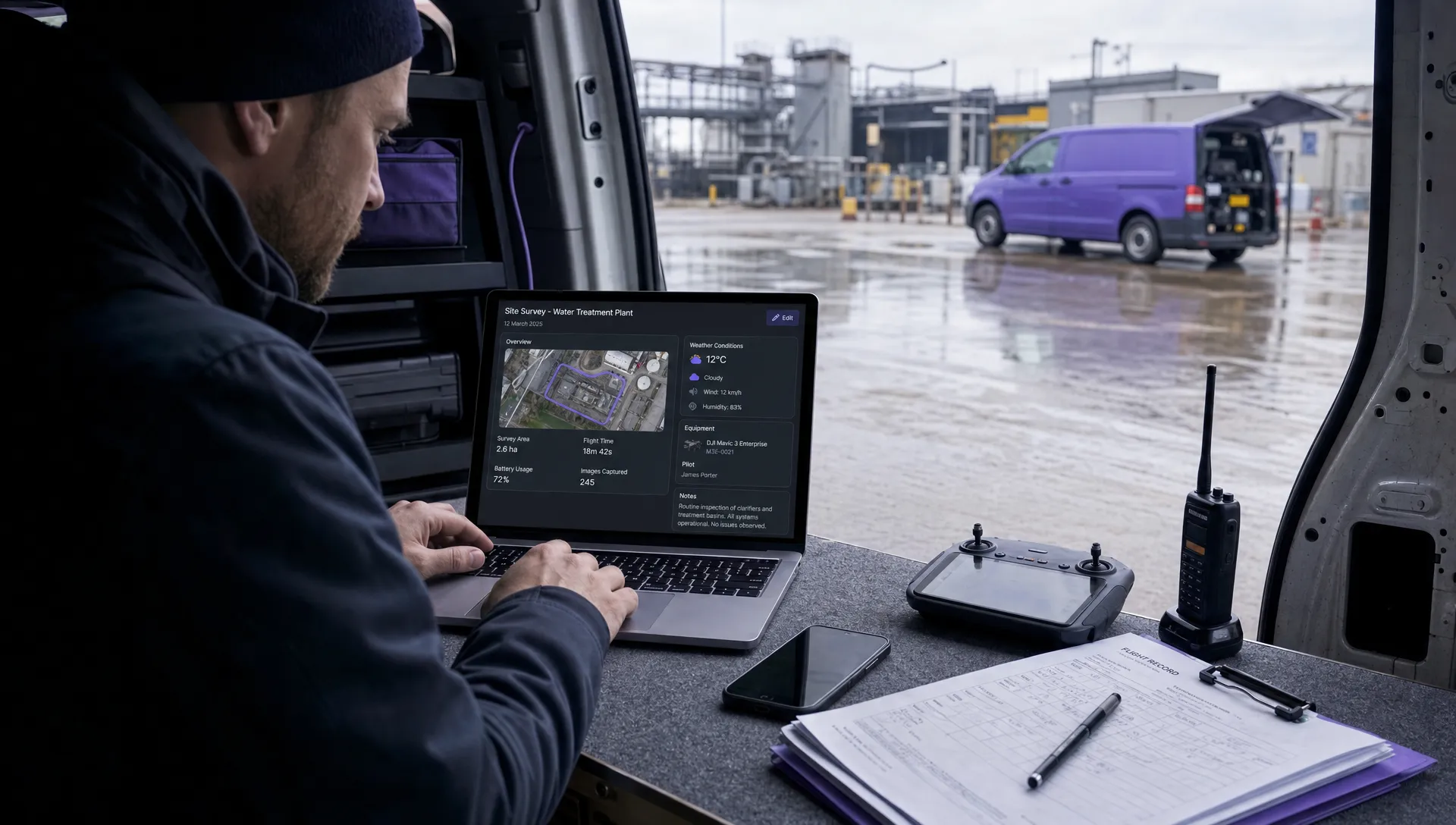 Drone Airspace Rules: How to Document Your Site Checks →
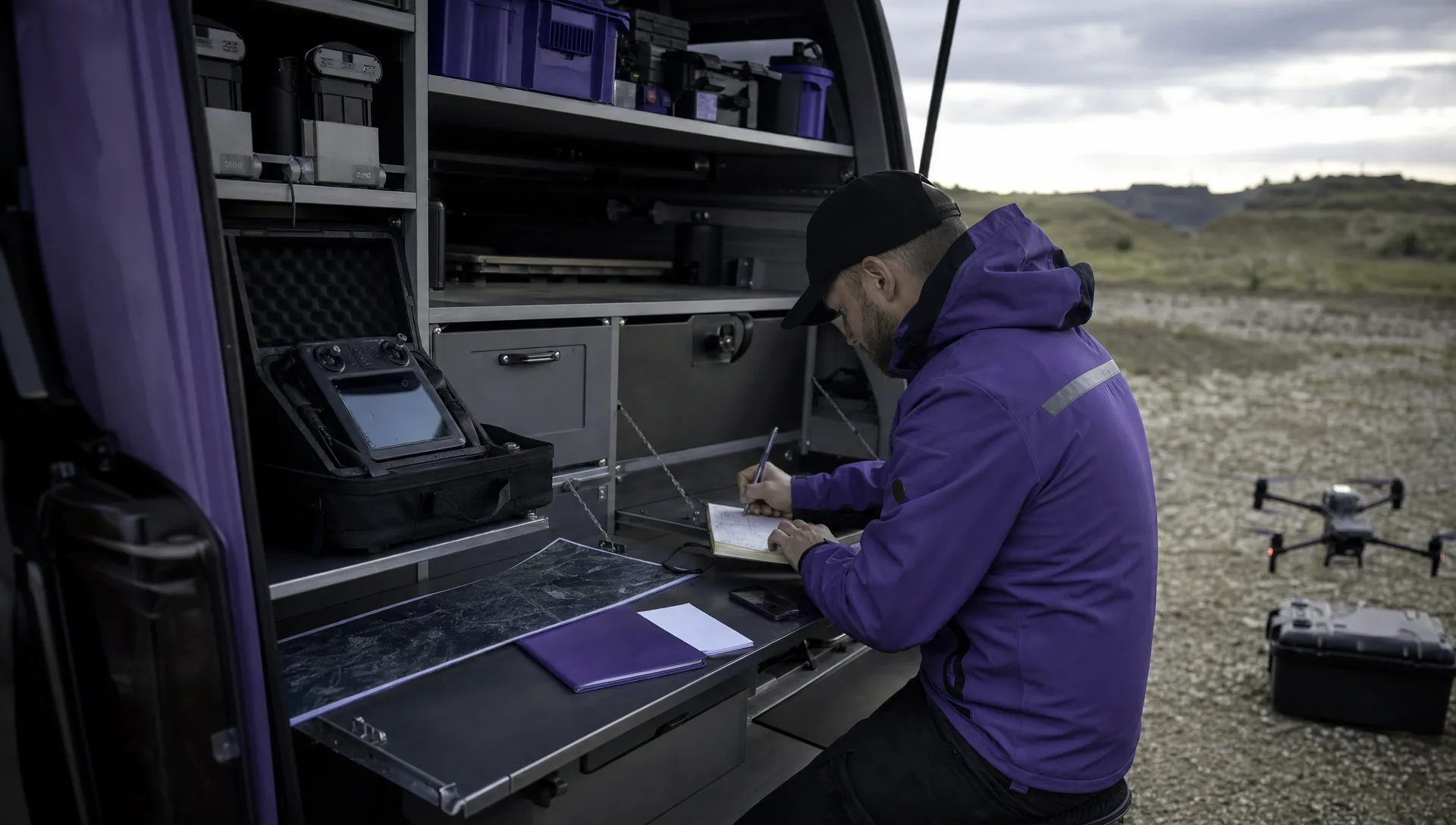 How to Evaluate a Free Drone Logbook Before Using It →
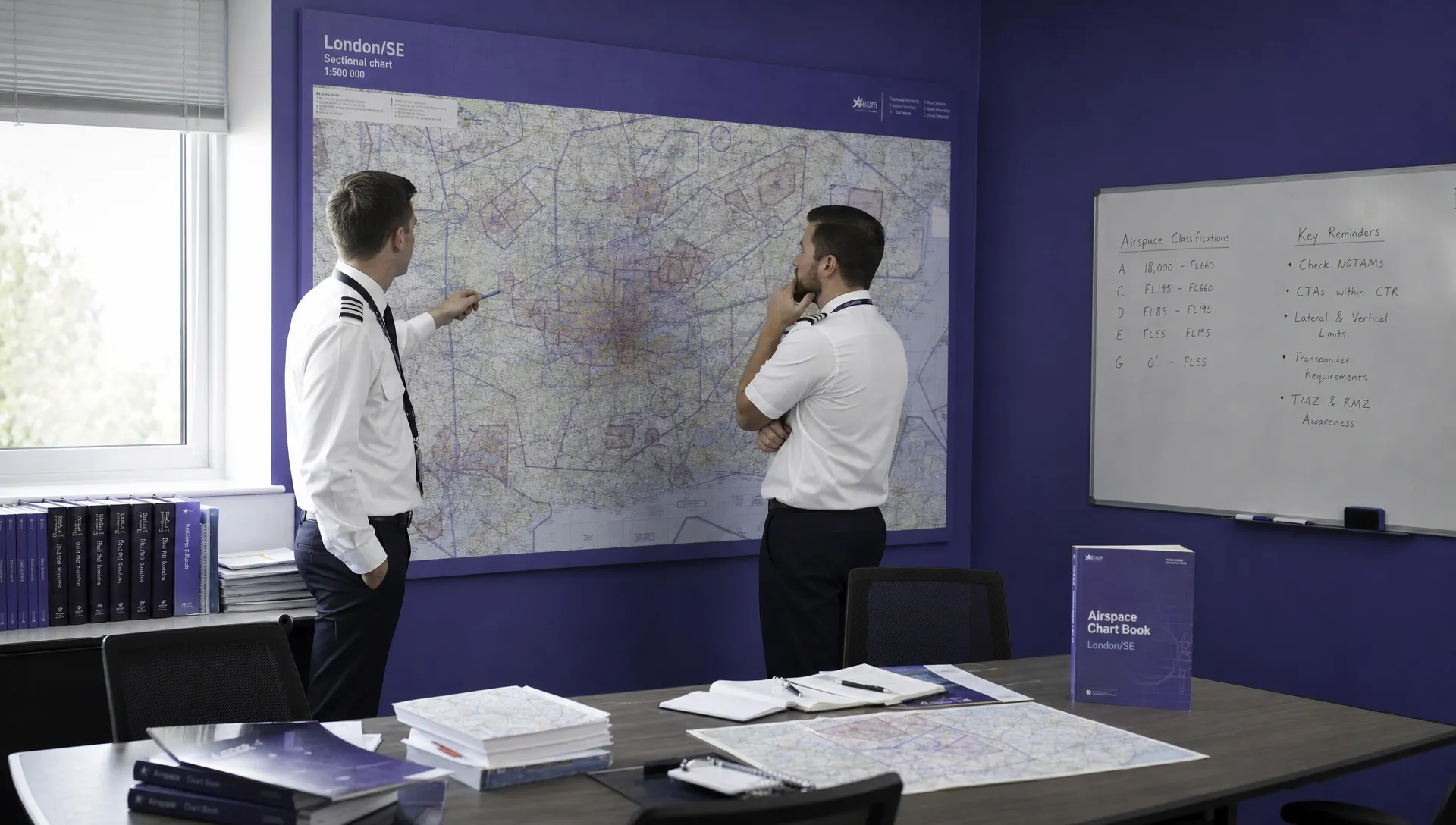 FAA Part 107 Test: How to Master Airspace Questions →
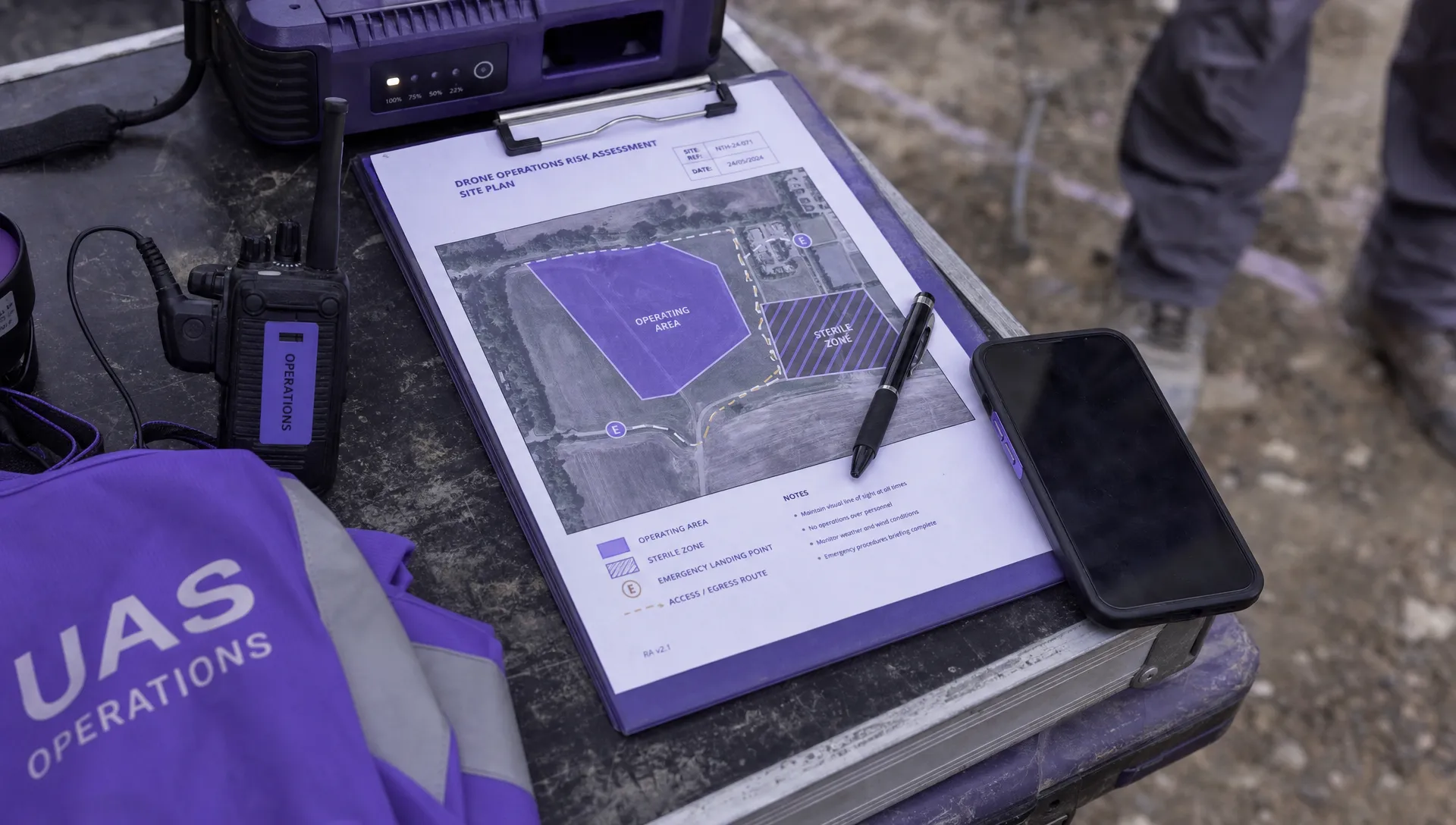 Drone Risk Assessment Controls That Work in the Field →
 FAA Drone License Costs Beyond the Knowledge Test →
 Drone Part 107 Operations: When a Waiver May Be Needed →
 Drone Operating Rules for Managing Contractors and Employees →
 BVLOS Drone Requirements for Building a Safety Case →
 Drone Pilot Test Mistakes That Cost Candidates Marks →
 FAA 107 License vs Part 107 Certificate: What’s the Difference? →