
A Guide to the Aviation Safety Reporting System
Imagine a massive, shared library of hard-won lessons for the entire aviation world, where every single pilot, air traffic controller, and mechanic can add their experiences without fear. That's the heart of an aviation safety reporting system (ASRS). It’s not about pointing fingers; it’s a proactive safety net built to spot systemic risks before they turn into accidents.
Unpacking The Aviation Safety Reporting System
The Aviation Safety Reporting System, better known as ASRS, is a true cornerstone of modern aviation safety. It’s a confidential and completely voluntary program that gives anyone in the industry a channel to report safety problems and concerns without any fear of reprisal. This is absolutely critical because it builds a foundation of trust, encouraging people to share information that might otherwise stay buried.
Think of it as a neighborhood watch for the skies. But instead of reporting crimes, aviation professionals report potential hazards, procedural weak spots, or even their own mistakes.
Each individual report is like a single piece of a giant puzzle. By itself, it might not seem like much. But when you collect and analyze thousands of these pieces, a much bigger, clearer picture of emerging risks across the entire National Airspace System starts to take shape.
From Report To Resolution
The real magic of the ASRS happens after a report is filed. The whole program is managed by NASA, a neutral third party, which adds a crucial layer of credibility and guarantees confidentiality.
Here’s how it works:
- De-identification: First, NASA's experts meticulously strip out all personal and company details from every report. This guarantees total anonymity for the person who submitted it, protecting their identity and their career.
- Analysis and Alerting: Next, trained safety analysts dig into the anonymized data, hunting for trends and patterns. If they spot a significant hazard, NASA can issue alerts directly to the Federal Aviation Administration (FAA) and other key players in the industry.
- Systemic Improvements: The insights pulled from these reports are then used to fine-tune procedures, update training programs, and even improve technology. A single report, when combined with others, can spark changes that prevent countless future incidents.
The core idea behind the Aviation Safety Reporting System is to learn from mistakes as a collective. It pulls the focus away from individual blame and shines a light on improving the system itself, creating a powerful cycle of learning that makes flying safer for all of us.
The official ASRS website, run by NASA, is the main hub for submitting reports and finding safety information.

This portal gives pilots, controllers, and other staff a direct, confidential way to share what they’ve seen. The site is designed to be as simple and straightforward as possible to encourage more reporting.
A Legacy Of Proactive Safety
Kicked off back in 1976 through a unique partnership between NASA and the FAA, the ASRS has been a game-changer for U.S. aviation safety for more than four decades. As a voluntary and confidential system, it collects incident reports from a huge range of aviation pros, including pilots, air traffic controllers, and maintenance techs. You can dig into more details about this longstanding safety partnership over at Aerossurance.com.
This collaborative model has been so successful that it's become a blueprint for safety reporting not just in aviation, but in other high-stakes industries all over the world.
How Confidentiality Builds a Culture of Trust

Trust is the fuel that powers any successful aviation safety reporting system. Simple as that. Without it, the whole thing grinds to a halt.
Think about it. A pilot spots a minor, recurring glitch on a display. An air traffic controller notices a potential blind spot in their airspace coverage. In a culture of fear, these critical observations would almost certainly go unreported. Why? It's just human nature.
When you've spent years building your career, you’re not going to be eager to report a small mistake if you think it could lead to disciplinary action, or worse, losing your license. This fear of reprisal creates a dangerous silence, and valuable safety data gets buried.
This is exactly the problem the Aviation Safety Reporting System (ASRS) was built to solve. Its promise of confidentiality isn't just a nice-to-have feature; it's the bedrock of the entire system. It creates a safe harbour for honesty.
The Power of a Non-Punitive Policy
This guarantee of protection is what gets people talking. The key to its success is a non-punitive approach, where reporters are granted immunity for incidents that don't result in an accident.
This single promise has been a game-changer, encouraging the submission of over 1.3 million reports since the program began. This flood of data has allowed for the early identification of system failures and human errors – factors that play a role in the vast majority of aviation accidents. You can read more about how this approach has shaped aviation safety at Aerossurance.com.
By removing the threat of punishment for honest mistakes, the ASRS flips the script from blame to learning. It sends a clear message to everyone in the industry: we value your insights more than we care about finding fault. That shift is what builds a proactive safety culture where people feel empowered to speak up.
From a Single Report to System-Wide Change
Let's walk through a real-world example of how this actually works.
Imagine a corporate pilot—we'll call her Sarah—flying into a busy regional airport. She notices that the wording in a newly published approach procedure is a bit ambiguous, forcing a last-second clarification with air traffic control. It wasn't a major incident, just a moment of confusion.
In a punitive system, Sarah might just shrug it off. "I figured it out, no harm done." She might worry that reporting it could somehow reflect poorly on her or her company.
But because she trusts the ASRS, she spends ten minutes that evening submitting a confidential report. She details the specific wording that caused her confusion. Immediately, her name, airline, and any other identifying details are stripped away by NASA's analysts. Her report becomes just one anonymous data point.
This is the multiplier effect of a trusted reporting system. One person's small observation, when seen as a piece of a larger puzzle, can prevent a future catastrophe. It transforms individual experiences into collective wisdom.
A few weeks later, two other pilots and an air traffic controller submit separate, confidential reports about the exact same ambiguity at that same airport.
On their own, each report is just a minor observation. But when NASA's analysts see four similar reports flagging the same procedural language, a clear pattern emerges. They now have solid evidence of a systemic risk.
NASA can then issue a safety alert to the FAA, recommending a clarification. The FAA reviews the data, agrees, and publishes a revision to the procedure.
Because Sarah was willing to share one small concern, a subtle but dangerous trap has been removed from the system. It’s a change that could easily prevent a future incident where a less experienced crew might not handle the confusion so smoothly. This is how small, honest reports, protected by confidentiality, create massive ripples of positive change across the entire industry.
The Journey of a Safety Report
Submitting a report to an aviation safety reporting system can feel a bit like sending a message in a bottle. You carefully detail an event, send it off into the ether, and hope it makes a difference. So, what actually happens on the other side? The journey from a raw report to genuinely useful safety intelligence is a careful, multi-stage process, all designed to protect your anonymity and squeeze every last drop of value out of the information.
Think of it like a massive clinical trial for the entire aviation ecosystem. A single patient's data is important, sure, but its real power comes when you combine it with thousands of other anonymized data points. This allows researchers to spot patterns, identify risk factors, and develop better treatments—or in our world, better procedures.
The process is built to transform individual observations into collective wisdom. It deliberately shifts the focus away from the "who" and onto the "what" and "why" behind safety events. It’s a system designed for learning, not for pointing fingers.
The infographic below lays out the core stages of this transformation, showing how a report gets from initial submission to final analysis.

This flow highlights the system's two main priorities: first, rigorously protecting the reporter's identity through de-identification, and second, systematically analysing the clean data to make flying safer for everyone.
Stage 1: The De-Identification Process
The moment a report lands, its most critical journey begins: the path to complete anonymity. This isn't an automated process; it's handled by highly trained NASA safety experts who act as impartial guardians of the data.
Their primary job is to meticulously scrub the report of any and all identifying information. This is way more than just deleting a name. It’s a thorough deep clean that involves:
- Personal Details: The reporter's name, employee number, and any contact info are the first things to go.
- Organizational Identifiers: The airline, company name, or specific air traffic control facility involved is completely redacted.
- Specific Locations: Vague or overly specific location details that could be used to trace back to an individual are made more general.
- Unique Timestamps: Exact dates and times are often adjusted slightly to prevent anyone from identifying a specific flight or shift through pattern recognition.
Once this sanitisation is complete, the original report is sent back to the submitter as proof of receipt. At this point, all identifying records at NASA are destroyed. What’s left behind is a completely sterile, anonymous account of a safety event.
Stage 2: Categorization and Analysis
Now that anonymity is locked in, the de-identified report joins the vast ASRS database, which holds over 1.3 million similar accounts. This is where the real analytical work kicks off.
Analysts sort and categorize each report based on dozens of factors, like the type of aircraft, the phase of flight, and the nature of the event itself. Creating this structured data allows them to run queries and search for emerging trends that would otherwise be completely invisible.
For instance, analysts might spot a small but growing number of reports mentioning confusion with a new piece of avionics, but from pilots across different aircraft types and airlines. This is a huge signal of a potential design or usability problem—a latent risk hiding in plain sight.
The whole goal is to connect the dots between seemingly unrelated incidents. By finding these patterns, safety experts can pinpoint systemic weaknesses before they lead to a serious accident. This proactive approach is where the aviation safety reporting system really proves its worth.
Stage 3: Generating Actionable Intelligence
The final stage is all about turning these patterns into tangible safety improvements. When analysts identify a significant trend, they compile their findings into detailed safety alerts and research reports.
These alerts are then shared with the right people and organizations who can actually do something about it, such as:
- The Federal Aviation Administration (FAA): This informs potential changes to regulations, air traffic procedures, or training standards.
- Aircraft Manufacturers: They get alerts to highlight potential design flaws or areas for improvement in aircraft systems.
- Airlines and Operators: This provides them with insights they can use to refine their own internal safety procedures and training programmes.
This journey—from a single confidential submission to a system-wide safety enhancement—is exactly how the aviation safety reporting system creates a culture of learning. It ensures that every single voice, no matter how small, has the power to make the entire industry safer.
The Global Impact of Collaborative Safety Reporting
The core ideas behind the Aviation Safety Reporting System (ASRS)—confidentiality, non-punitive reporting, and collaborative learning—were simply too powerful to stay within one country's borders. Just as aircraft cross international lines without a second thought, the lessons learned from safety reporting need to be shared to build a truly resilient global aviation network. A hazard spotted in one country can absolutely prevent an incident thousands of miles away.
This spirit of collaboration has turned the ASRS model into a global benchmark for proactive safety management. Its principles have sparked the creation of similar confidential reporting programs all over the world, with each one contributing to the incredible safety record of modern air travel.
A Worldwide Network of Safety
The success of the U.S. ASRS kicked off a global movement. Aviation authorities everywhere saw the immense value in a system that encourages honest reporting by taking away the fear of blame. This has led to a global web of interconnected safety programs.
Today, these systems are a critical part of the ongoing effort to slash accident and incident rates. In fact, more than 13 countries now operate ASRS-like confidential reporting programs, coordinated through the International Confidential Aviation Safety Systems (ICASS) group. This network is celebrated for fostering a proactive safety culture through voluntary, anonymous reporting. You can learn more about how NASA’s model has influenced global aviation safety for over four decades.
This international cooperation means that critical safety trends are no longer stuck in one country. Data and insights can be shared, letting the entire global community learn from a much bigger pool of experiences. This is especially vital for international carriers and pilots who fly across different regulatory environments.
The widespread adoption of confidential reporting proves a simple but powerful truth: building trust is the most effective way to improve safety and performance, no matter the geography or culture.
Lessons Learned Beyond the Cockpit
The influence of the ASRS framework doesn't stop at the runway. Its success has provided a compelling blueprint for other high-stakes industries where a simple human error can have catastrophic results. Fields that once relied on punitive measures are now embracing the ASRS philosophy of learning from mistakes.
Several sectors have adapted this model to fit their own unique challenges:
- Healthcare: Medical professionals use similar confidential systems to report patient safety events, medication errors, and procedural near-misses without the fear of litigation, which helps improve hospital protocols and save lives.
- Nuclear Power: Plant operators and technicians can report potential safety breaches or equipment malfunctions through confidential channels, allowing for proactive maintenance and risk mitigation.
- Maritime Operations: Shipping and logistics companies have rolled out systems for crews to report navigational errors or safety concerns, improving vessel safety on the high seas.
Each of these adaptations highlights a core principle: people are the best sensors in any complex system. When you give them a safe and trusted way to share what they see, the entire operation becomes safer and more reliable. This shared knowledge strengthens not just aviation but any industry that values getting ahead of risk. For those interested in how these principles link up with FAA regulations, check out our guide on the relationship between NASA reports and the FAA.
Adapting Safety Reporting for Drone Operations
As drones become a common sight in our skies, the tried-and-true principles of aviation safety reporting are more critical than ever. Drones might not carry passengers, but the risk of an incident involving property, infrastructure, or even a crewed aircraft is very real. The core idea of learning from every single flight—especially the near-misses—translates perfectly to the world of commercial drone operations.
Of course, you can't just copy and paste the manned aviation model. It needs a rethink, focusing on the unique risks that come with flying UAS. A 747 captain worries about engine failure or cabin pressure; a drone pilot faces an entirely different set of challenges that need their own reporting focus.
Unique Risks in Drone Operations
The world looks very different from the ground. A drone's operational environment is nothing like that of a commercial airliner, with the pilot on the ground and a whole different list of things that can go wrong. A truly effective reporting system for drones has to be built to capture data on these specific issues.
Here are a few of the big ones:
- Signal Interference: In busy urban areas, losing your command and control link or video feed because of radio frequency (RF) interference is a constant worry.
- Battery Management: A drone's battery isn't like a simple fuel gauge. Performance can suddenly plummet due to temperature, age, or a bad cell, leading to an unexpected loss of power.
- GPS and Navigation Errors: Drones lean heavily on satellite navigation. This can get shaky in "urban canyons," during solar flares, or simply from equipment glitches.
- Low-Altitude Airspace Conflicts: Drones operate below 400 feet, an airspace they share with helicopters, crop dusters, and other low-flying aircraft. The potential for a near-miss is high.
Getting pilots to report a severe signal drop or a battery that drained way too fast—even if nothing bad happened—is how you gather the data to prevent a real incident down the line.
Building an Internal Reporting Culture
For a drone team, setting up an internal safety reporting system doesn't have to be a massive, complicated undertaking. The goal is simple: make reporting easy, accessible, and completely non-punitive. When a pilot feels safe reporting a "close call" without fearing blame, you've built a culture that's actively managing its risk.
The real shift is moving from, "Did anything bad happen?" to "Could something bad have happened?" This proactive mindset is the bedrock of a strong safety culture. It lets teams find and fix weaknesses before they cause an actual accident.
Creating this culture starts with small, practical steps. Think easy-to-use digital forms that a pilot can fill out on a phone right after landing. This removes all the friction. These forms should ask for drone-specific details like weather on-site, battery voltage readings, and any signal strength issues. The key is making it so painless that it becomes a natural part of the post-flight routine.
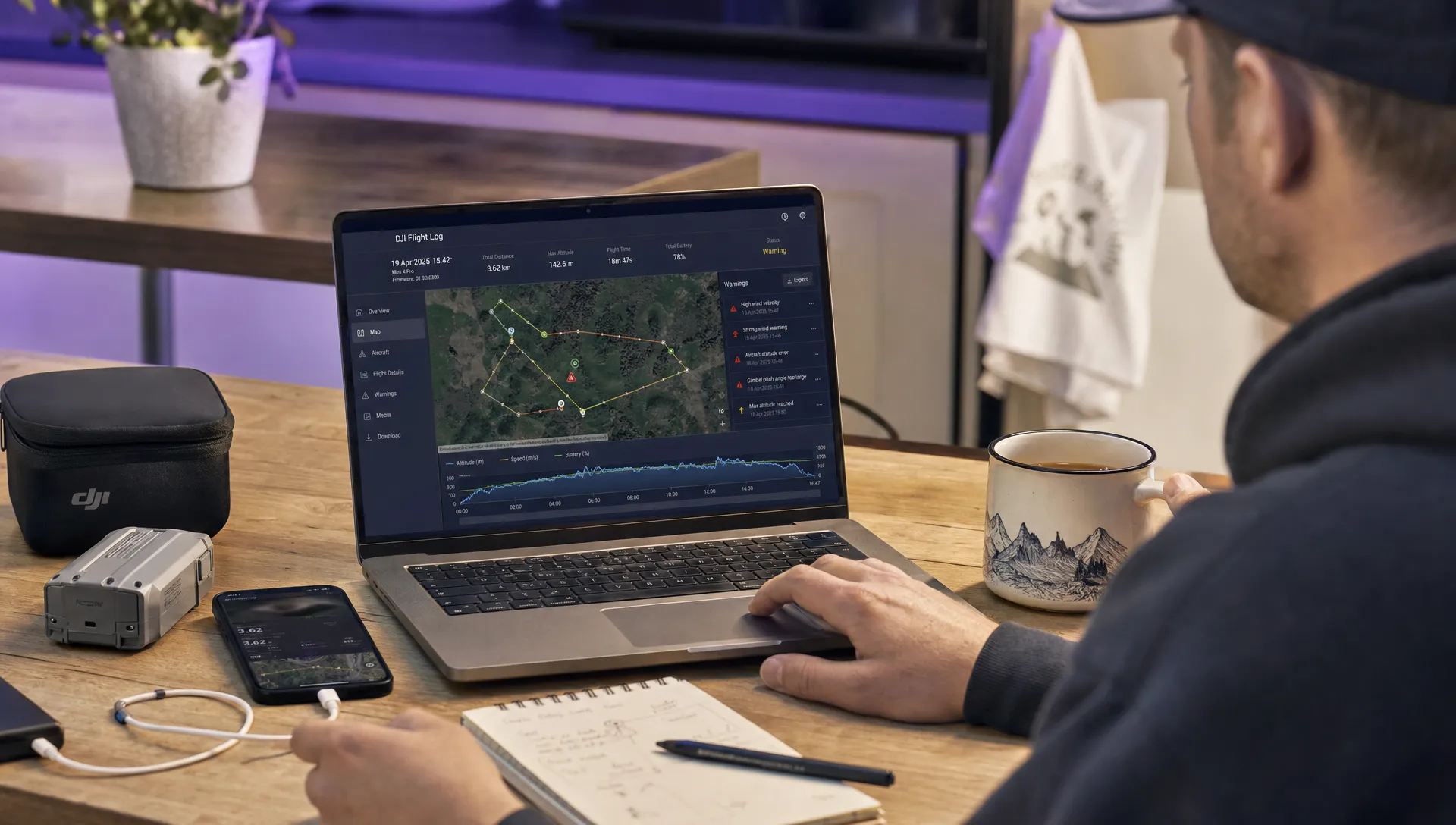
By logging these seemingly minor events, a safety manager can start connecting the dots. Maybe several pilots report signal dropouts in the same part of town. That could lead to a new rule against flying in that specific area. Suddenly, individual experiences are transformed into collective, actionable intelligence that makes the whole operation safer. To see how this works in practice, you can learn more about how automated flight logging and reporting can save drone teams hours every week and bolster their safety protocols.
Using Technology to Streamline Safety Reporting

Let's be honest, manual safety reporting is a bit of a nightmare. Trying to piece together a coherent safety picture from scattered paper forms, endless email chains, and clunky spreadsheets is like navigating in the dark. Important details get missed, trends are invisible, and the whole process feels more like a chore than a vital safety function.
Thankfully, modern software platforms are completely changing the game. They're making the entire aviation safety reporting system smarter, faster, and far more effective.
These tools pull your team out of the paperwork swamp and into the world of real-time safety data. By embedding digital checklists, automated flight logs, and incident forms right into a pilot's existing workflow, the barrier to reporting all but disappears. Instead of putting it off until they're back at a desk, a pilot can flag a hazard on their tablet, right there on site.
The Digital Advantage in Safety Management
The real magic of using a dedicated platform is centralization. Suddenly, every piece of safety data—from the initial risk assessment to the final post-flight report—is in one organized place. This creates a single, reliable source of truth for safety managers, allowing them to connect the dots in ways that are impossible with a jumble of disconnected files.
Just think about these benefits:
- Immediate Accessibility: Pilots can submit reports from any phone or tablet, anytime. This encourages them to log issues while the details are still fresh in their minds.
- Structured Data: Digital forms make sure all the critical information is captured every single time. No more incomplete or illegible reports.
- Automated Workflows: A submitted report can instantly ping the safety manager's inbox, kicking off the review and follow-up process without any delay.
This shift turns safety reporting from a reactive, box-ticking exercise into a proactive, everyday habit. And when you bring in more advanced tools, like an AI document management system, the efficiency gains in processing and analyzing this information are even greater.
Manual vs. Software-Assisted Safety Reporting
Comparing the old way of doing things with a modern software approach really highlights the difference. It's not just a small improvement; it's a fundamental change in how safety is managed.
| Aspect | Manual Reporting Process | Software-Assisted Workflow |
|---|---|---|
| Data Collection | Relies on paper forms, emails, or spreadsheets filled out post-flight. | Real-time data entry via mobile apps during any phase of the operation. |
| Accessibility | Limited to physical documents or siloed digital files, often inaccessible in the field. | Centralized cloud platform accessible from any device, anywhere. |
| Consistency | Prone to incomplete, inconsistent, or illegible entries. | Standardized digital forms ensure all required fields are completed. |
| Response Time | Delays are common due to manual submission, delivery, and review cycles. | Automated notifications trigger an immediate review and response process. |
| Data Analysis | Requires tedious manual compilation to spot trends, making it difficult and slow. | Built-in analytics tools instantly visualize trends, patterns, and hotspots. |
| Integration | Disconnected from other operational data like flight logs or asset records. | Reports are automatically linked to specific flights, pilots, and equipment. |
The takeaway is clear: software doesn't just digitize the old process—it creates a completely new, more powerful one.
Moving from Paper to Platform
When data is collected digitally from the start, it's not just stored—it's primed for analysis. A good platform can automatically link a hazard report to the specific flight, the drone used, and the location it occurred, giving investigators a rich, contextual picture of what happened. For an even deeper dive into this, our guide on flight data monitoring shows just how much of a game-changer automated data collection can be.
By making it incredibly simple for operators to contribute to the safety program, technology empowers a culture where every team member is an active participant in risk management. It transforms reporting from a chore into a seamless part of professional operations.
This integration of technology builds a powerful feedback loop. Safety managers get instant visibility into what's happening in the field, empowering them to make smarter decisions and roll out corrective actions faster. The end result is a more resilient and constantly improving aviation safety reporting system that actively protects your people, your equipment, and the public.
Common Questions About Aviation Safety Reporting
Even once you get the hang of it, the idea of an aviation safety reporting system can feel a bit daunting. Who can actually submit a report? What kind of incidents are even worth flagging? Let's clear these things up, because building confidence in the system is the only way to get everyone on board.
At its heart, the system is built to be as open as possible. It's not just a club for pilots. Anyone involved in the National Airspace System who sees something that doesn’t look right is encouraged to send in a report.
This wide-open approach is completely intentional. To get a true 360-degree view of safety, you need eyes and ears from every corner of an operation.
Who Is Encouraged to Submit Reports?
Honestly, the door is wide open. The whole point is to capture insights from all the different professionals who interact with the airspace. It's a long list, but it includes people like:
- Pilots (from commercial airliners to private planes)
- Air Traffic Controllers
- Flight Attendants
- Maintenance Technicians
- Dispatchers
- Drone Operators
Every one of these roles offers a unique perspective. What might seem like a small issue to one person can be the final piece of the puzzle when you put it together with other reports. The system's strength comes from this mix of experiences.
What Types of Incidents Should Be Reported?
There’s a common myth that you should only file a report after something serious happens. But in reality, the gold is often in the near-misses and the small hiccups—those "close calls" that act as early warnings for bigger, systemic problems.
You should think about reporting any situation that you felt compromised safety. Things like:
- Confusing or unclear procedures in manuals or on charts.
- Breakdowns in communication with air traffic control.
- The aircraft not behaving as expected or an equipment glitch.
- Close calls with other aircraft, vehicles on the ground, or obstacles.
- Concerns about fatigue or scheduling pressures affecting how people perform.
The rule of thumb is simple: if you saw something that made you think, "That could have gone badly," it's worth reporting. These minor incidents are the data points that prevent major accidents.
In the U.S., the ASRS pulls in data from over 185 sources across both government and industry. It's a huge part of why commercial aviation has such an incredible safety record. This data-first mindset helps spot risks long before they have a chance to turn into accidents. You can read more about NASA's four decades of leadership in safety reporting to see the full picture.
The benefit of taking part is pretty straightforward. Each confidential report adds another piece to the puzzle, beefing up the collective knowledge of the entire aviation community. Your anonymous observation could be the very thing that prevents the next incident.
Ready to bring this level of safety to your own operations? Dronedesk gives you the tools to build a proactive safety culture, from intuitive flight planning and risk assessments to a central spot for incident reporting. Find out how our platform can make your drone operations safer and more efficient at https://dronedesk.io.
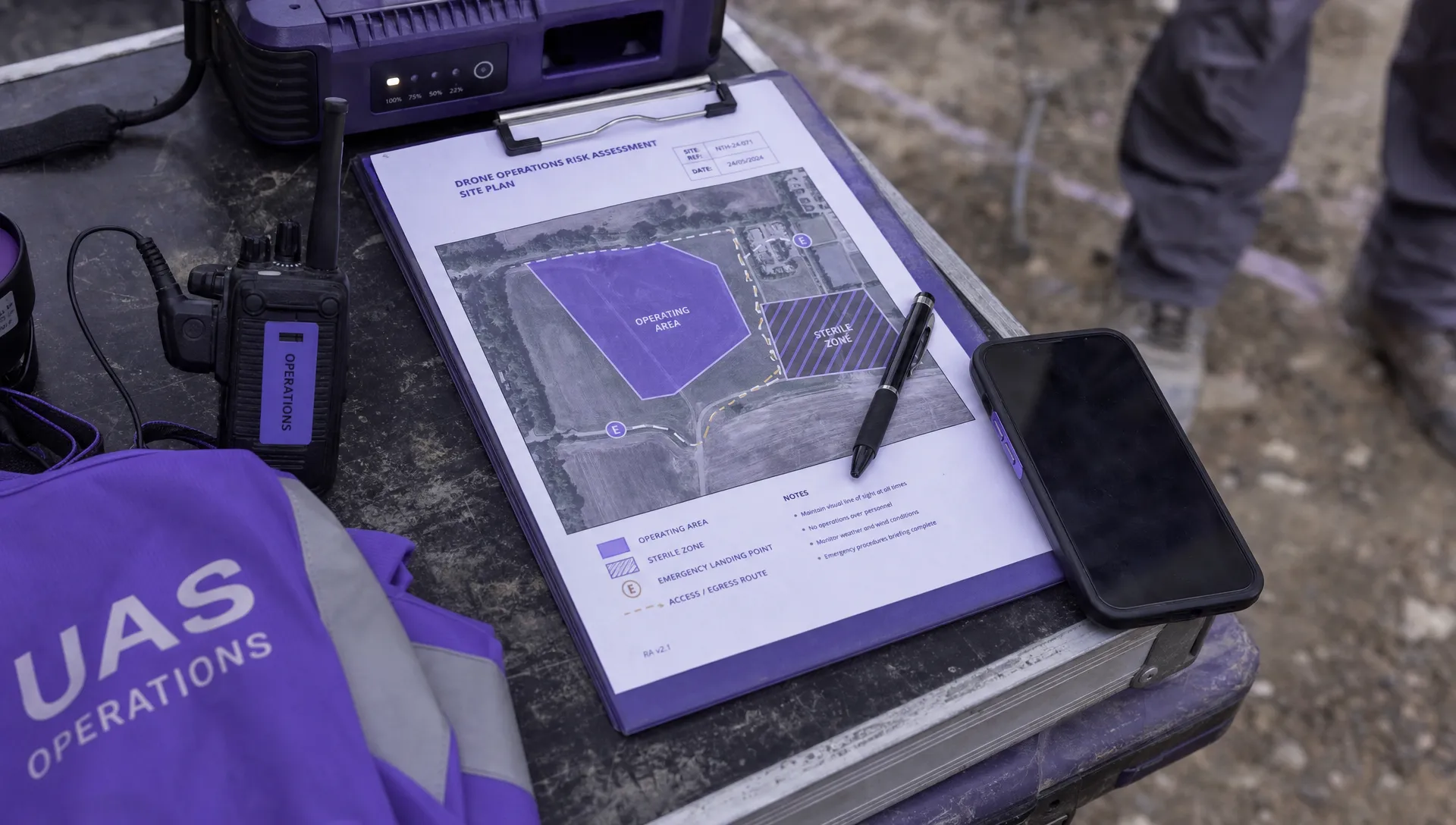 Drone Risk Assessment Controls That Work in the Field →
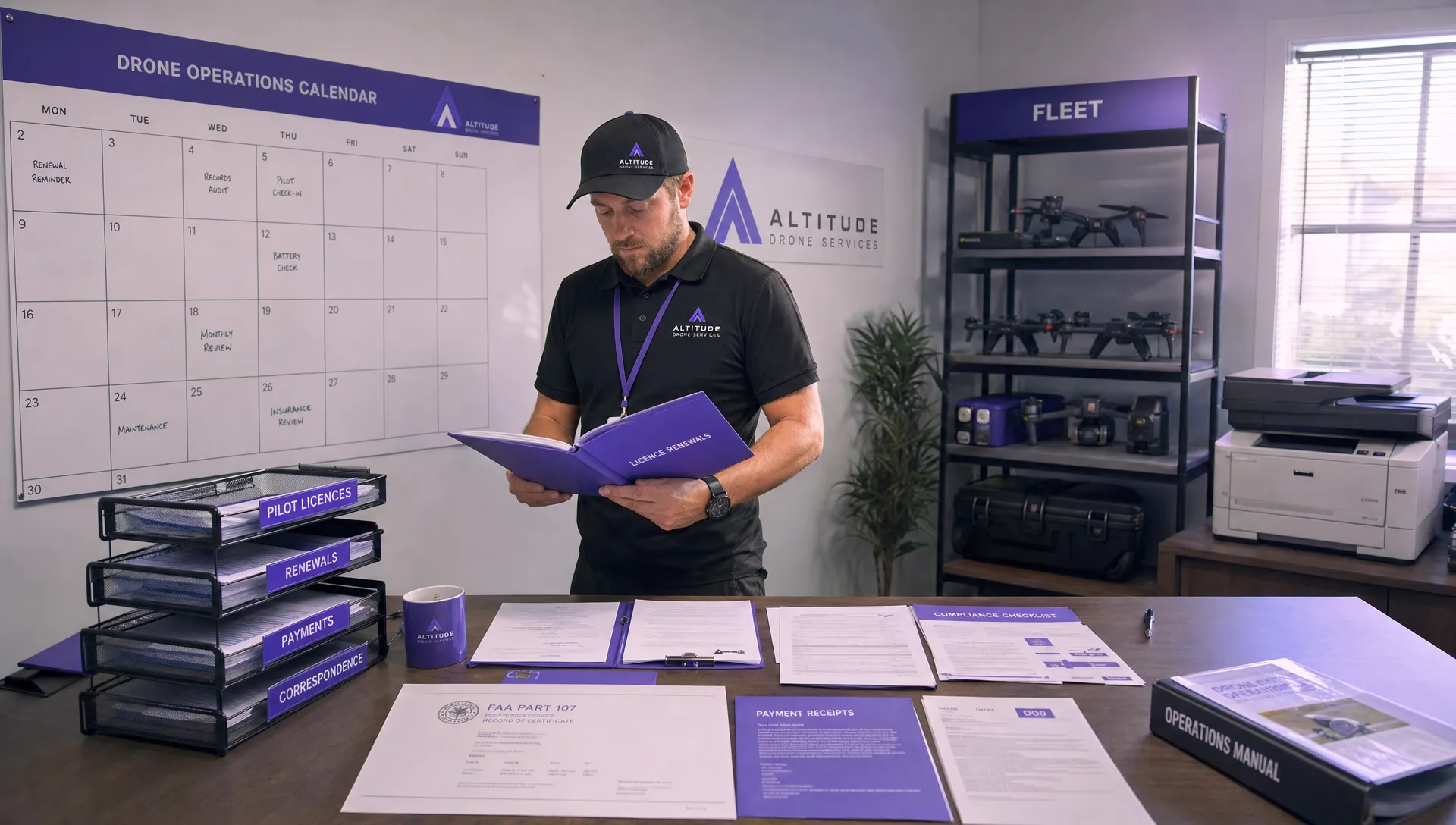 FAA Drone License Costs Beyond the Knowledge Test →
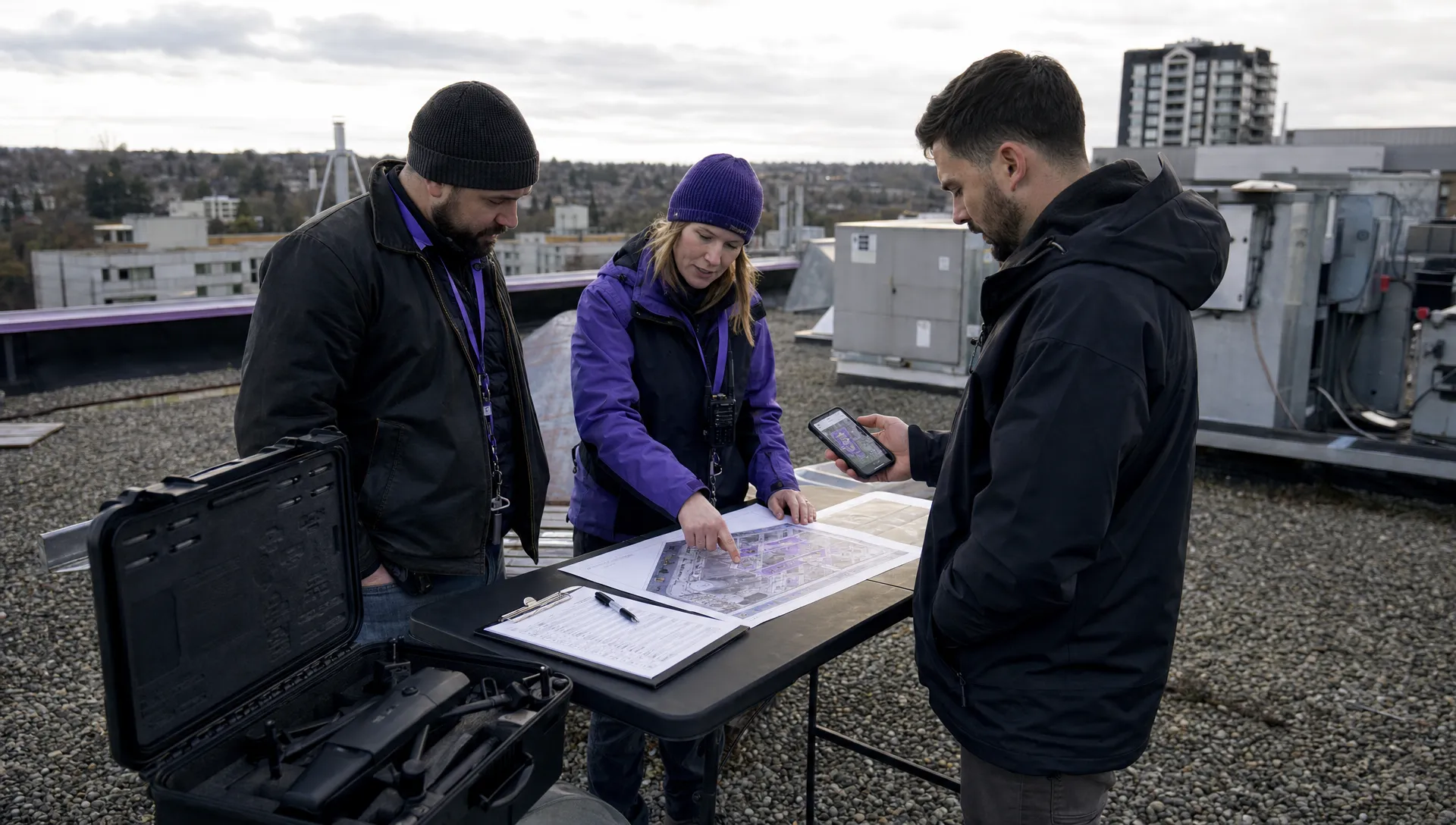 Drone Part 107 Operations: When a Waiver May Be Needed →
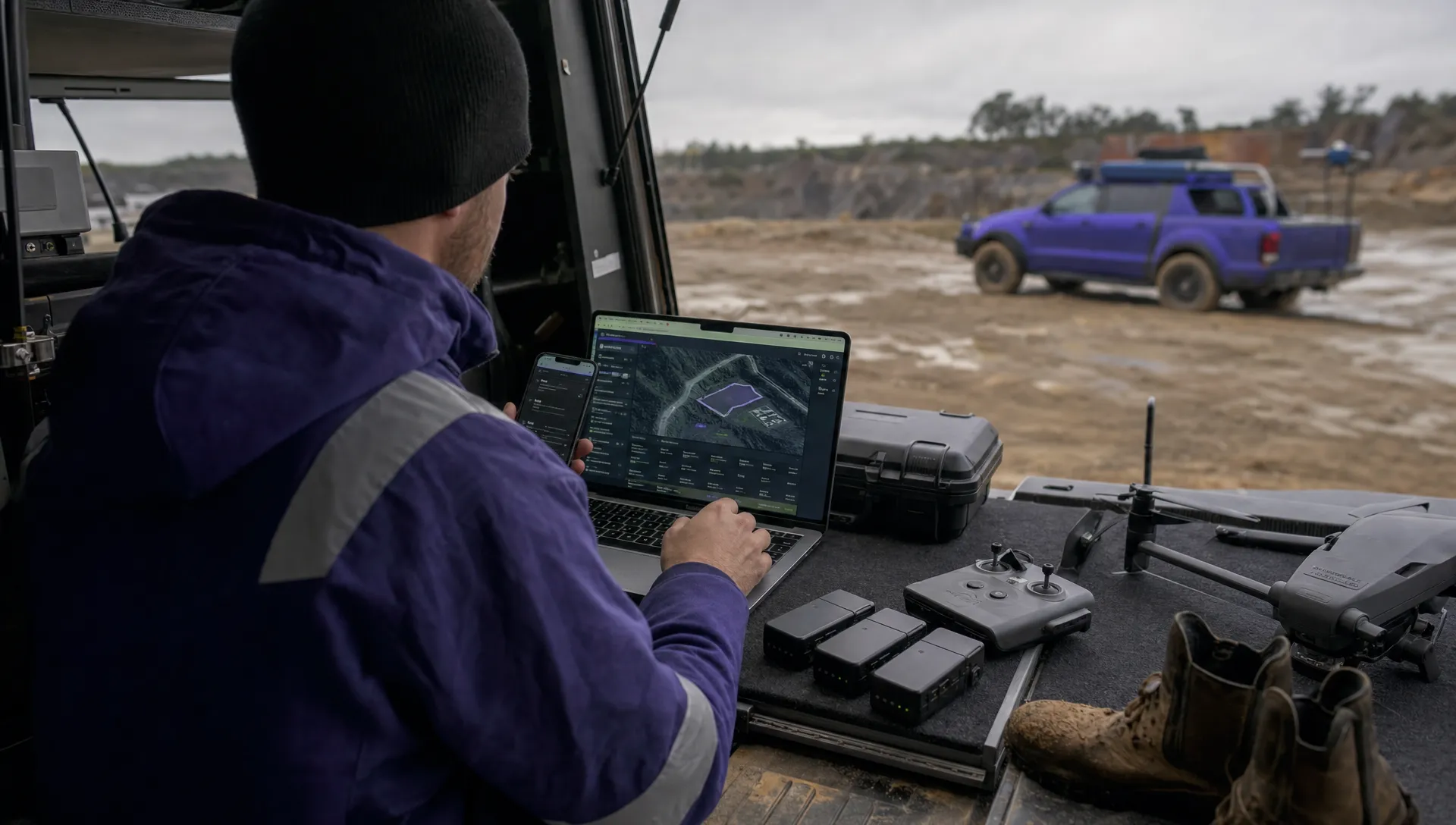 Drone Operating Rules for Managing Contractors and Employees →
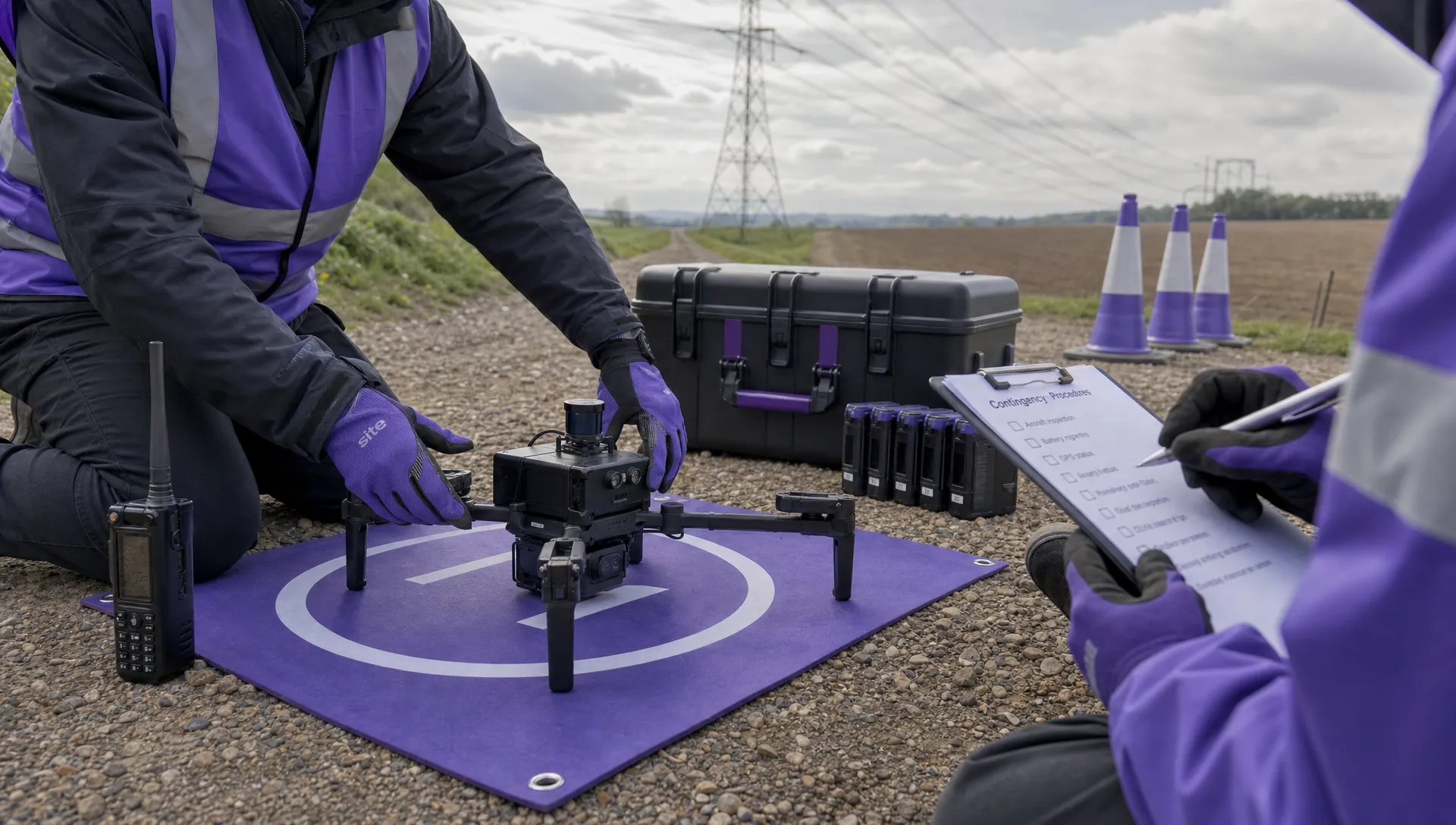 BVLOS Drone Requirements for Building a Safety Case →
 Drone Pilot Test Mistakes That Cost Candidates Marks →
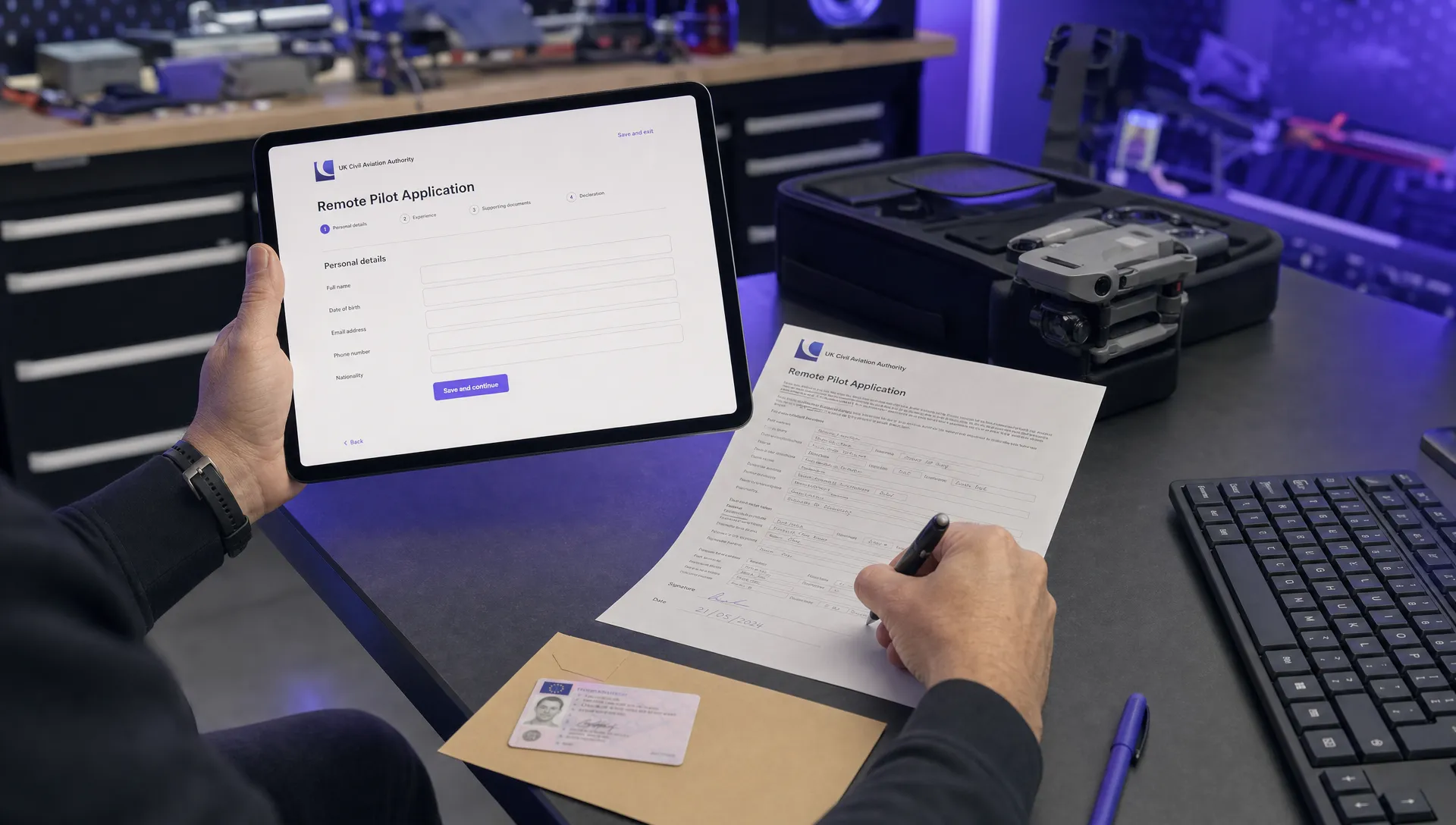 FAA 107 License vs Part 107 Certificate: What’s the Difference? →
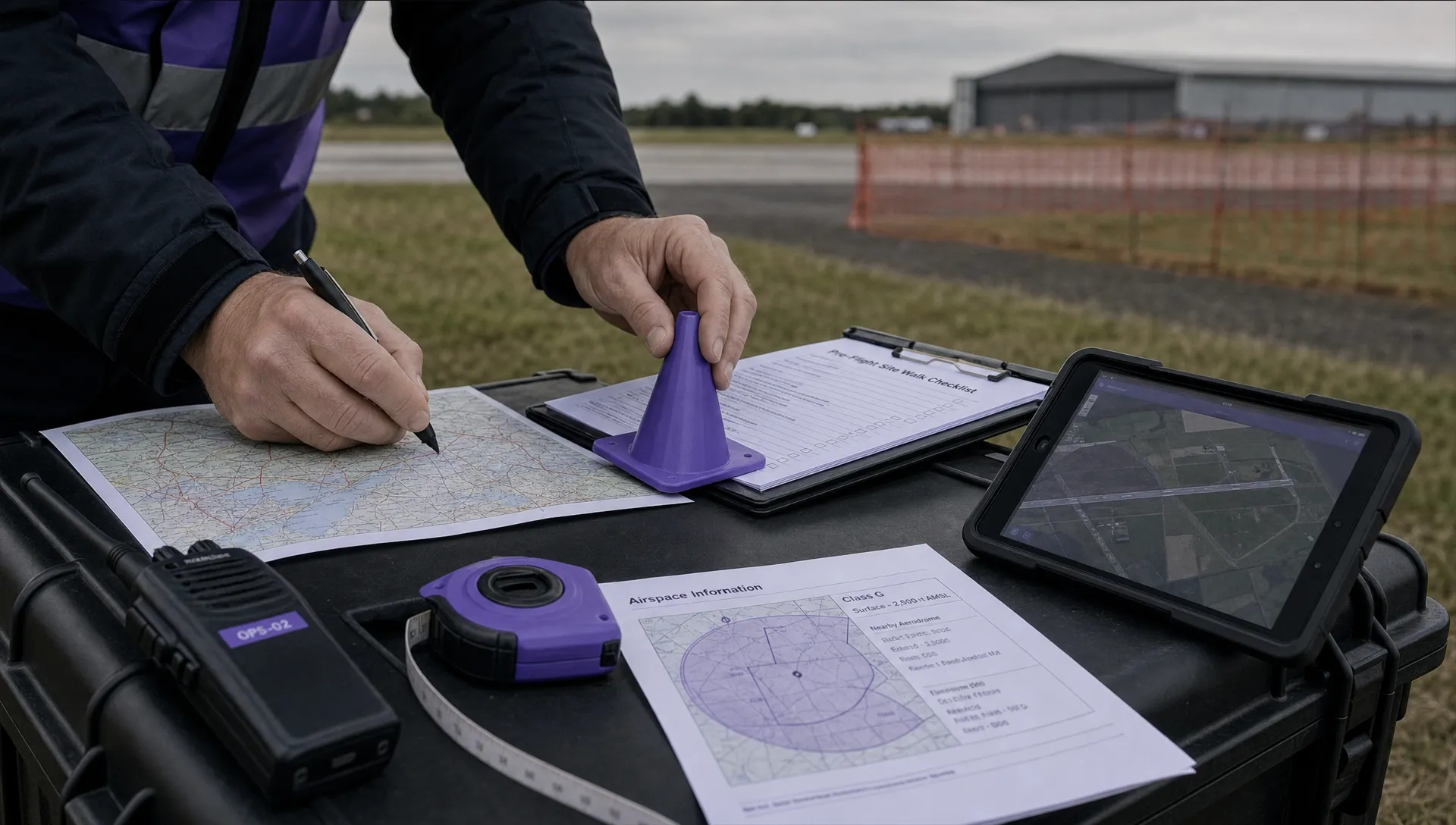 Drone Airport Rules: A Field Checklist for Site Assessments →
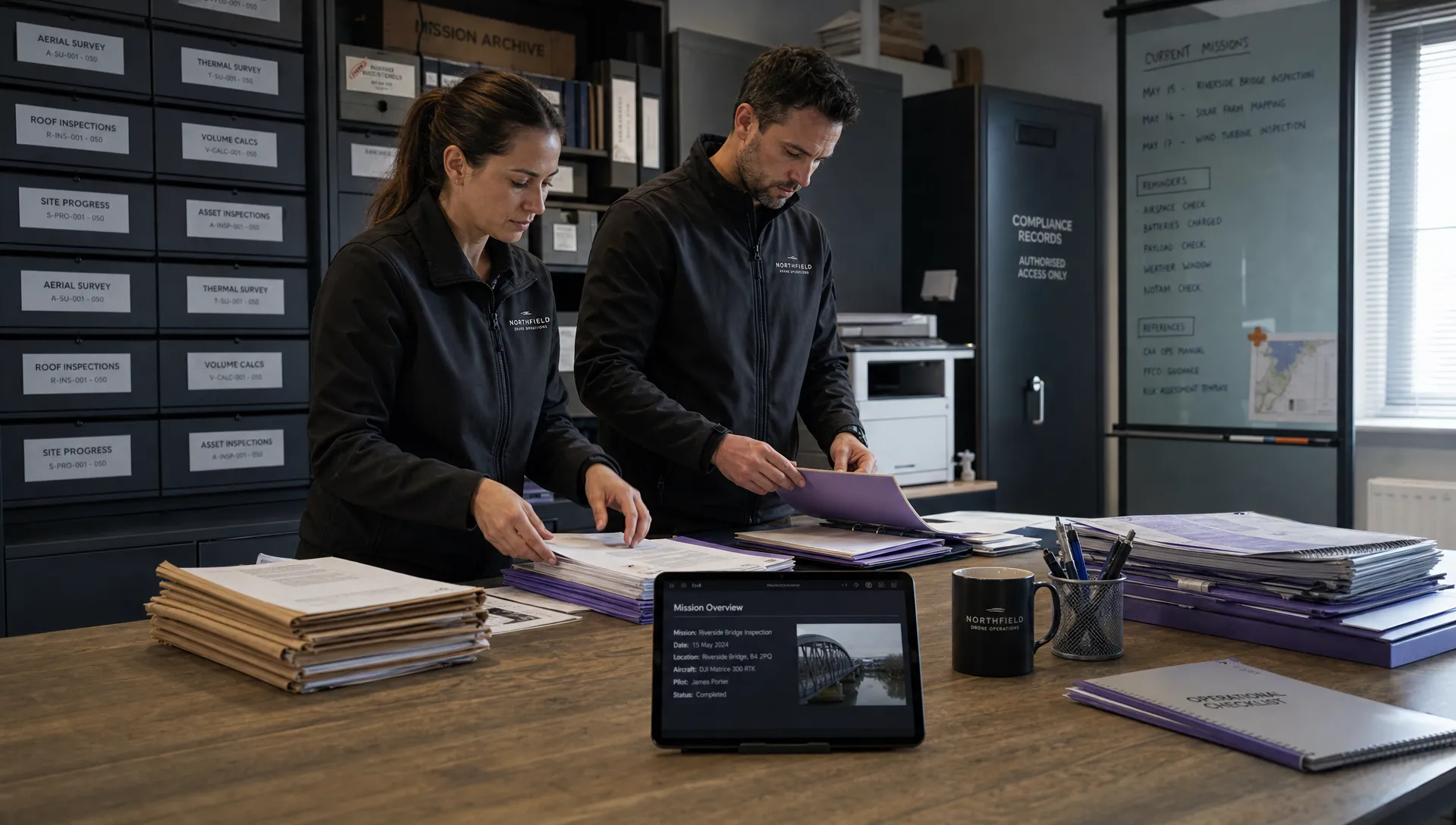 FAA Part 107 Record-Keeping Rules for Commercial Teams →
 How to Review a DJI Flight Log After an Unexpected Event →